Nostalgic Arabic Fonts: Reviving the Beauty of the Past


Journeying Back to Memories with Nostalgic Arabic Fonts
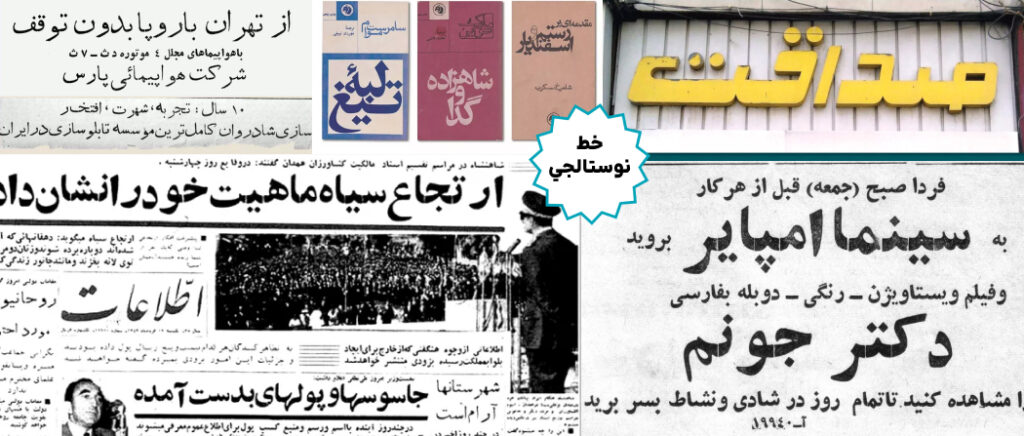
Nostalgic Arabic fonts are a window into the past and our collective memories. Inspired by old printed letterforms, book covers, Arabic calligraphy, and even urban signage, these typefaces create a bridge between the visual identity of the past and the functional needs of today.
In the following, we will explore the sources that have inspired designers in creating nostalgic Arabic fonts.
Reimagining Book Cover Designs
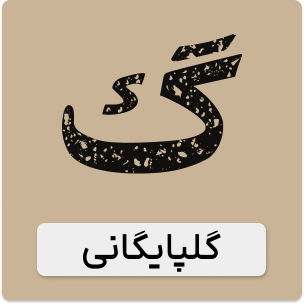
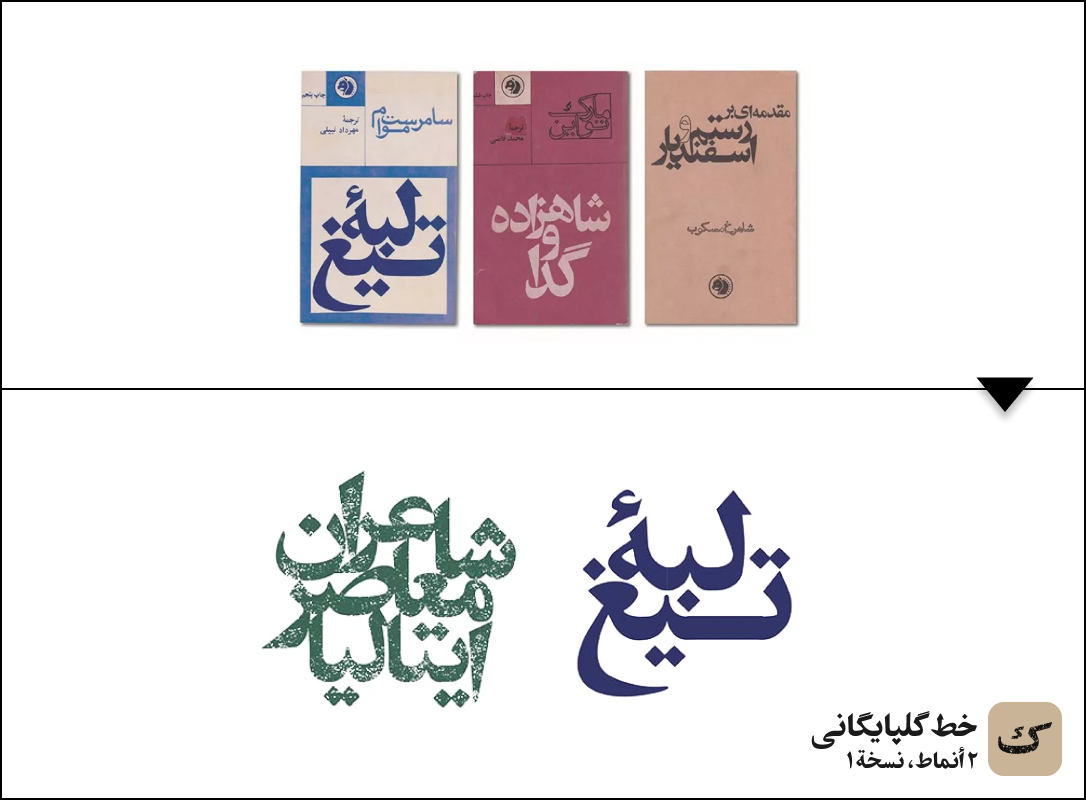
Book cover designs in the 1960s and 1970s played a pivotal role in shaping contemporary graphics. One of the most prominent designers of this era was Behzad Golpayegani, who established his unique style at Franklin Publishing through a blend of calligraphy, typography, and illustration.
The “Golpayegani“ font was inspired by the book covers he designed, characterized by his signature typography. This font has been reimagined and recreated by Majid Kashani and Meraj Ghanbari in two distinct styles: Clean and Textured.
Reviving 1970s Periodicals
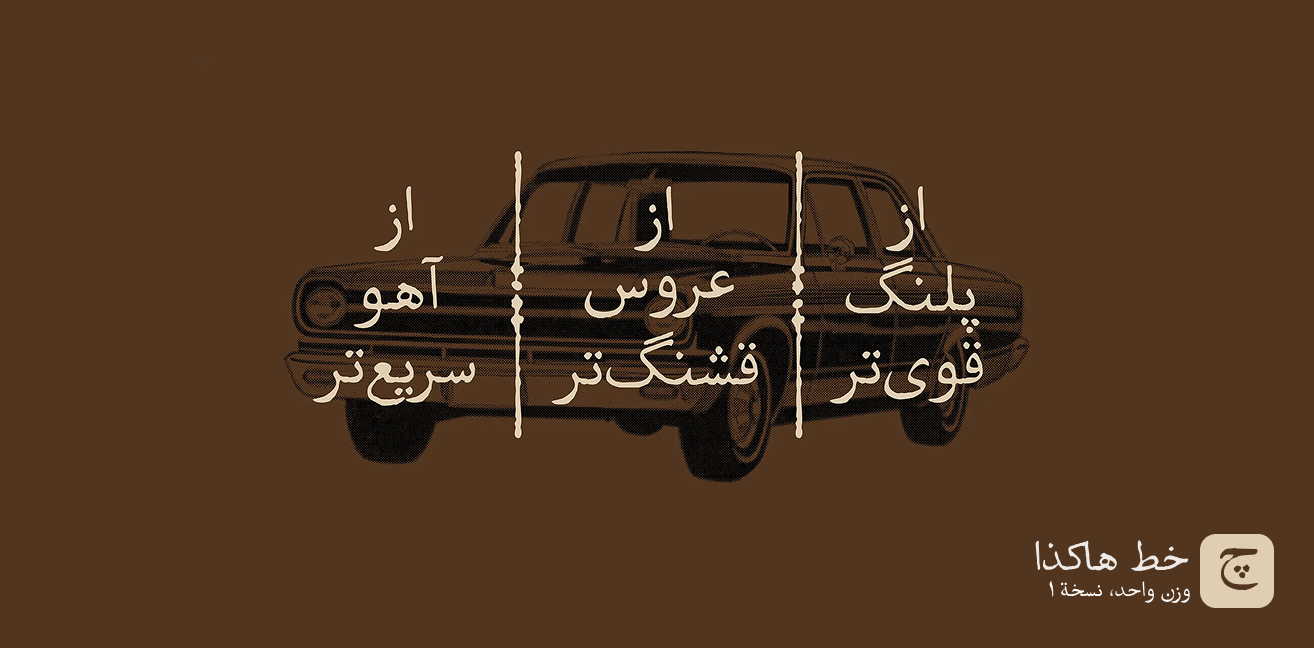
The 1970s represented one of the most significant and influential eras in contemporary graphics and typography. Publications of that time possessed unique visual styles, characterized by bold compositions and unconventional letterforms.
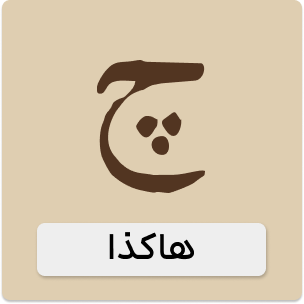
The “Hakaza“ font, was created by Hassan Karimzadeh and Hossein Karimzadeh. They researched 1970s periodicals carefully. The typeface refines the printed characters’ structure. Modern techniques improve legibility, ensure uniform spacing, and enhance performance across font sizes.
Inspired by Historical Books and Inscriptions
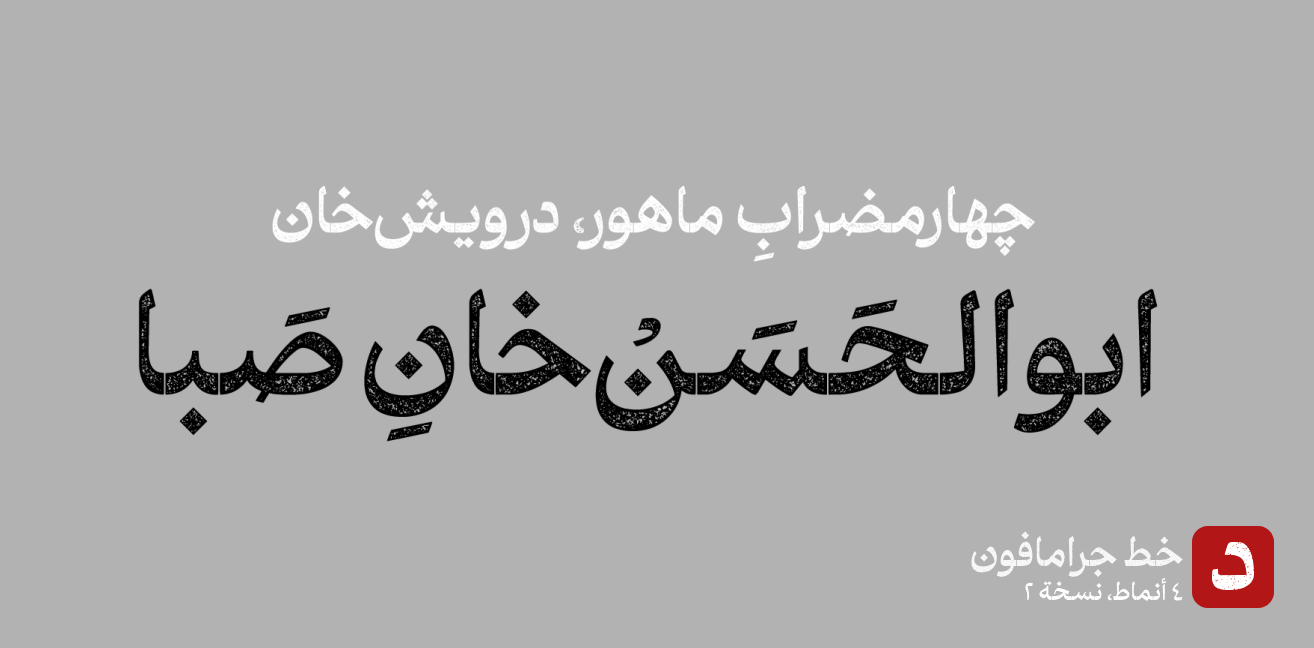
The initial letterforms of the Gramophone font drew inspiration from various ancient books and historical inscriptions. From the start, the designer wanted Gramophone to evoke a nostalgic feel while keeping modern technical standards.
To reinforce this vintage look, the characters are intentionally segmented, mimicking the appearance of lead type printing.
The font package also includes two new styles, Grunge and Stone, which pair perfectly with the Clean and Clean-Connected versions.
Reimagining Lead Type
Lead type was first introduced in the 15th century by Johannes Gutenberg, marking a major turning point in the printing industry. The vintage newspapers, advertisements, and books printed using this method have become a visual goldmine for today’s type designers.
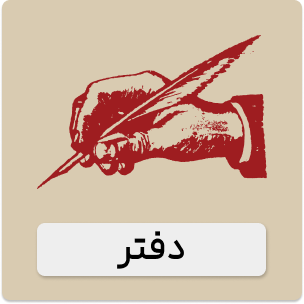
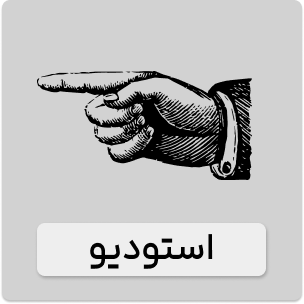
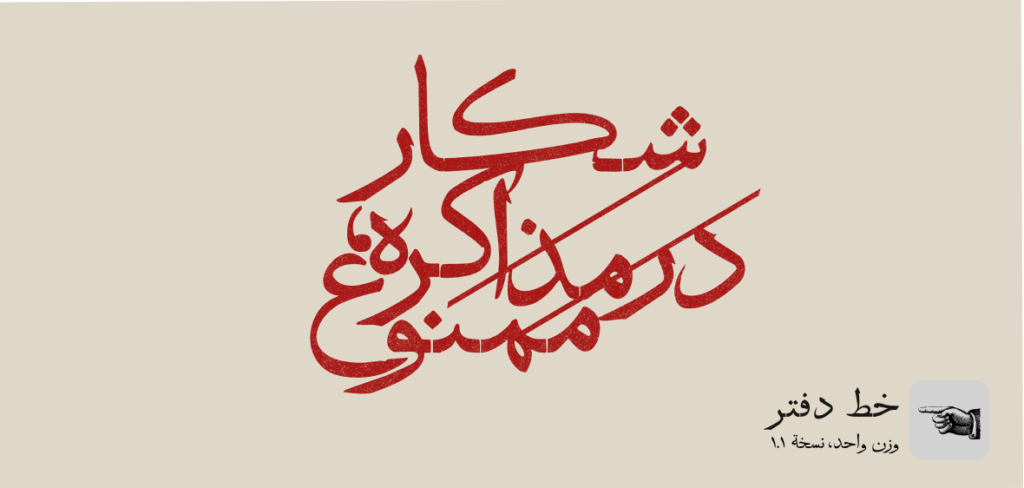
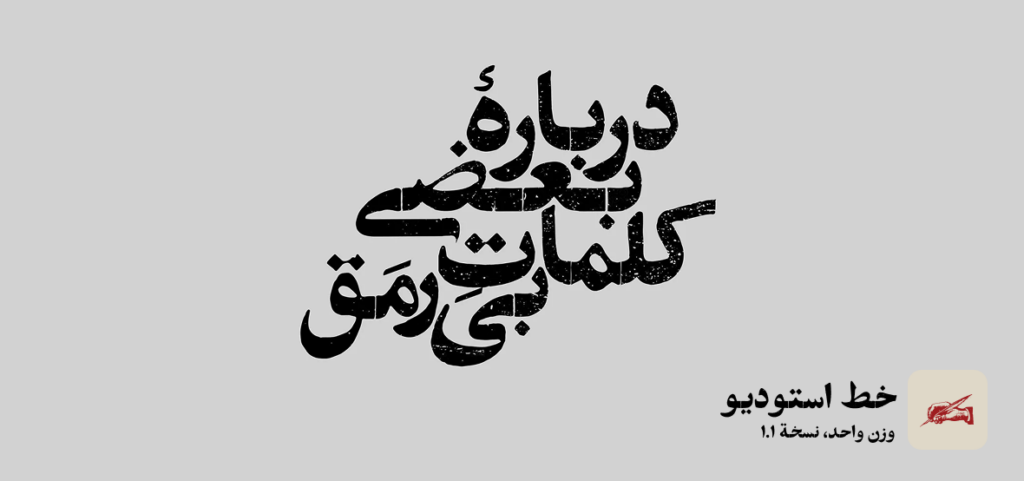
The “Studio“ and “Daftar“ fonts (created by Majid Kashani, Melika Hosseini, and Meraj Ghanbari) are prime examples of reimagining this historical beauty. These fonts offer a blend of lead-type texture with the ease of modern digital use.
Inspired by Vintage Signage
Metal or wooden shop signs, especially those from the 1960s to 1980s, serve as a valuable source of inspiration for type design. These signs were often crafted by local artisans, each bearing unique characteristics.
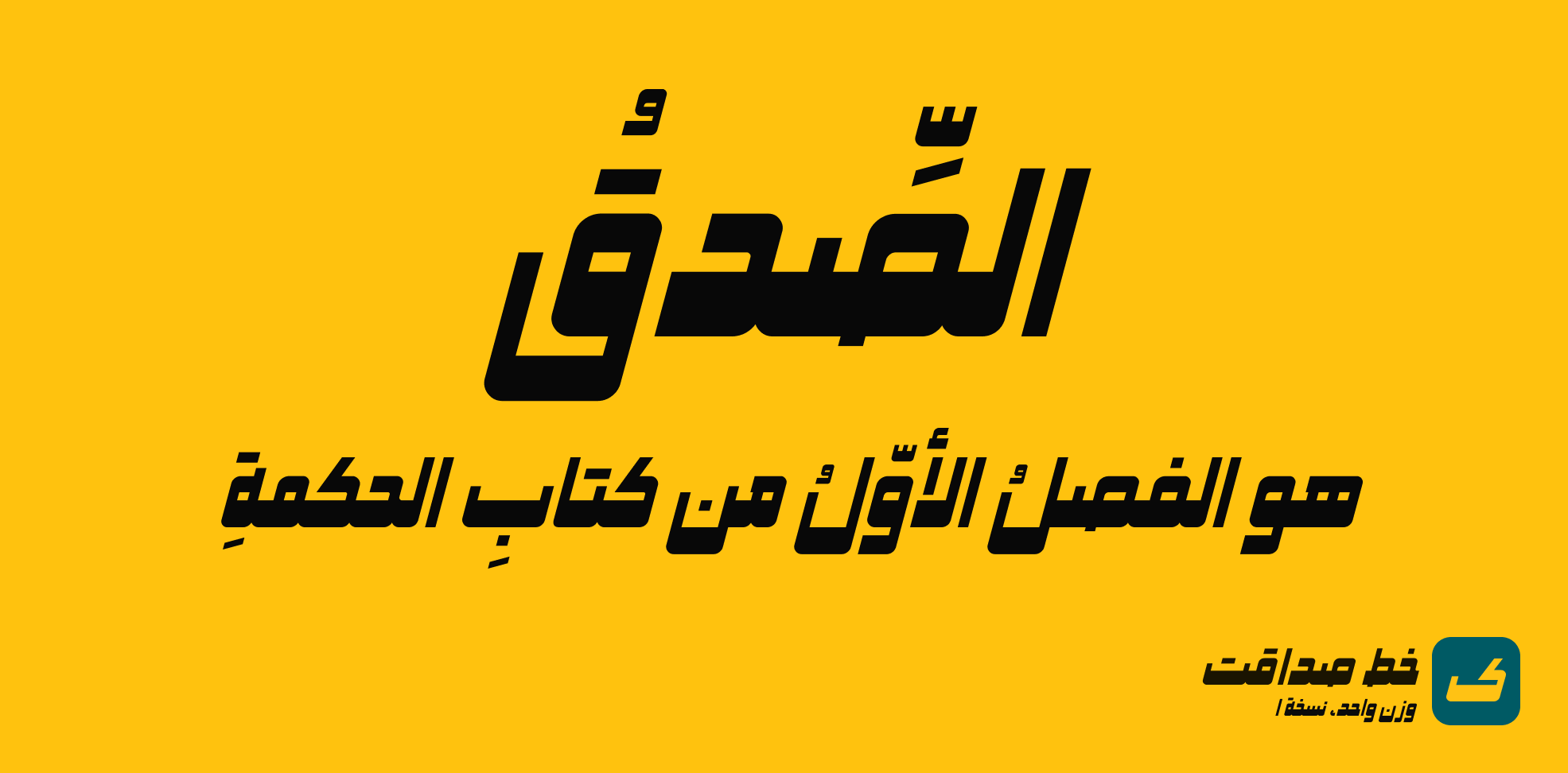
The Sedaghat font, designed by Ahmadreza Rahimi, is a successful example of transforming an old embossed sign into a contemporary typeface.
Inspired by Arabic Calligraphy
Arabic calligraphy is a precious treasure trove of letterforms and artistic compositions. Nostalgic Arabic fonts based on calligraphy carry a deep cultural and literary essence.
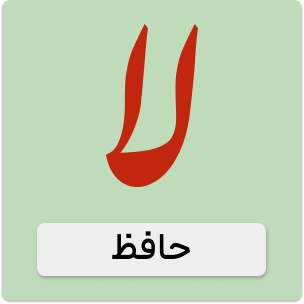
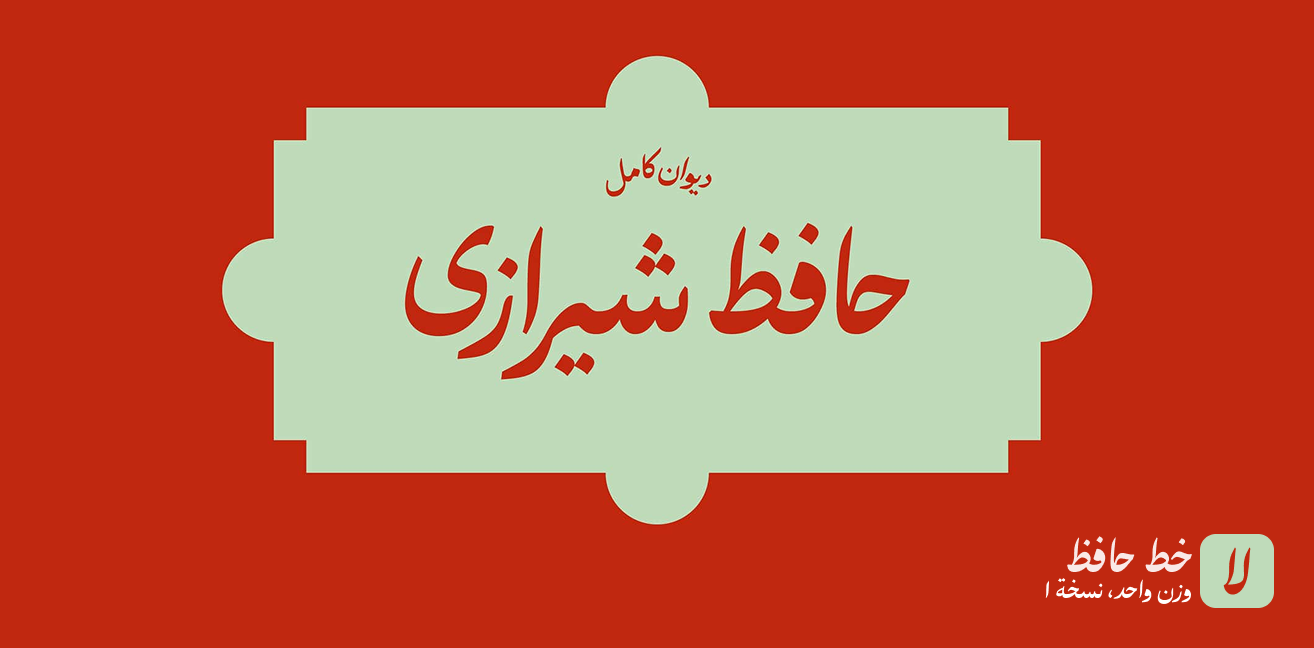
The Hafez font, designed by Hossein Badzohre, is a well-known example in this category, skillfully bridging the beauty of the past with contemporary applications.
The Emotional Power of Nostalgia in Design
The primary goal of these fonts is not merely aesthetic; it is to create an emotional connection with the audience. When a viewer encounters visual forms from the past, their mind is subconsciously activated, triggering memories and fostering a sense of trust and intimacy.
This ability to forge an emotional bond has transformed nostalgic Arabic fonts into a powerful and influential tool in advertising and branding.