
































Nevesht


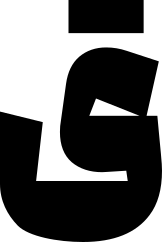
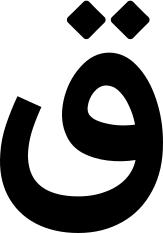
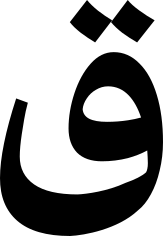
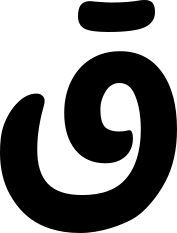
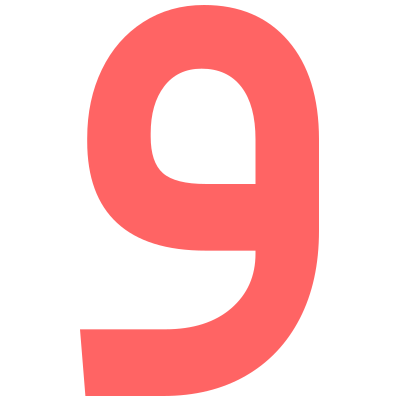
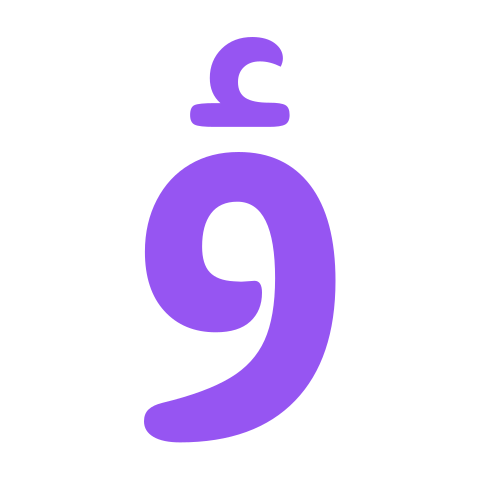
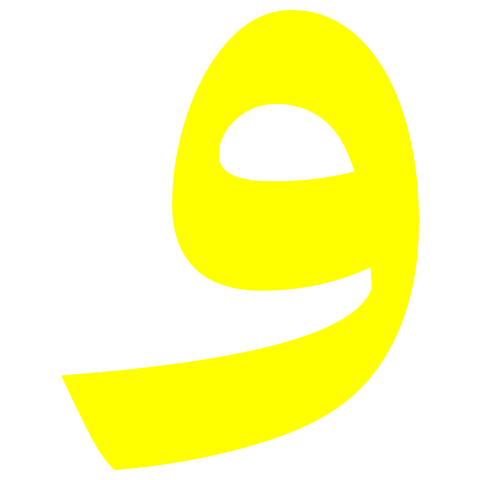
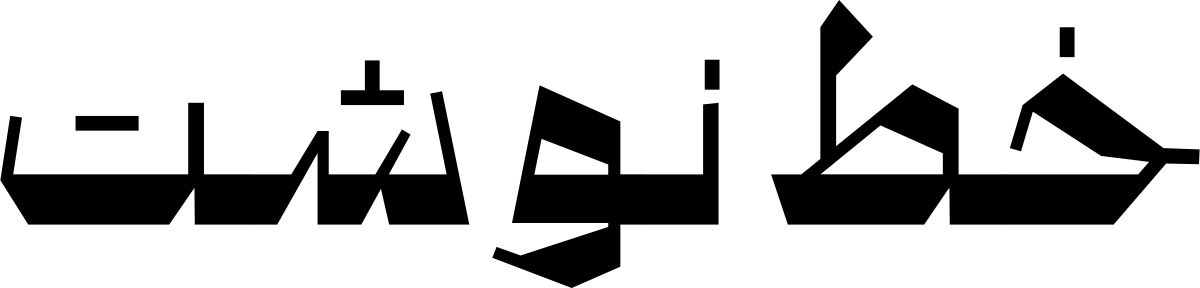
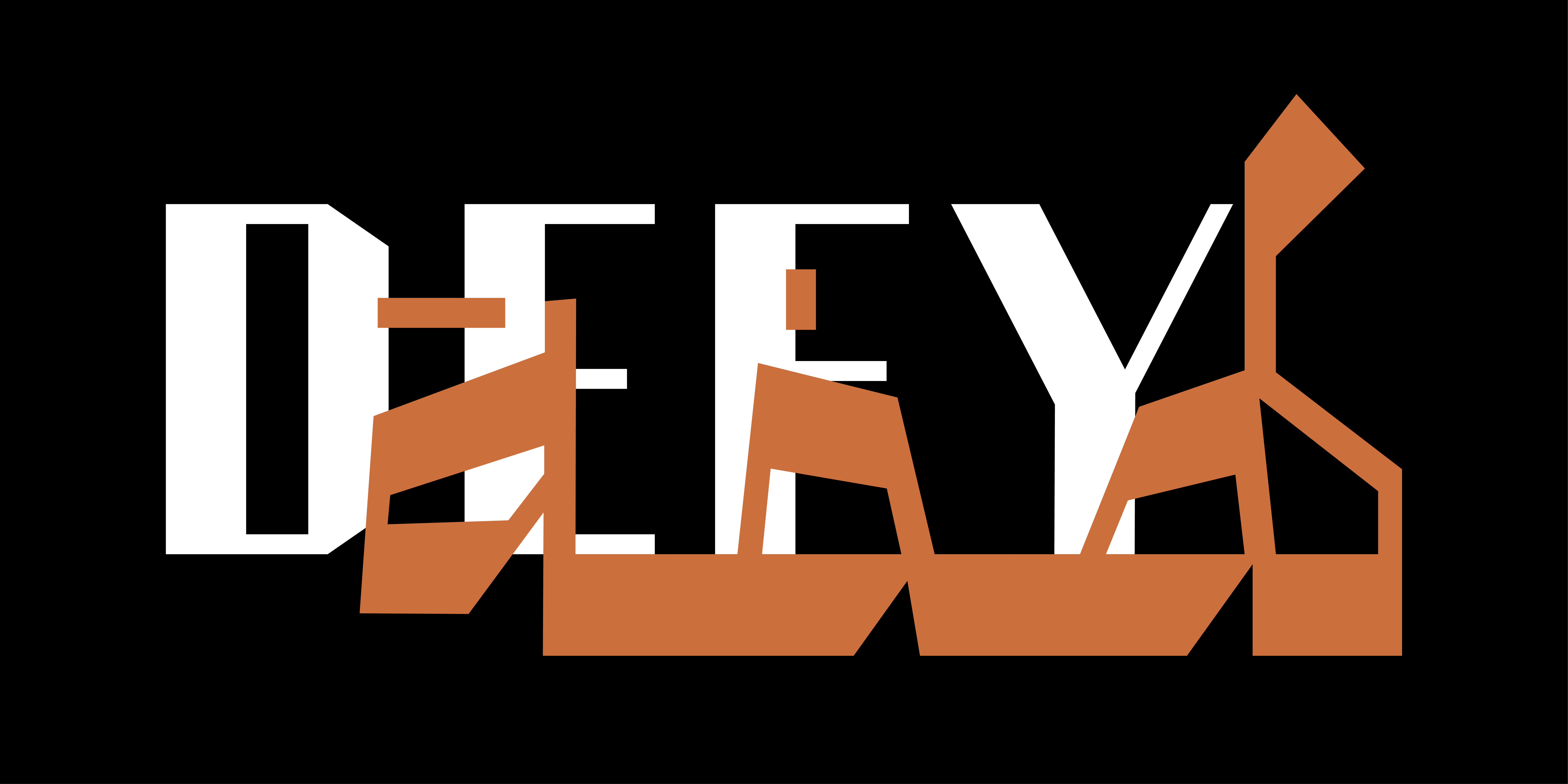
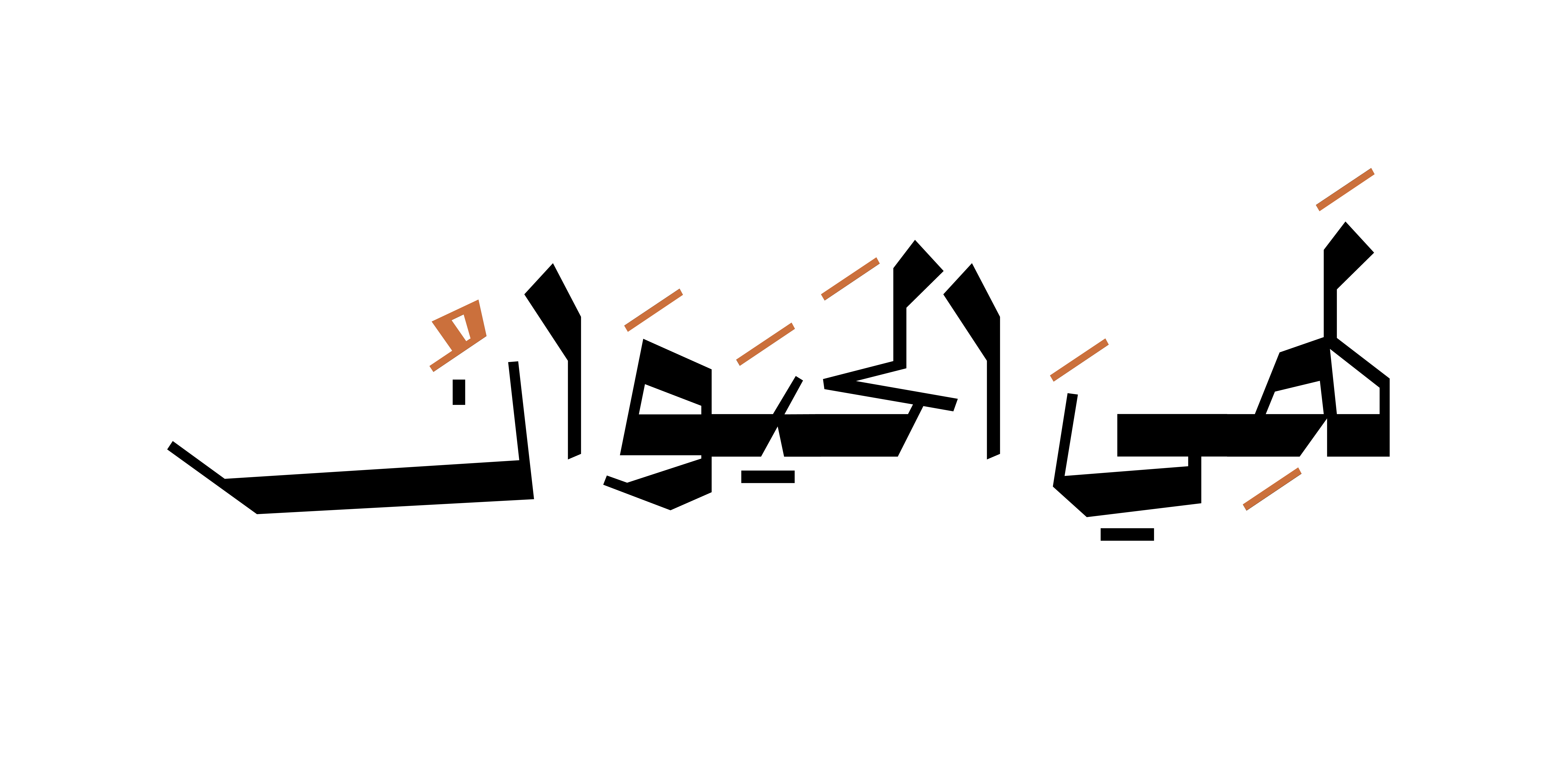
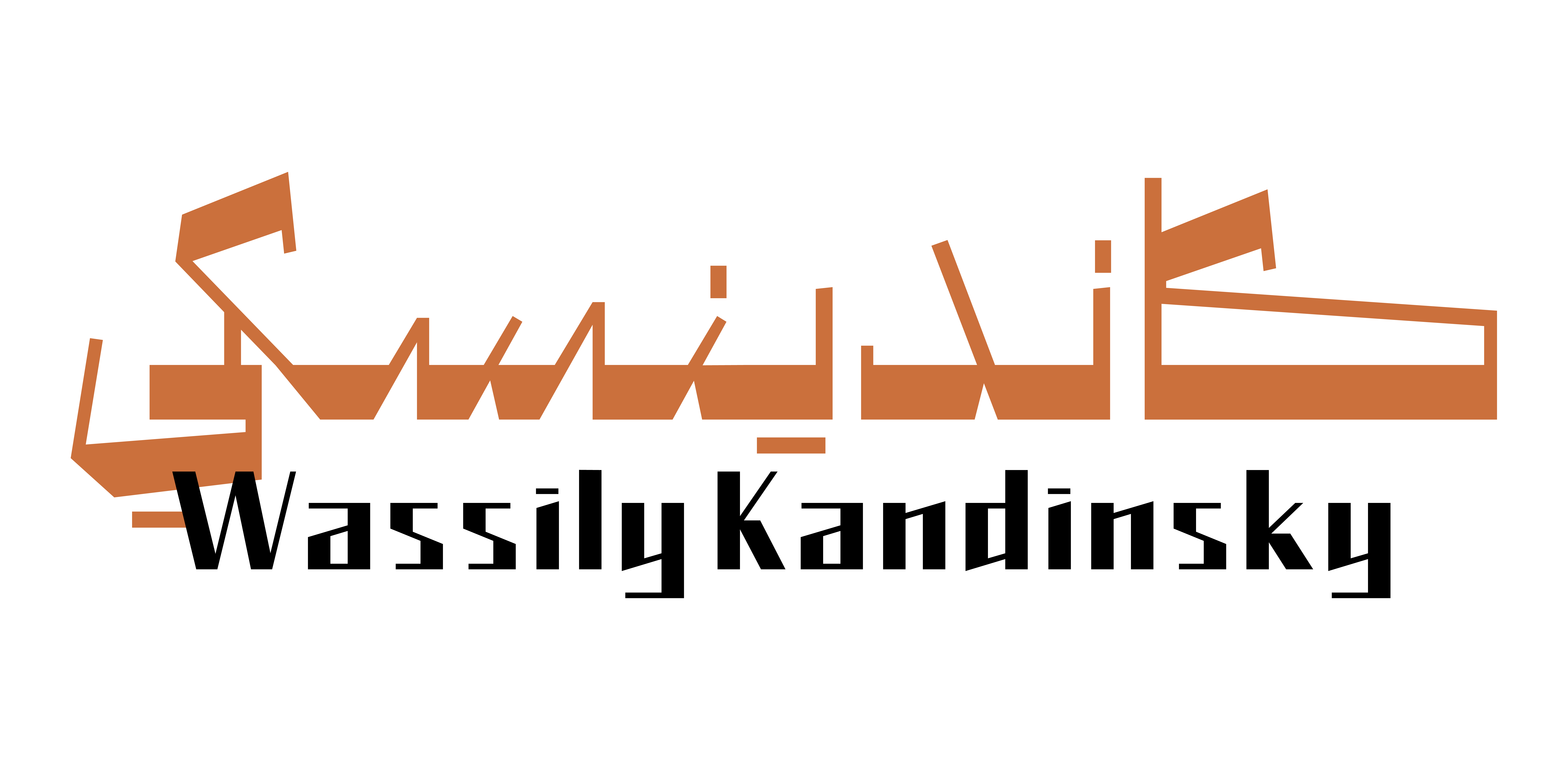
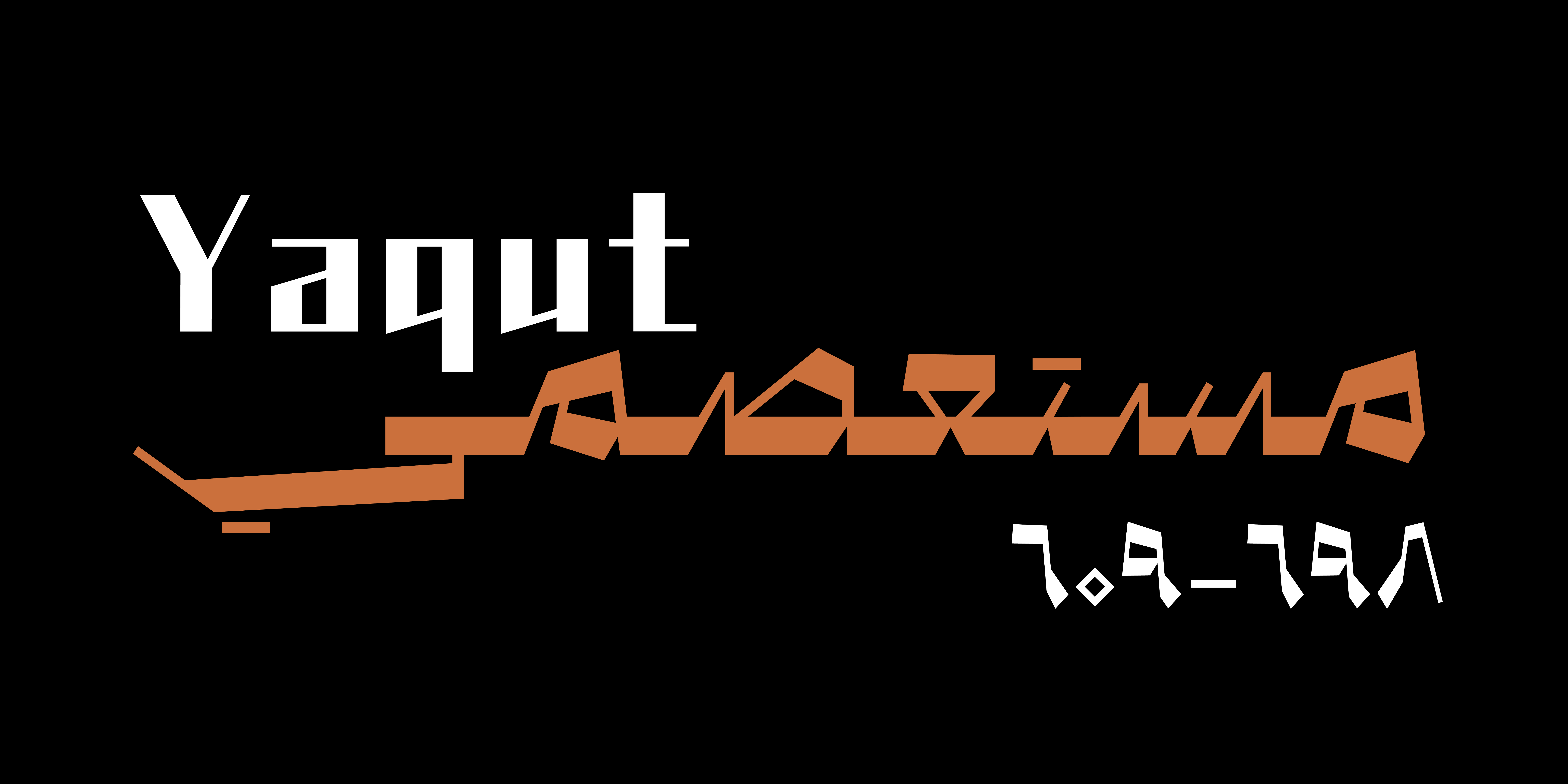
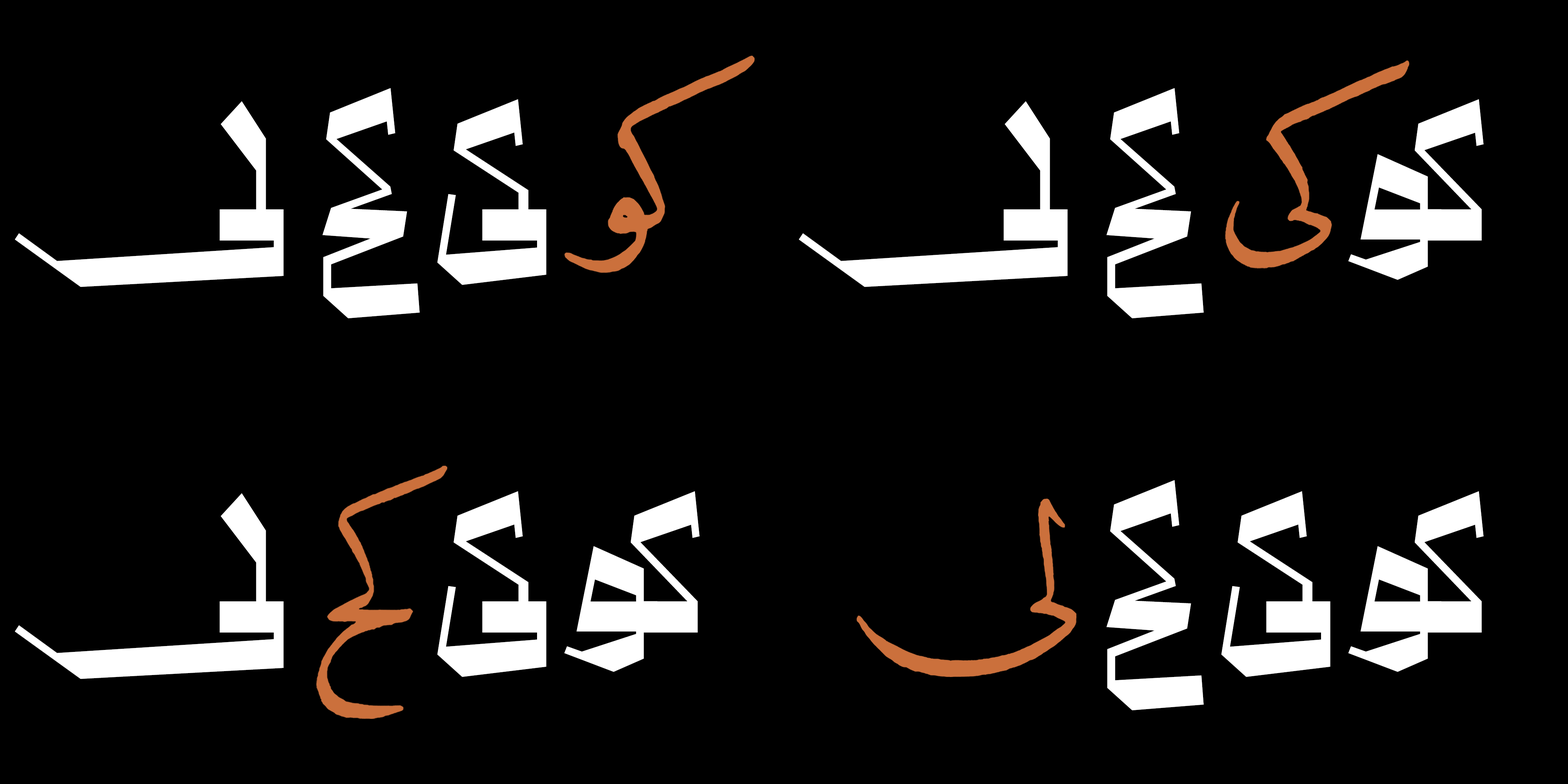
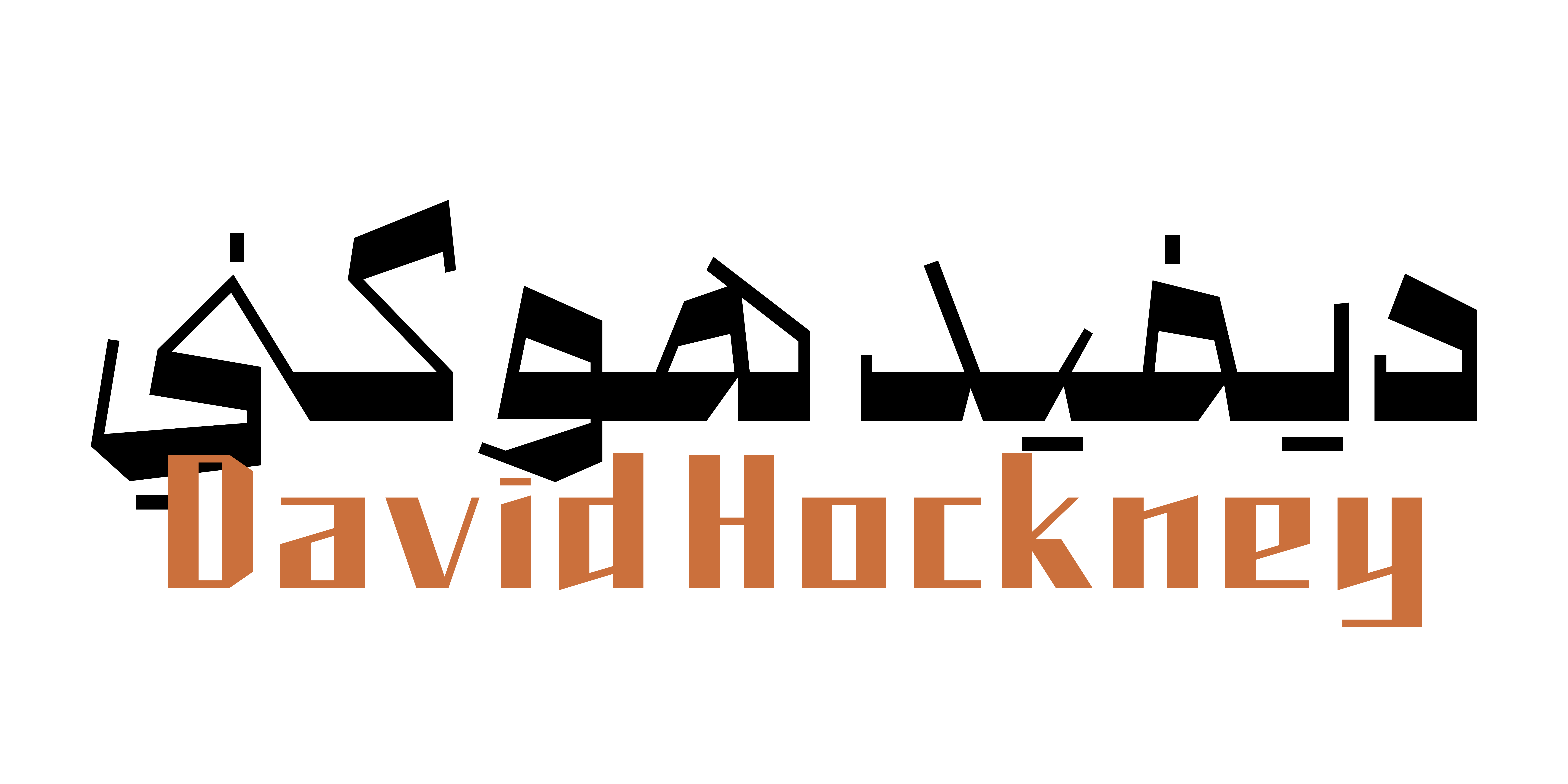
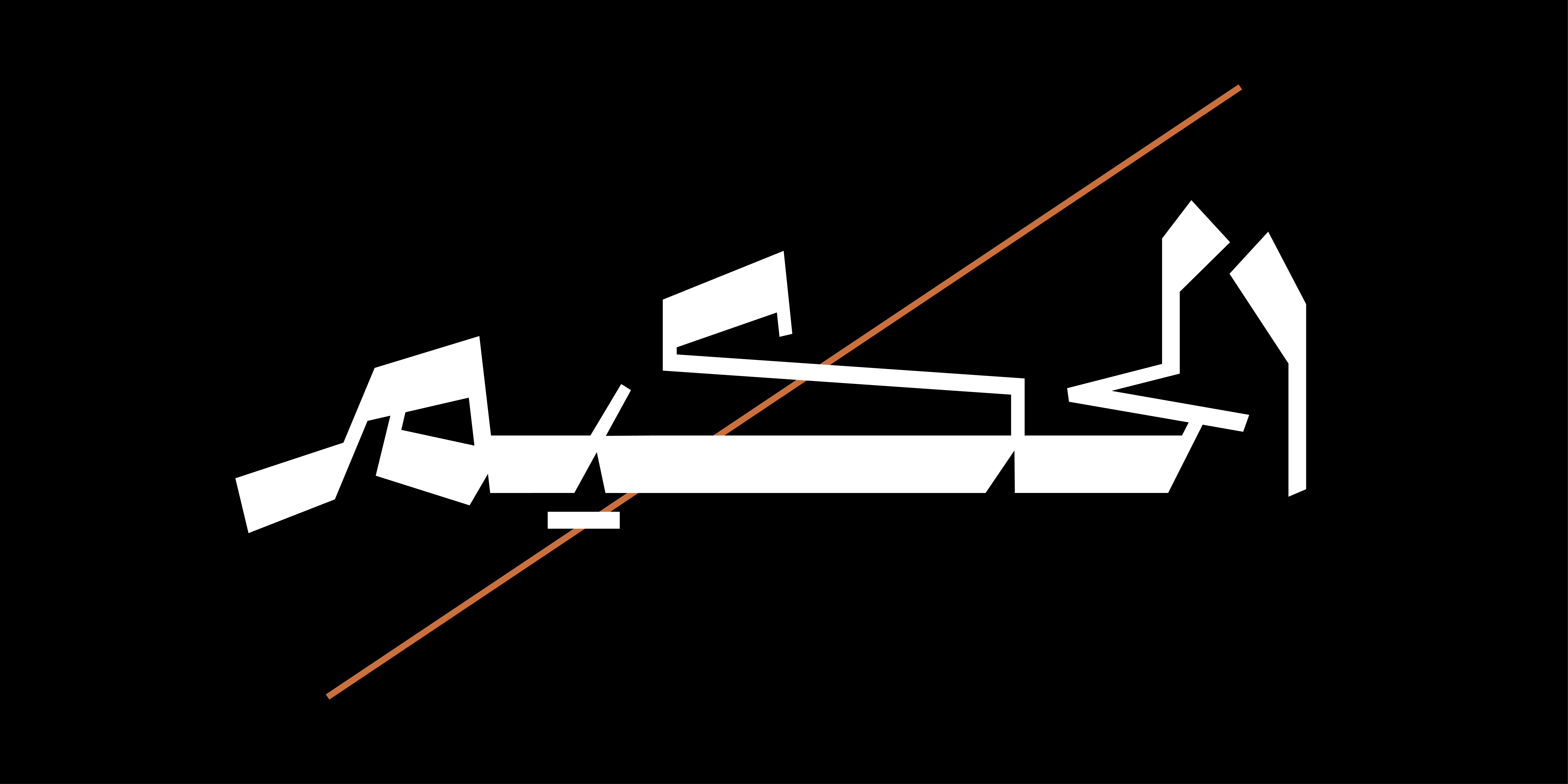
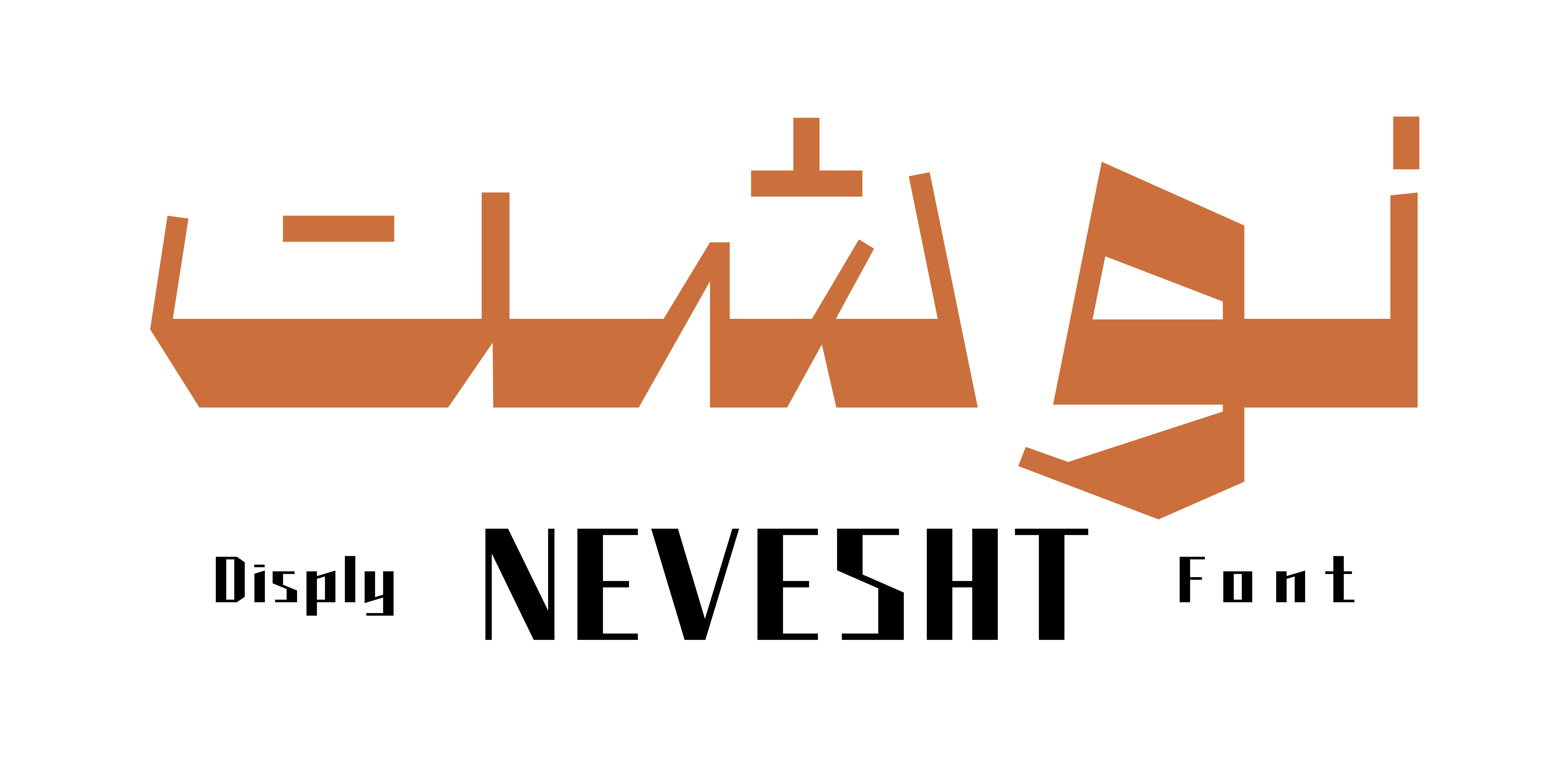
Nevesht is a typeface that emerged from continuous study of the Naskh script. I started it from a sensory sketch in my notebook and soon realized that the originality and solidity of Naskh could easily accommodate geometric deformation.
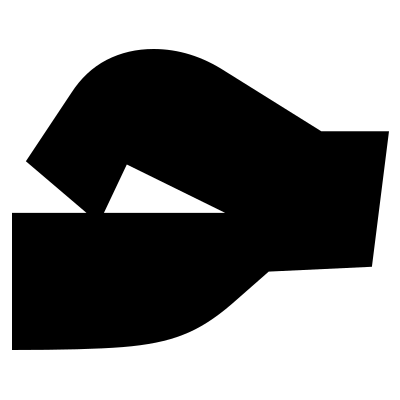
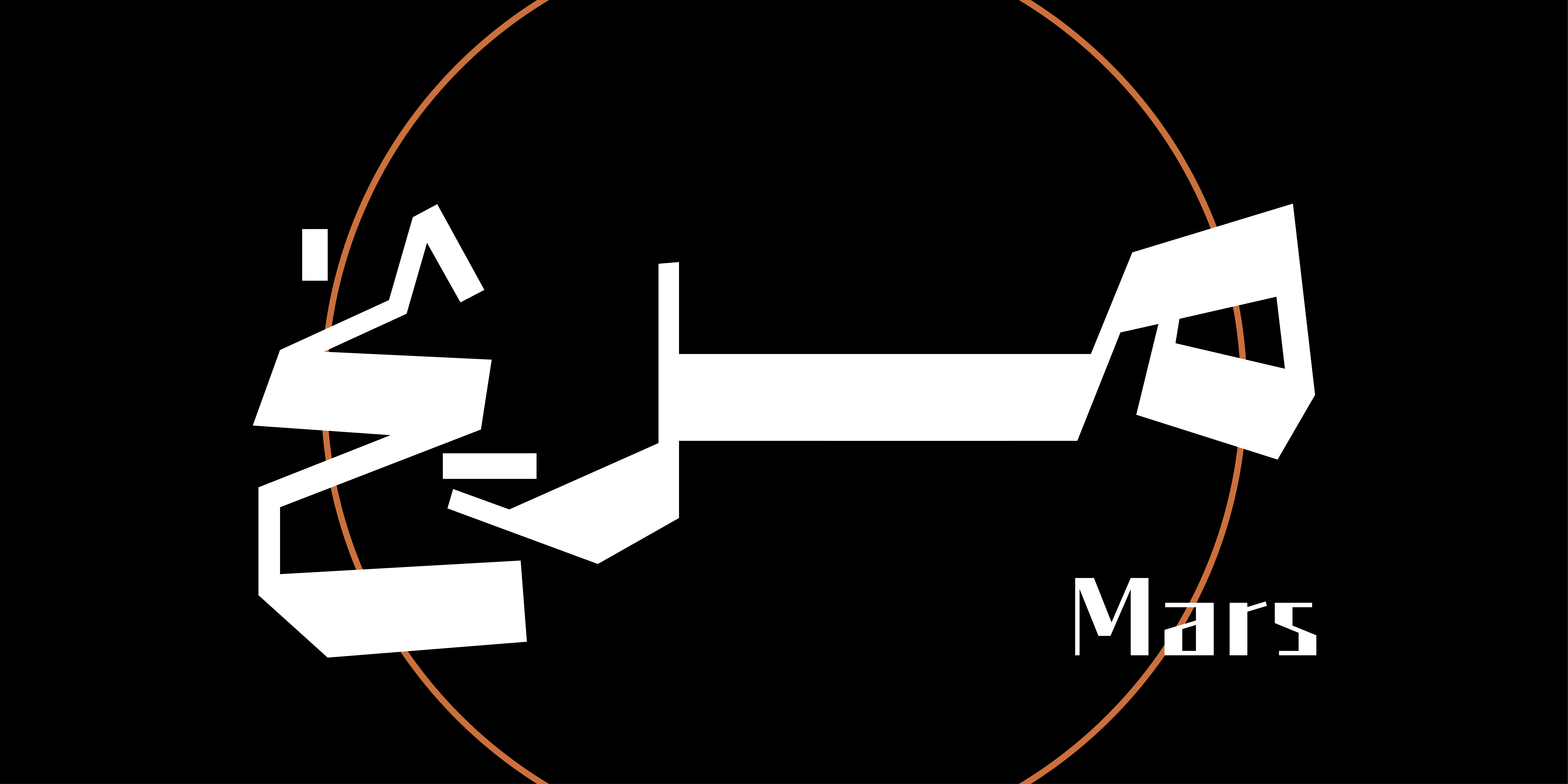
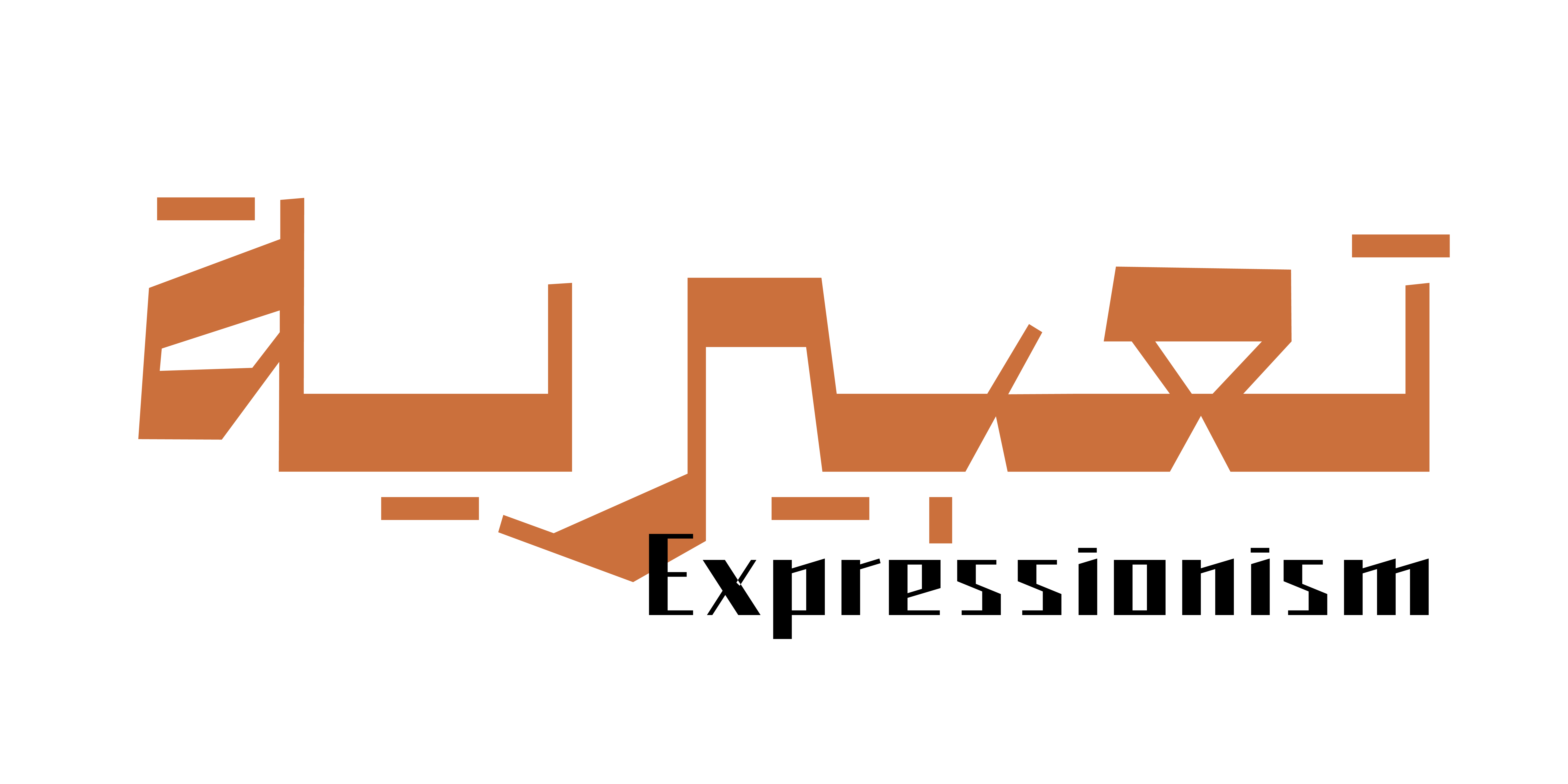
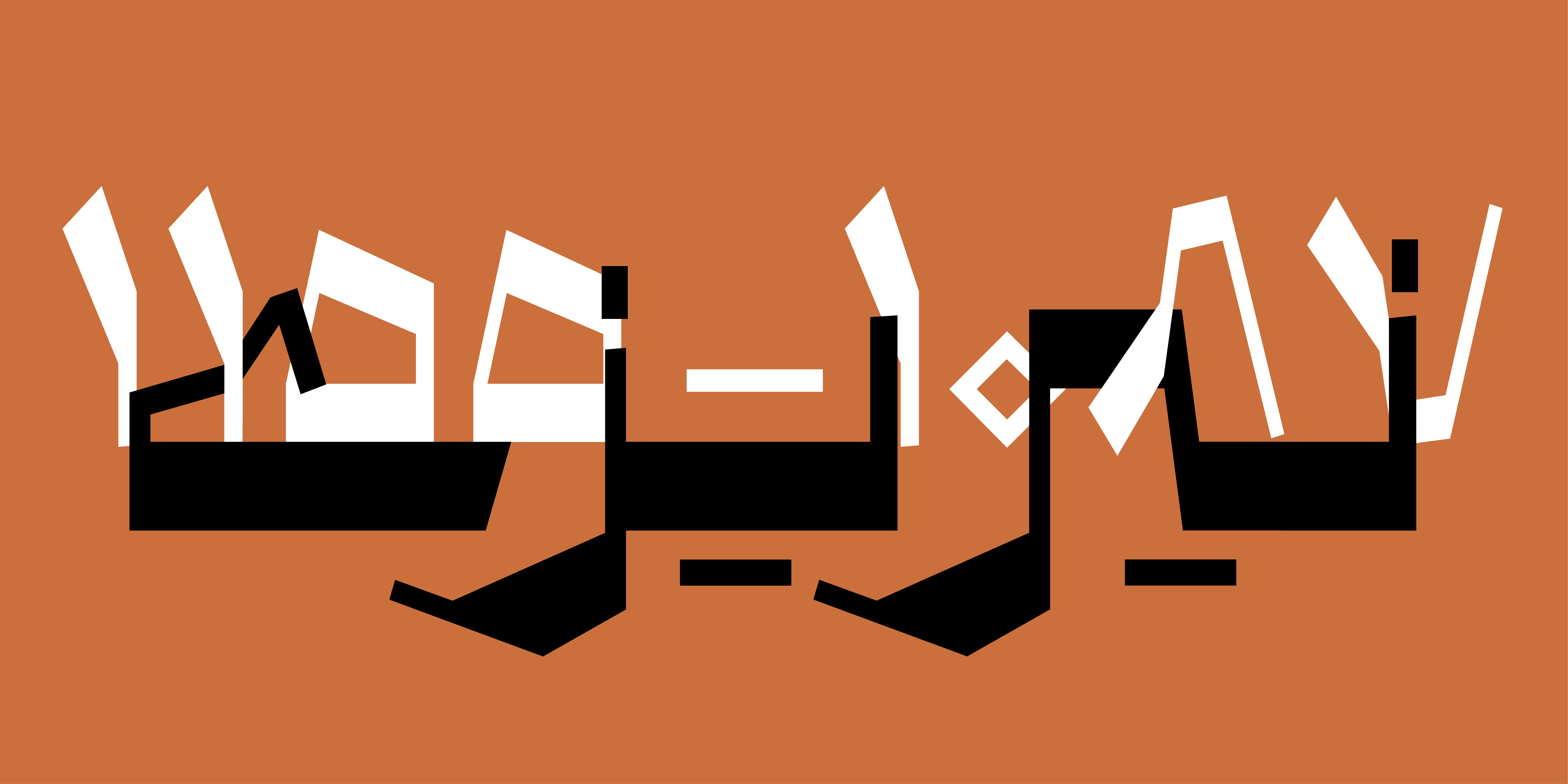
Nevesht is sharply geometric and modern, yet still clearly displays the roots and forms of Naskh script.
 Font Licensing
For an additional user to use the font.To share the font with your designer or project partner. (details)
For one website or app and to share the font with 2 additional project partners. (details)
For small businesses to share the font with 5 additional employees and use it on one website.(details)
For unlimited use by companies in all their activities. A website builder, website templates and services that allow users to type with the font. (details)
Nevesht

Source of inspiration
During the design process, the book Rasm al-Mashq Naskh Iranian by Mohsen Ebadi was my only source of formal inspiration and this was very exciting for me.
Geometry
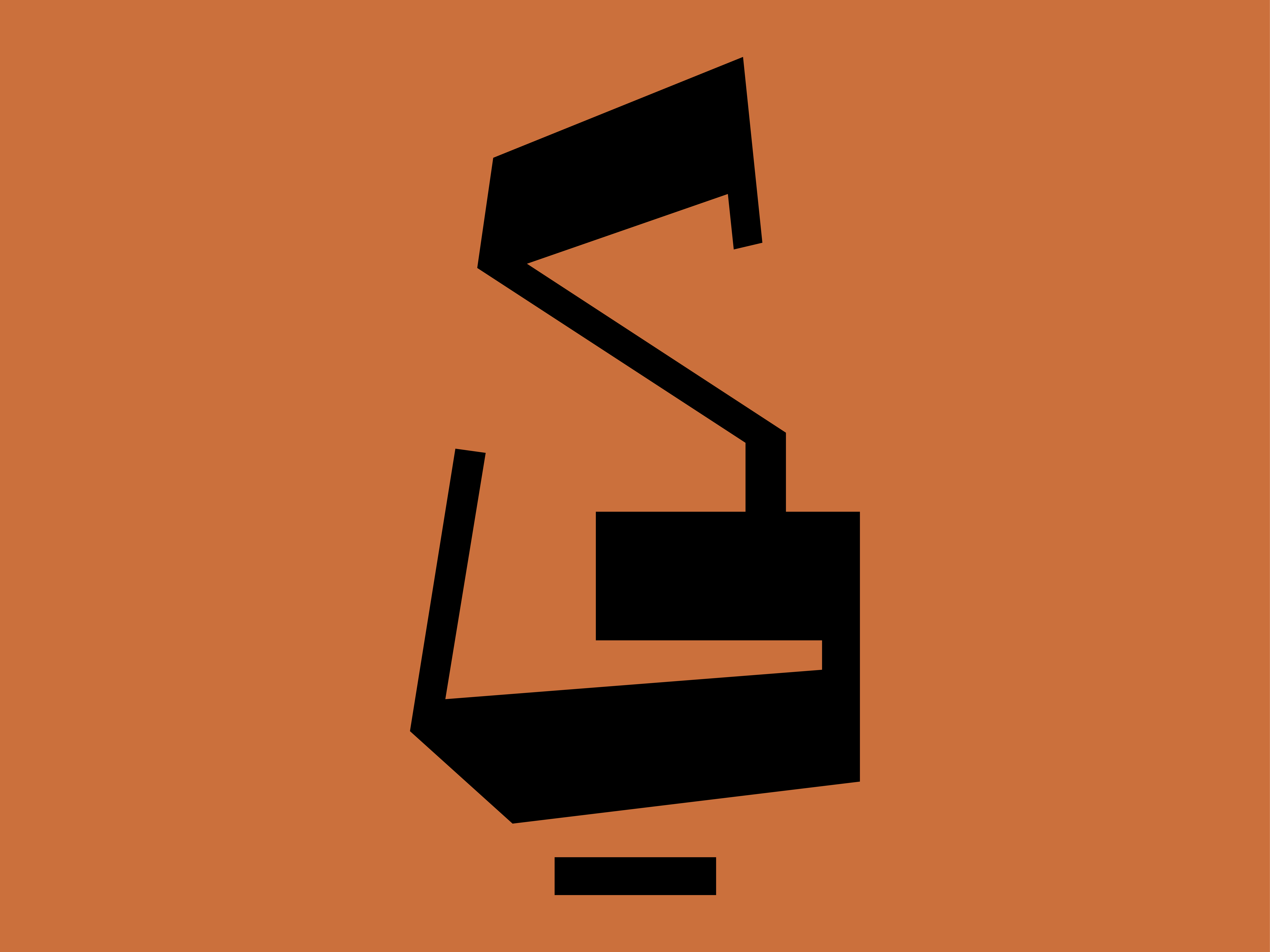
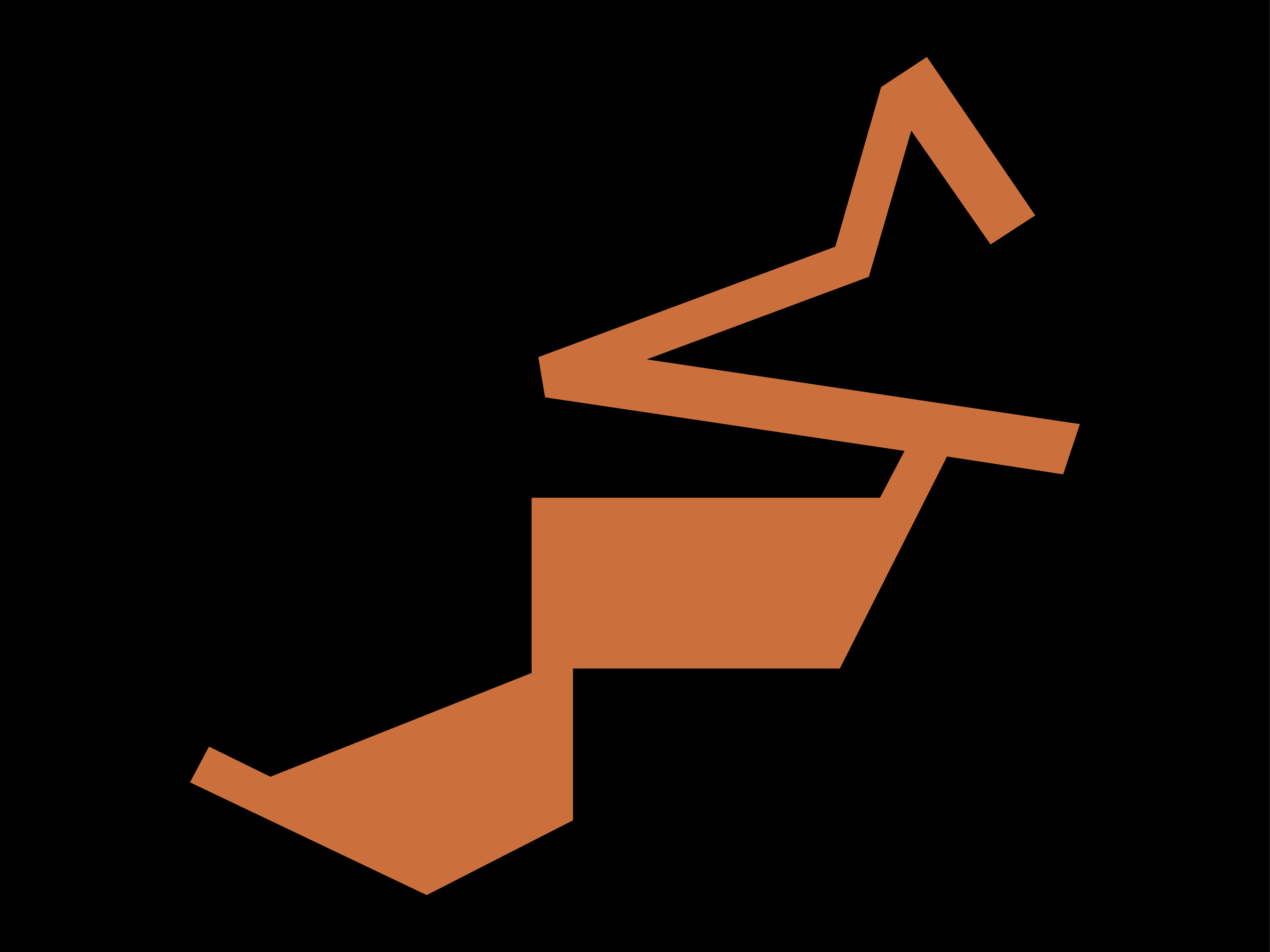
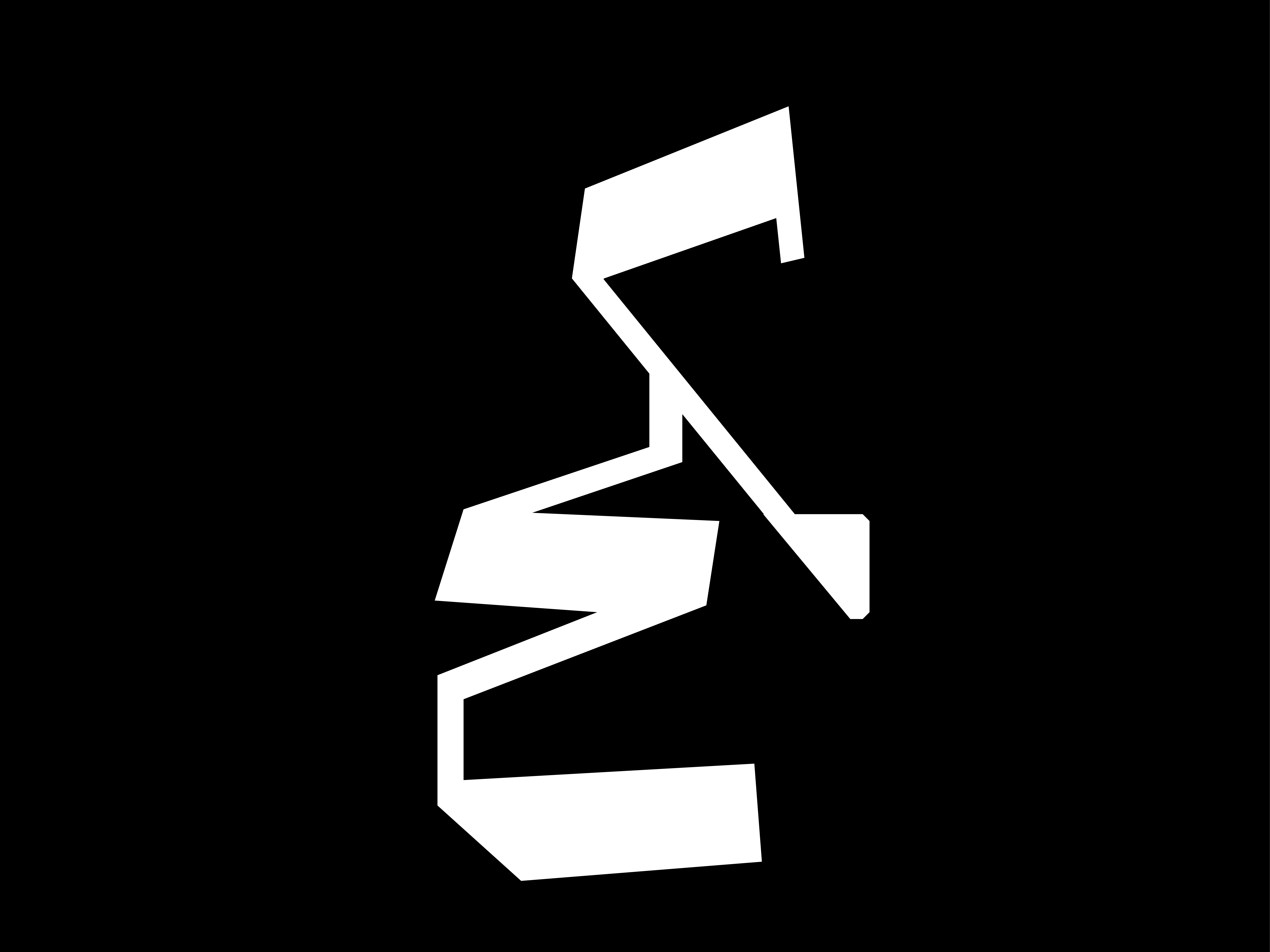
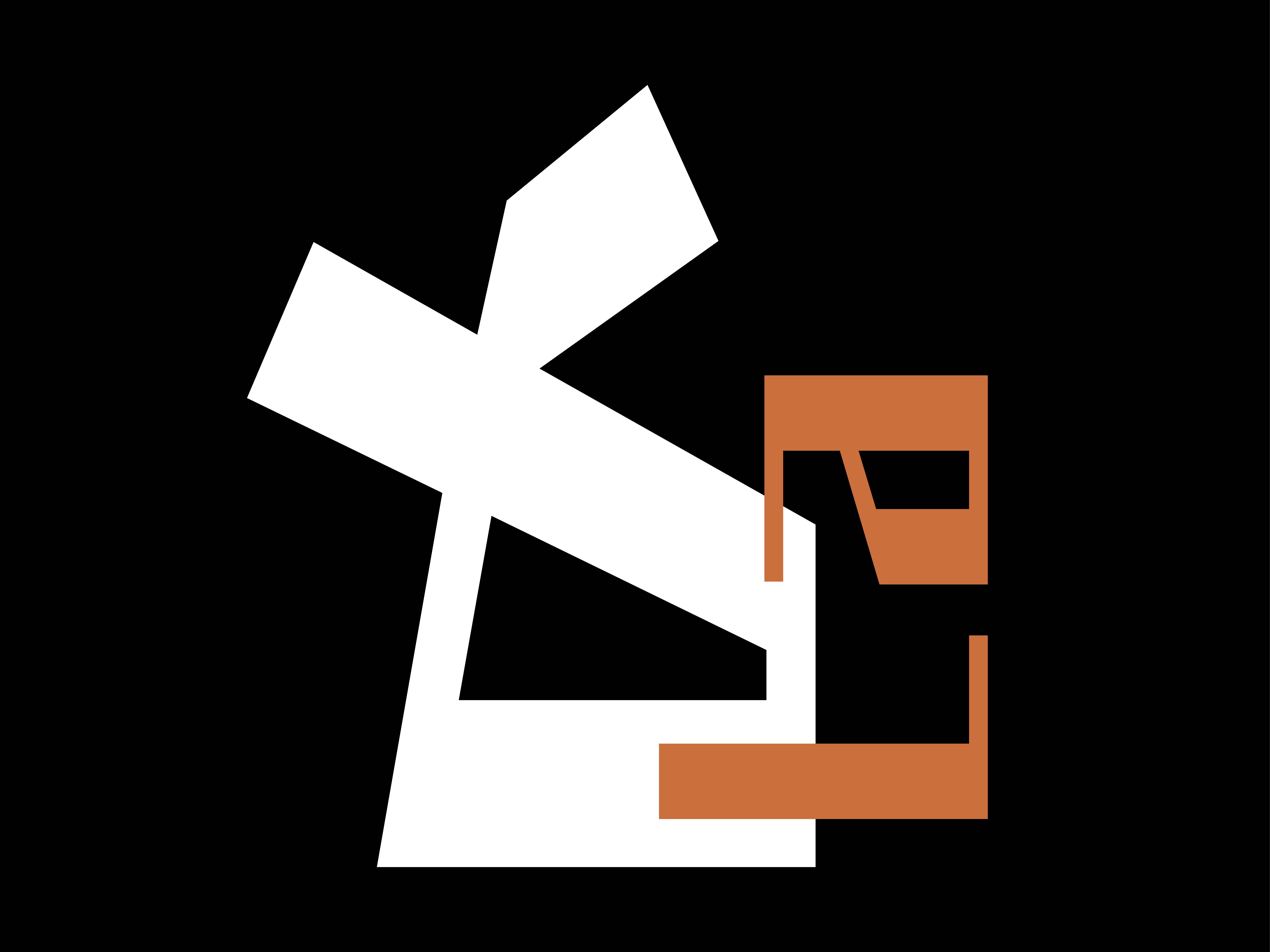
Regarding the geometry of "Nevesht," I will refer to a sentence from an artist friend who said: "A geometric form, contrary to its name, can contain a kind of magic and madness."
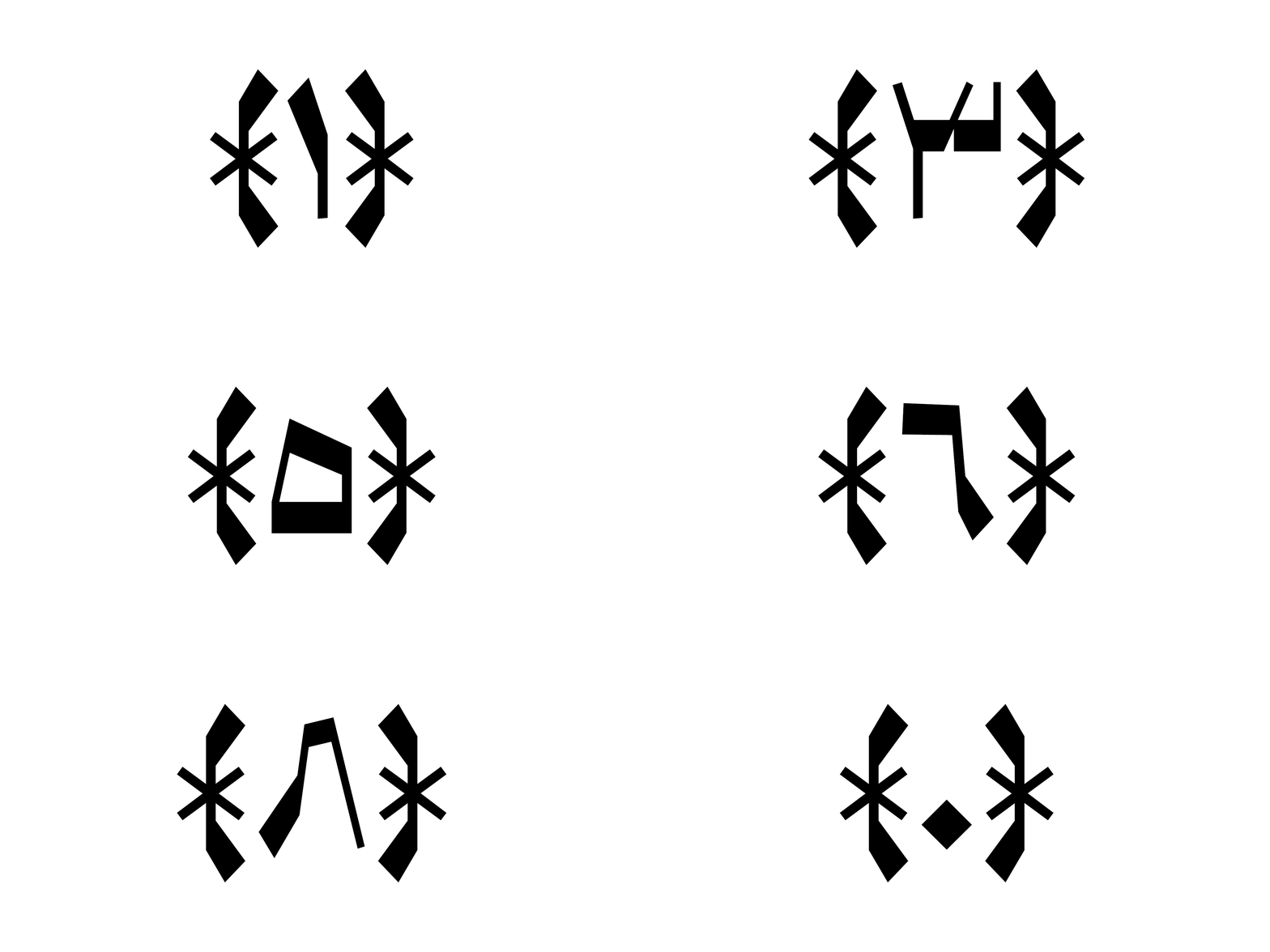
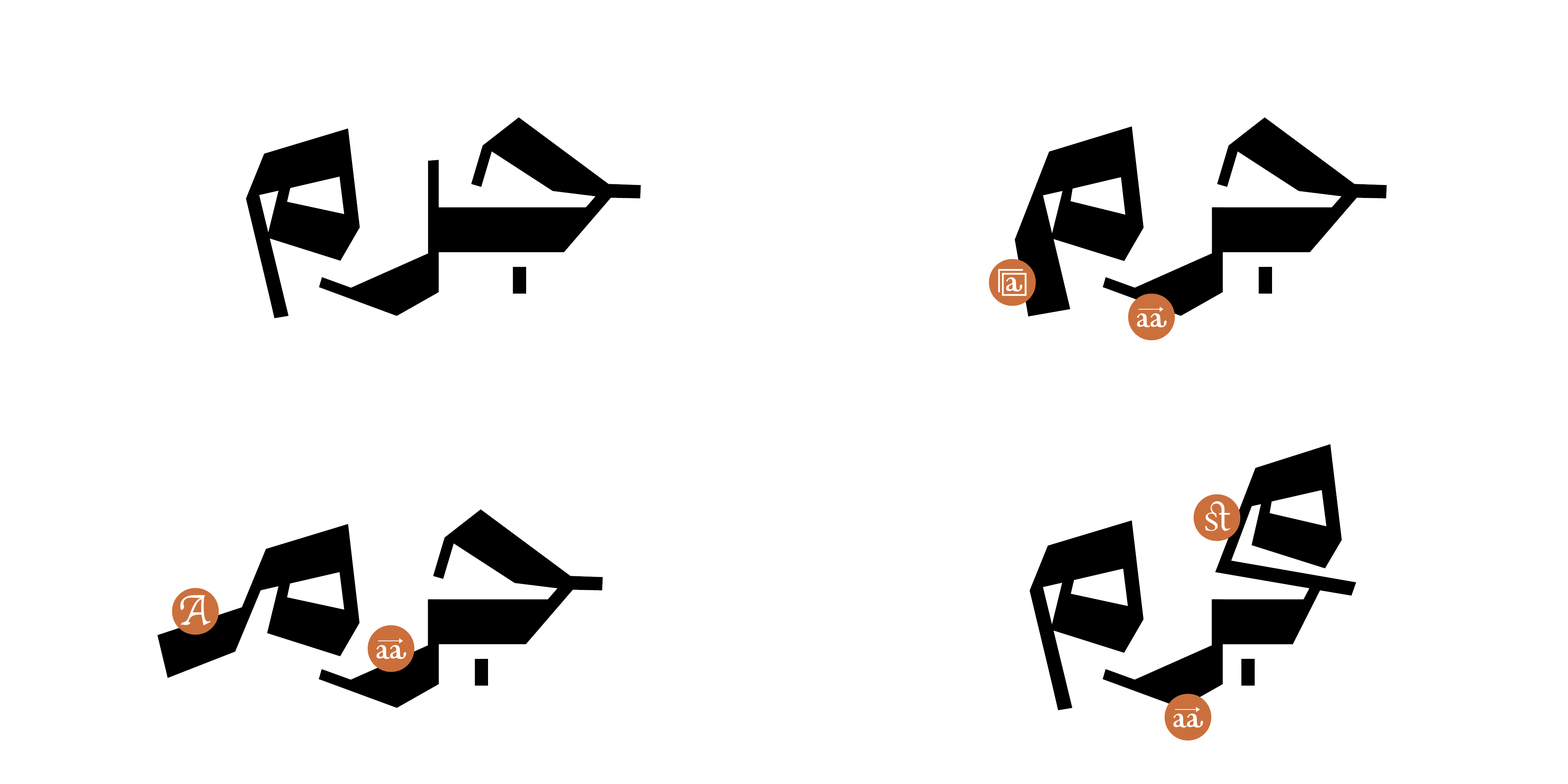
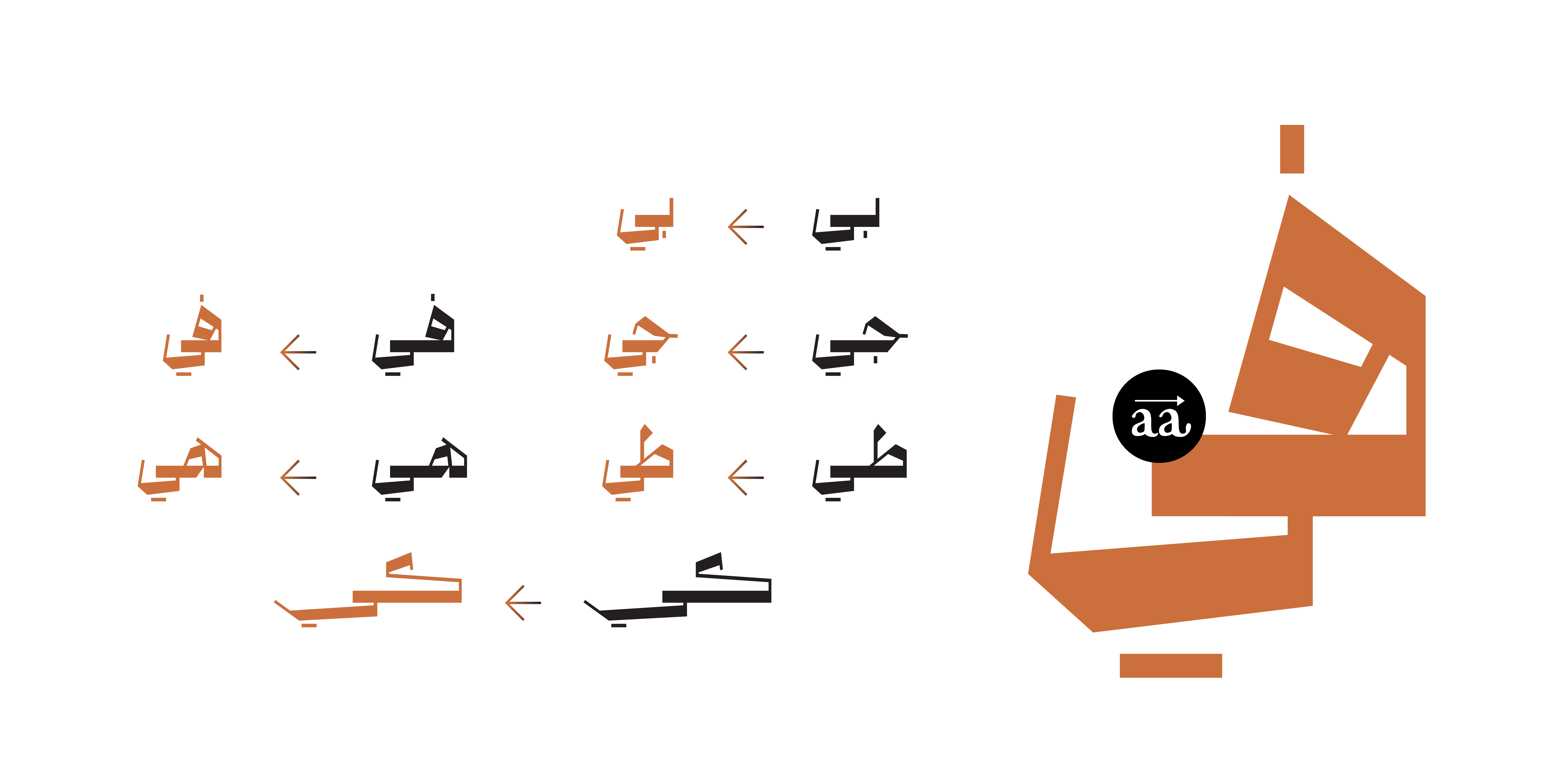
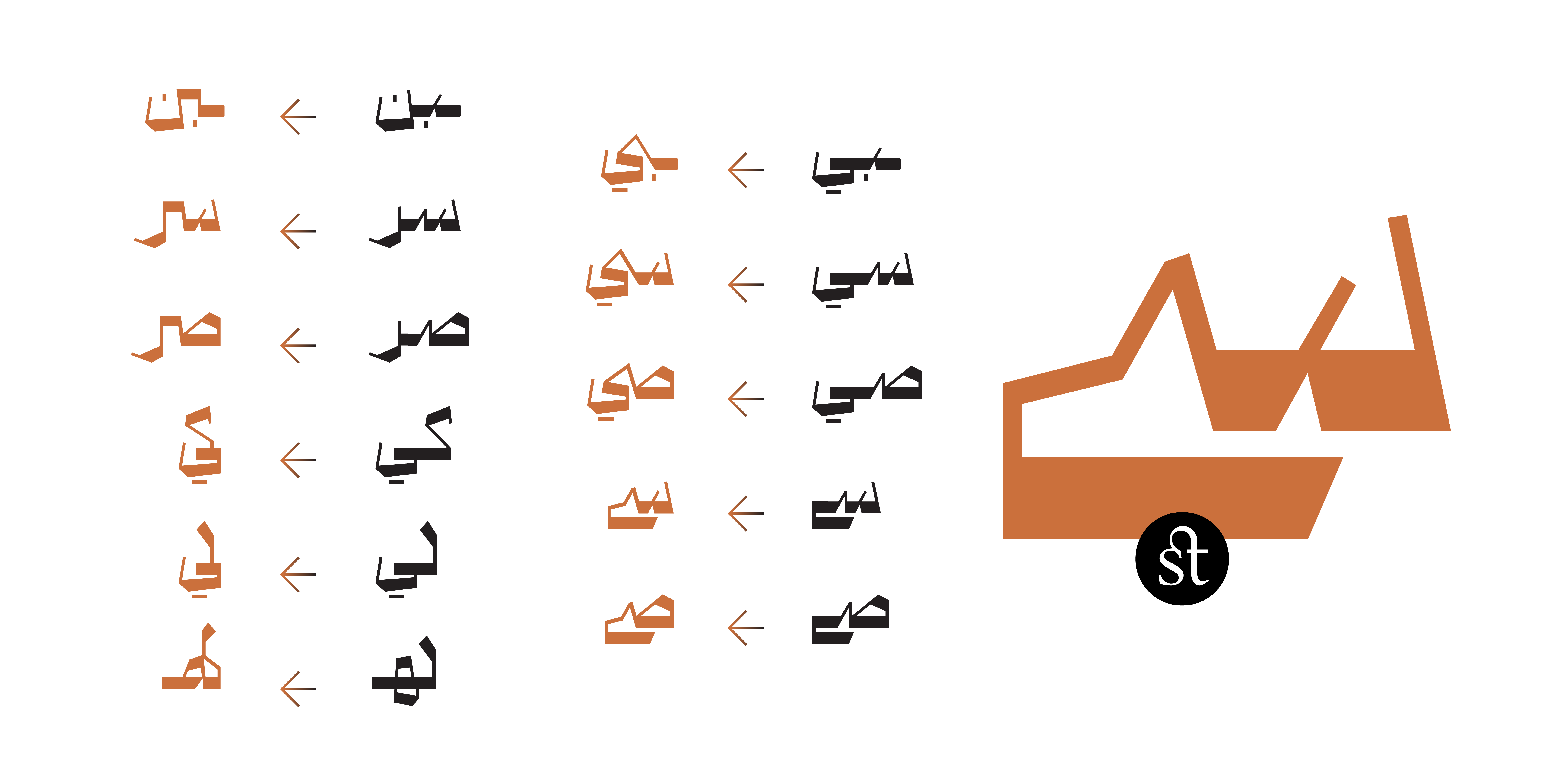
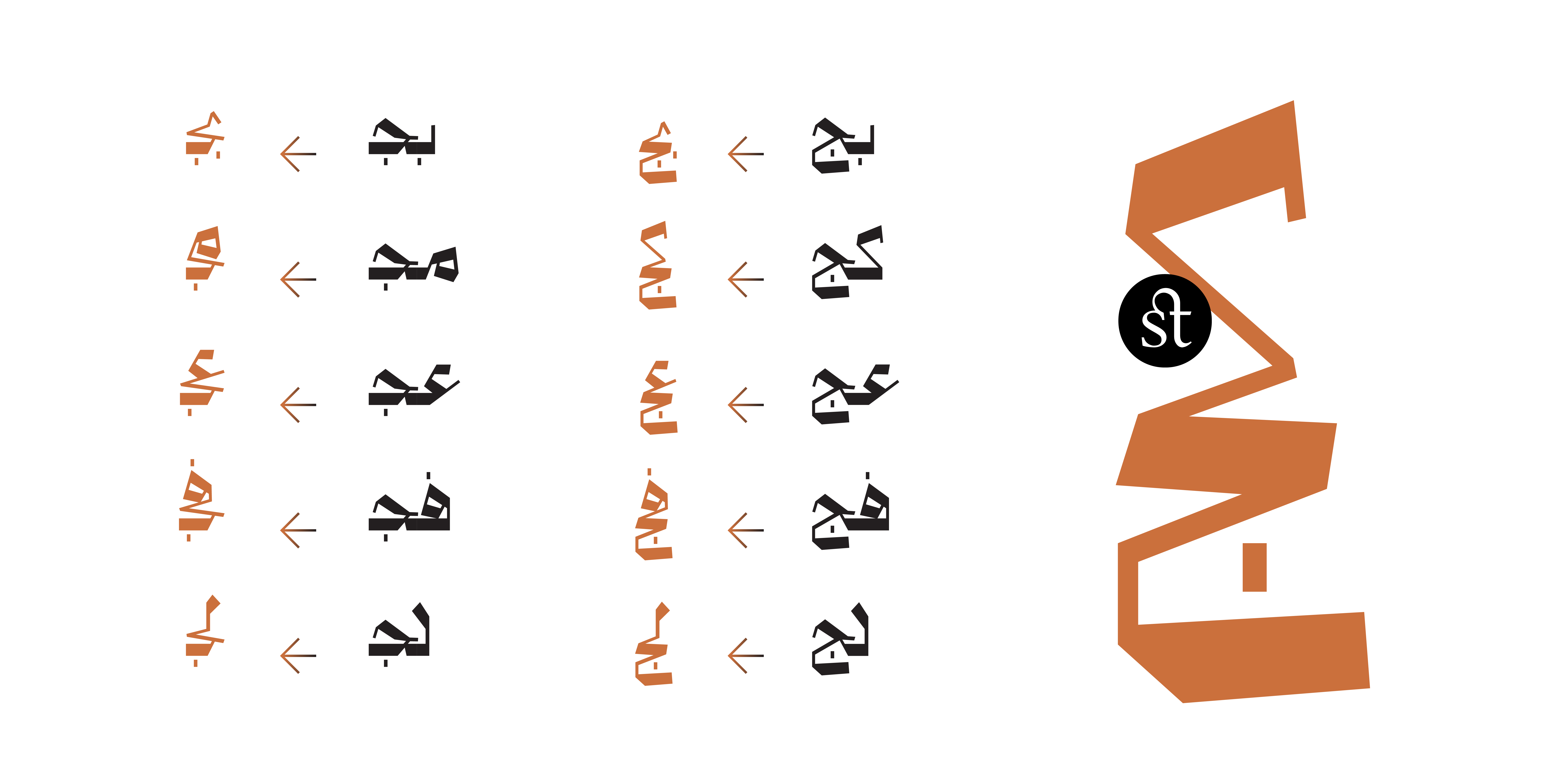
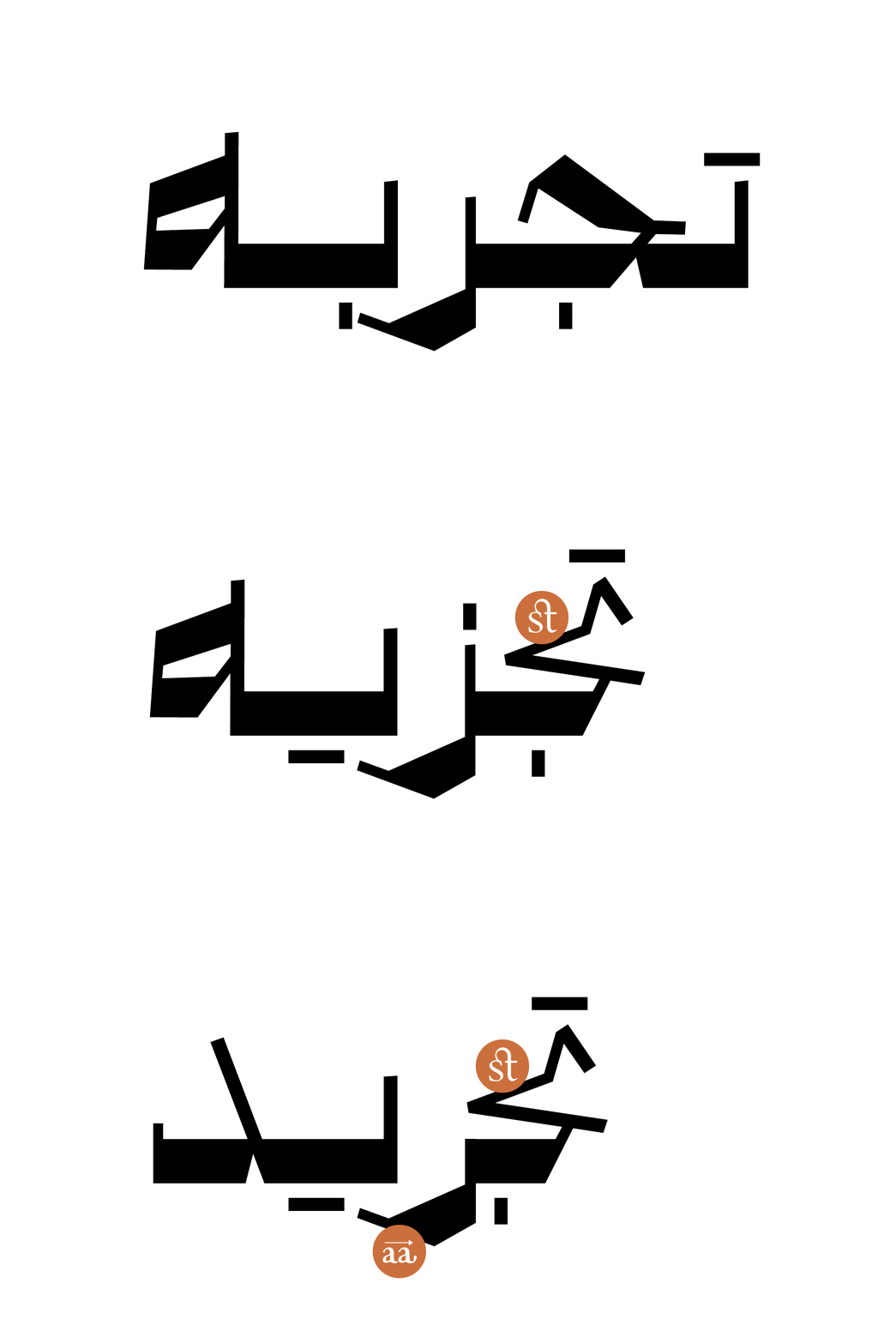
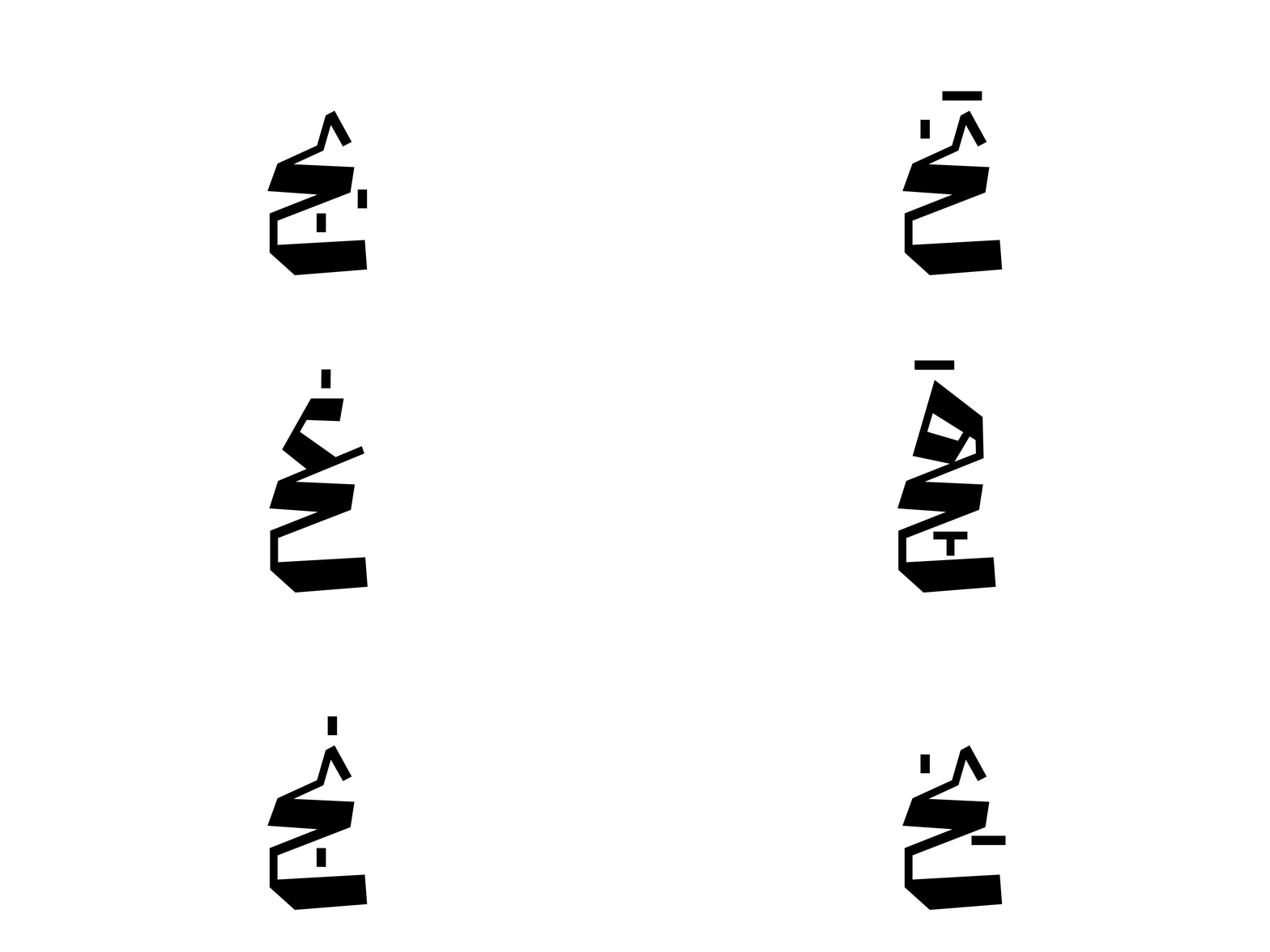
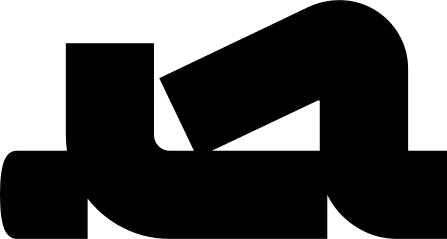
Enable Discretionary Ligatures in the OpenType settings to access alternative letter combinations for endings like “ج، ح، خ”، “ر”، “هـ” and “ي”.
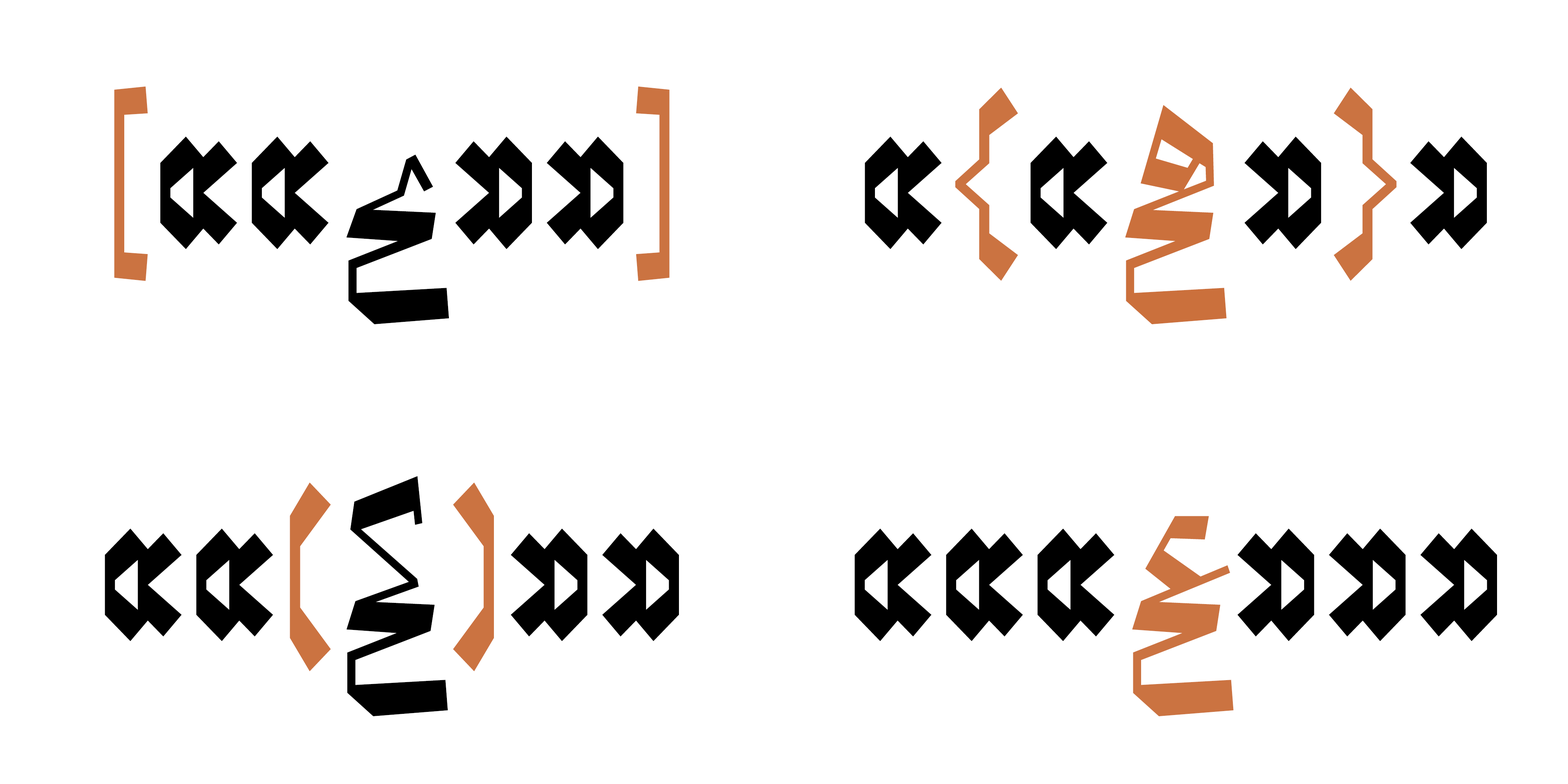
By enabling Stylistic Alternates in the OpenType settings, you can control certain kashida behaviors and alternate forms of “ر، ز”.
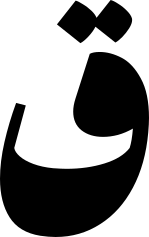
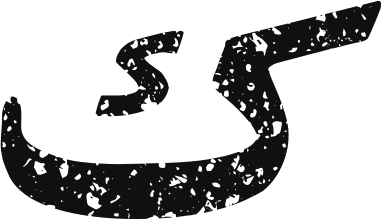
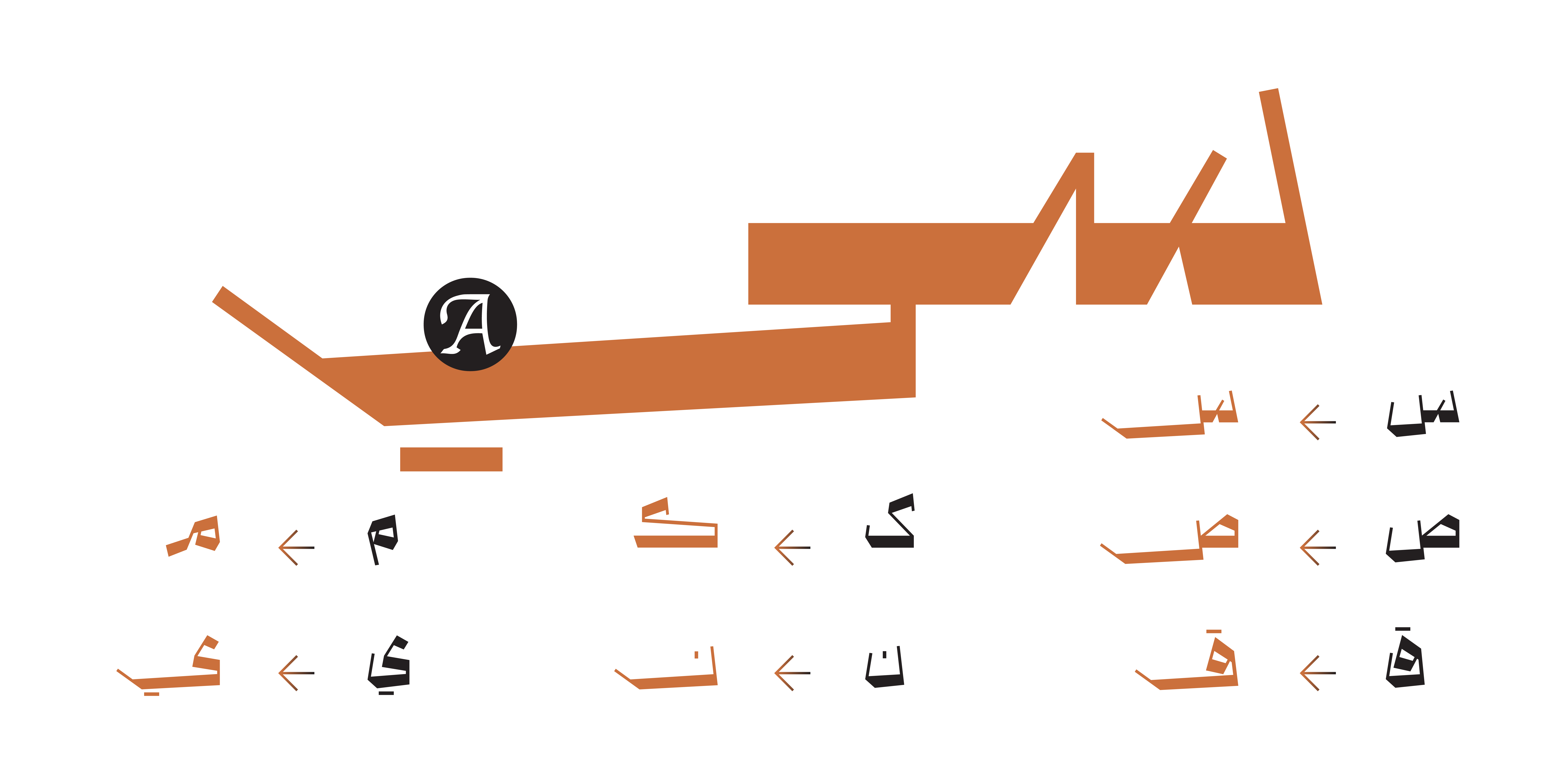
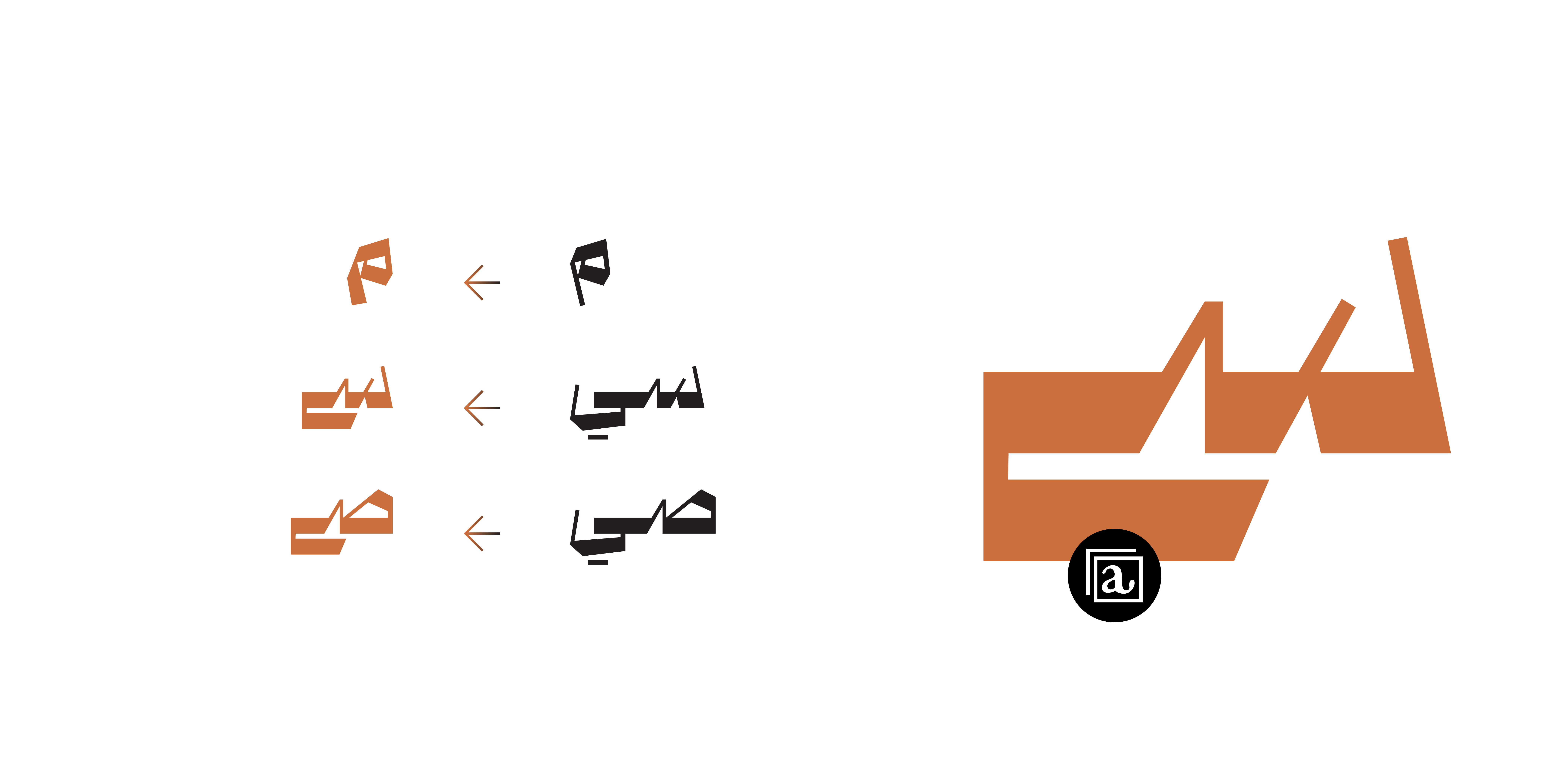
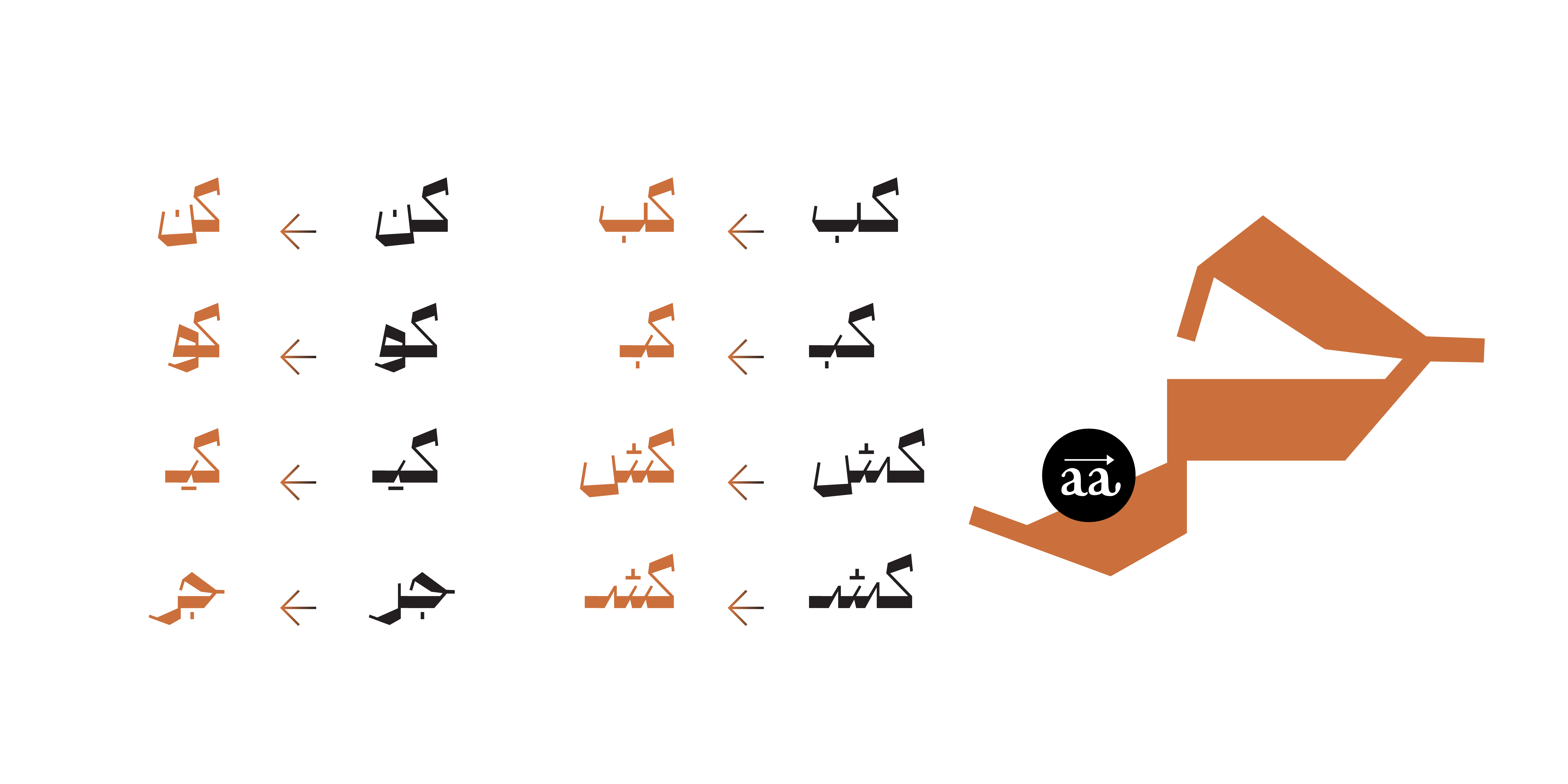
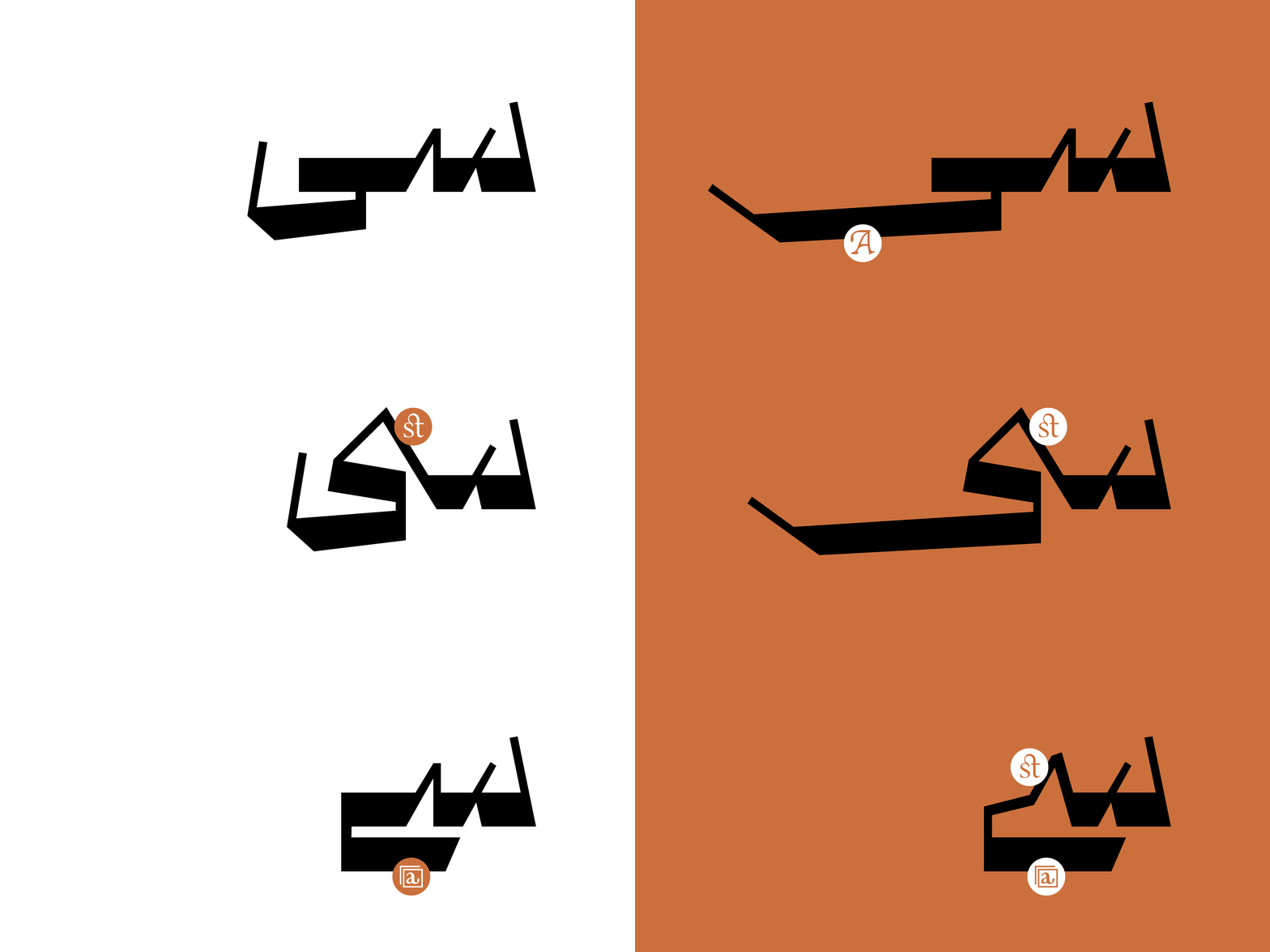
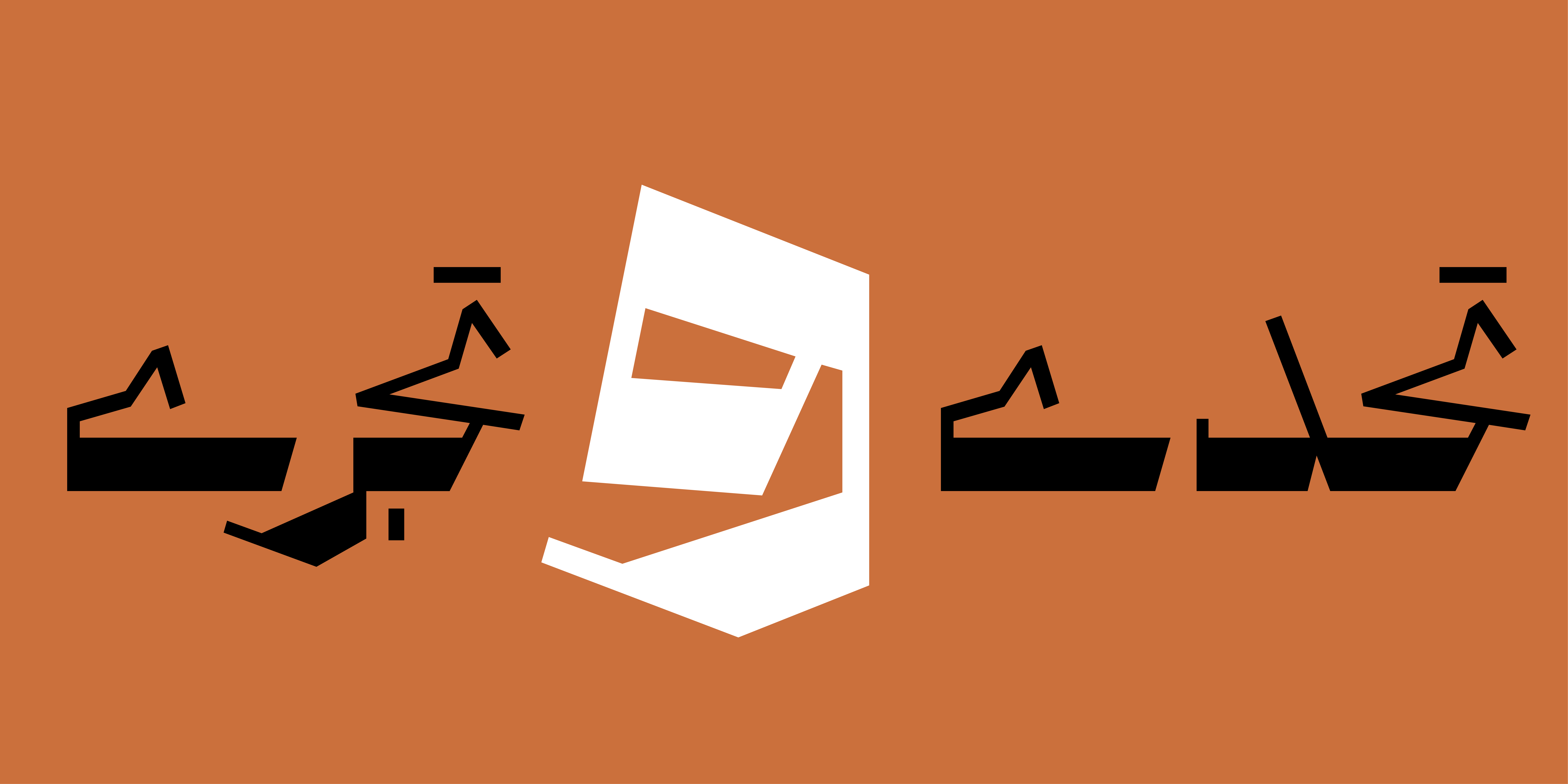
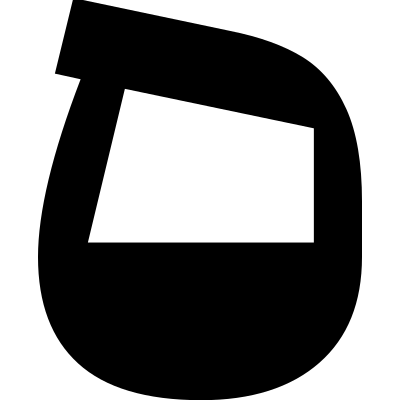
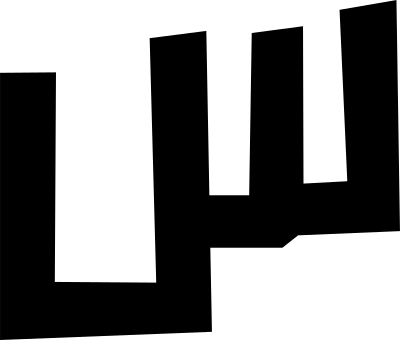
Enabling Stylistic Sets in the OpenType settings provides alternate forms of “م” and “ي”, while activating Swash gives access to extended forms of “س، ص، ق، ک، ن، م، ی”.
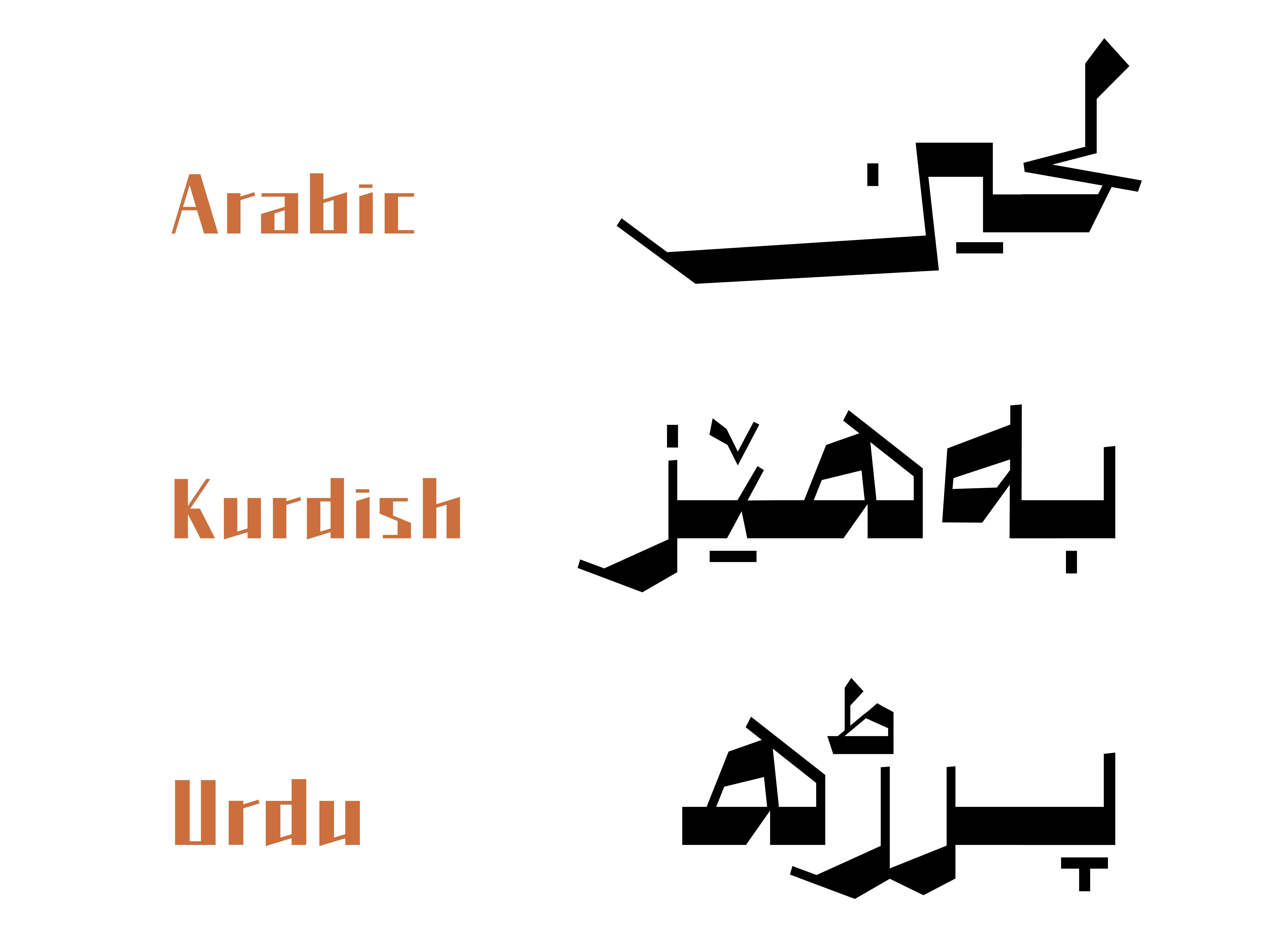
Nevesht supports Arabic, Persian, Kurdish, Urdu, and English.
-
Main fonts: one weight in TTF format
- Webfonts: one weight in WOFF and WOFF2 format
-
Guide: usage guide for alternate characters
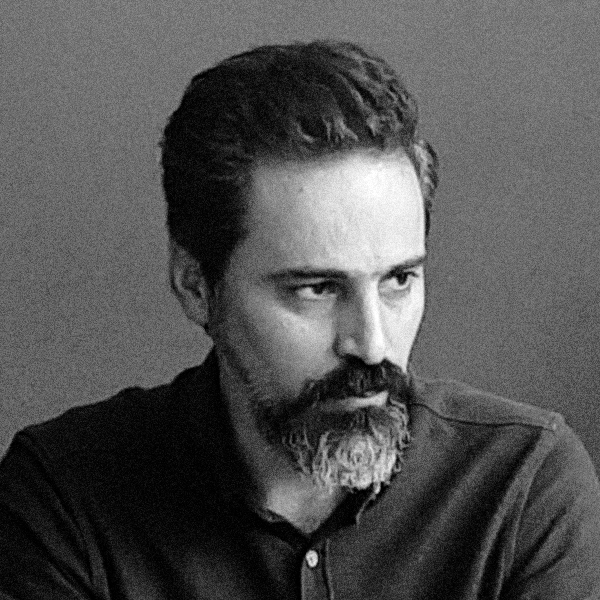


Born: 1981, Shiraz, Iran Education: BA in Painting, Yazd University, 2010 MA in Visual Communication, Soore University, Tehran, 2013 Experience: Graphic Designer and Art Director, 2003 - present




















Comments
Recommended Posts
Nostalgic Arabic Fonts: Reviving the Beauty of the Past
Top Arabic Fonts for Ramadan and Eid Design
Arabic Fonts for Books & Magazines: From Print to Digital
Techno Typeface; A Look at the Design Process and Logic
What features does an ideal subtitle font have?
Selected Fonts of 2025 in the TDC Competition
13th GRANSHAN Type Design Competition
Golpayegani Typeface creation