

























Rooyin


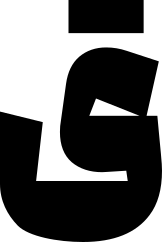
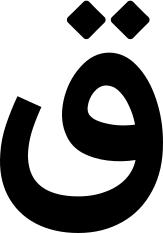
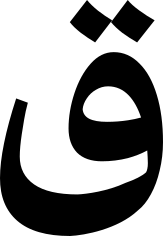
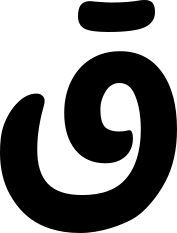
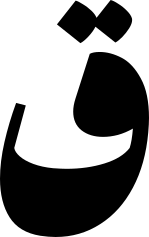
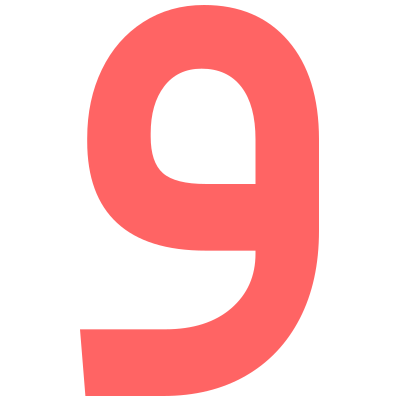
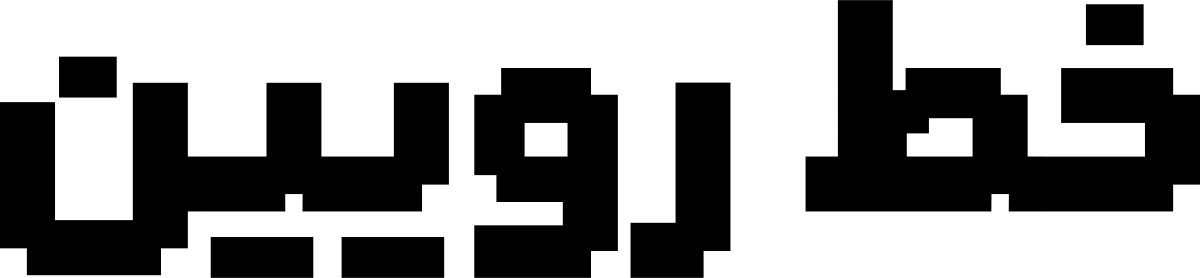
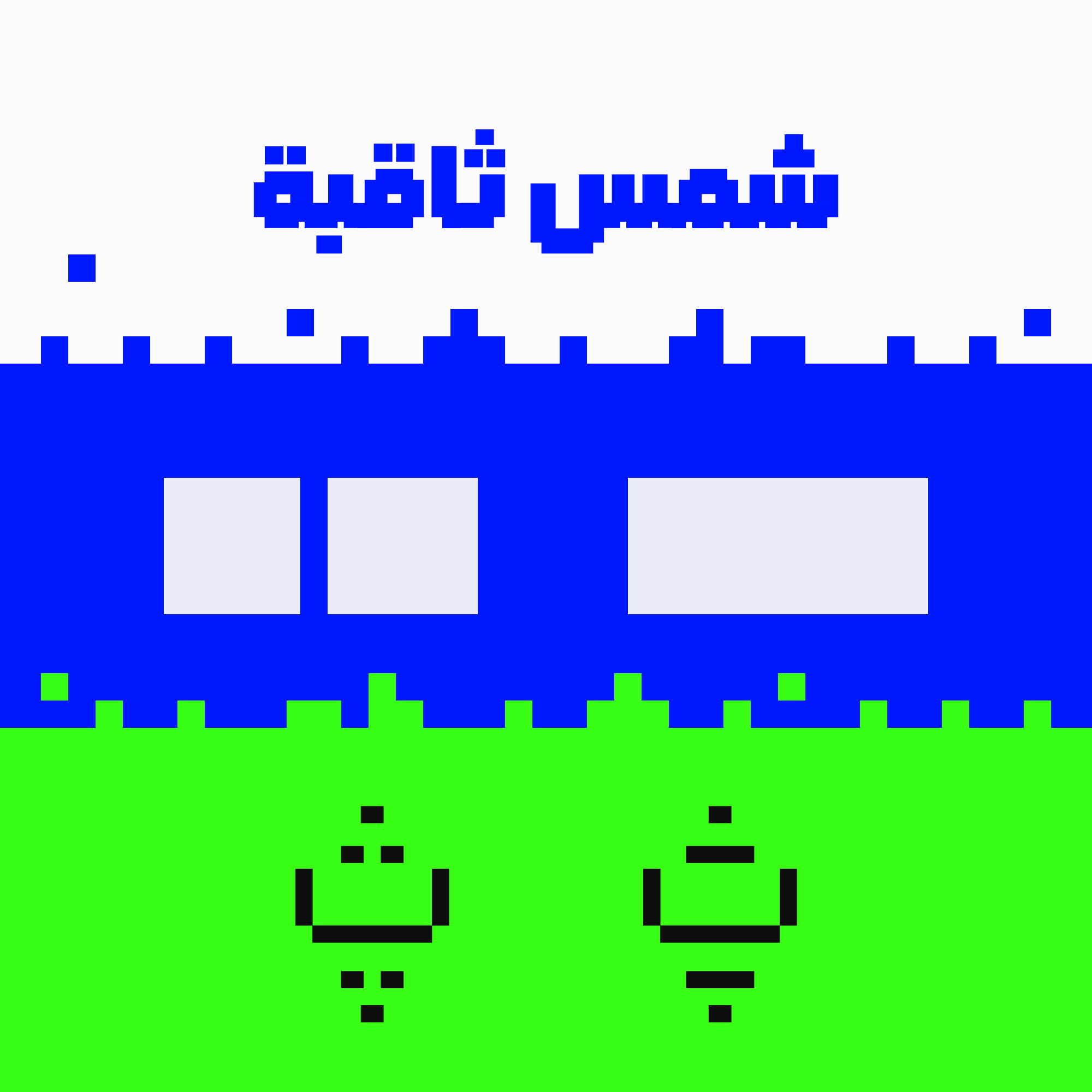
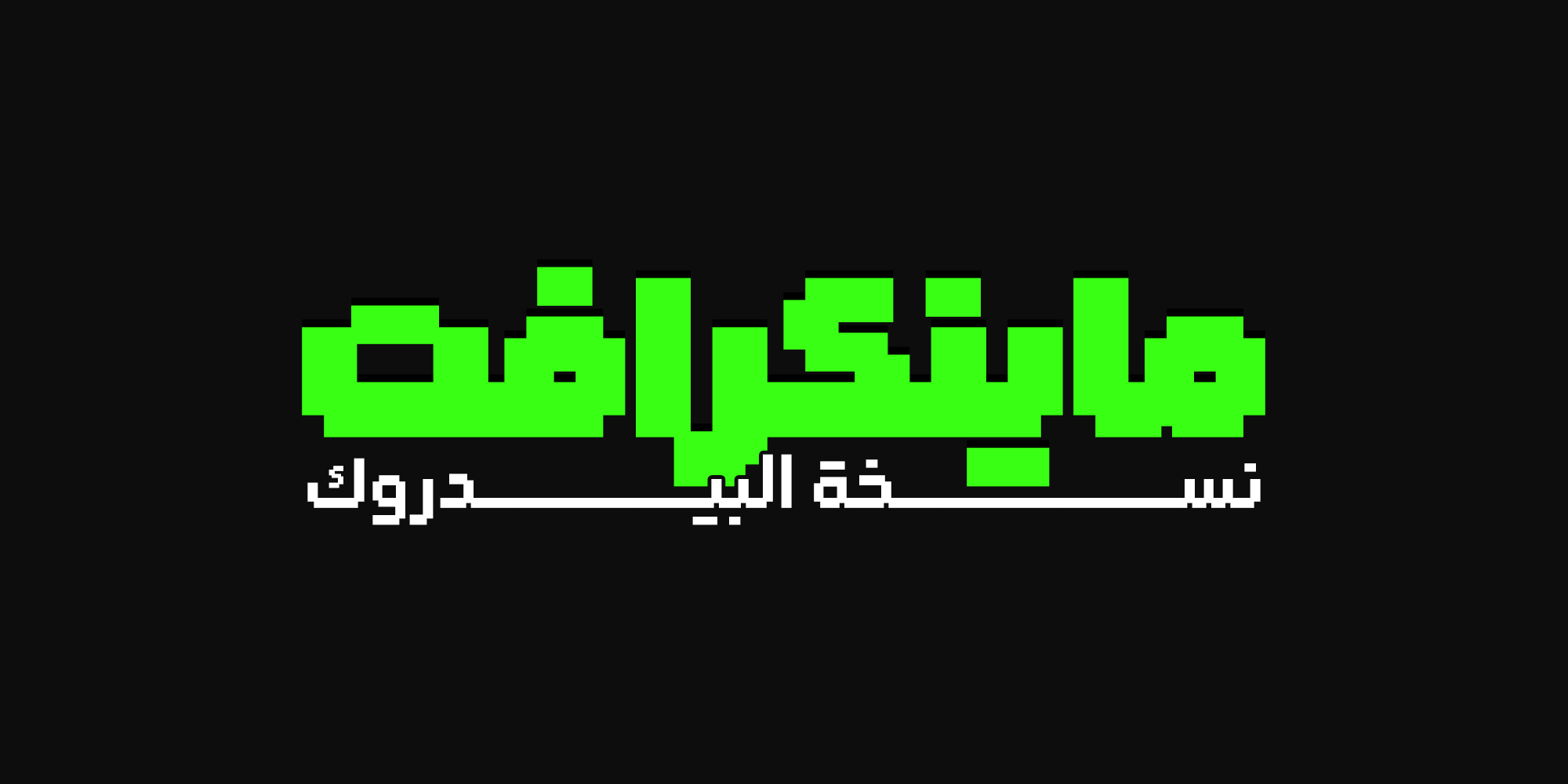
Rooyin typeface is an attempt to use pixel art in text.
Creating a font that evokes the feel of pixelated fonts while being easy to read in Persian is an impossible task, yet Rooyin has made it possible. Rooyin's structure is similar to that of new Persian fonts, and it evokes a modern font feel
 Font Licensing
For an additional user to use the font.To share the font with your designer or project partner. (details)
For one website or app and to share the font with 2 additional project partners. (details)
For small businesses to share the font with 5 additional employees and use it on one website.(details)
For unlimited use by companies in all their activities. A website builder, website templates and services that allow users to type with the font. (details)
Rooyin
Rooyin Typeface
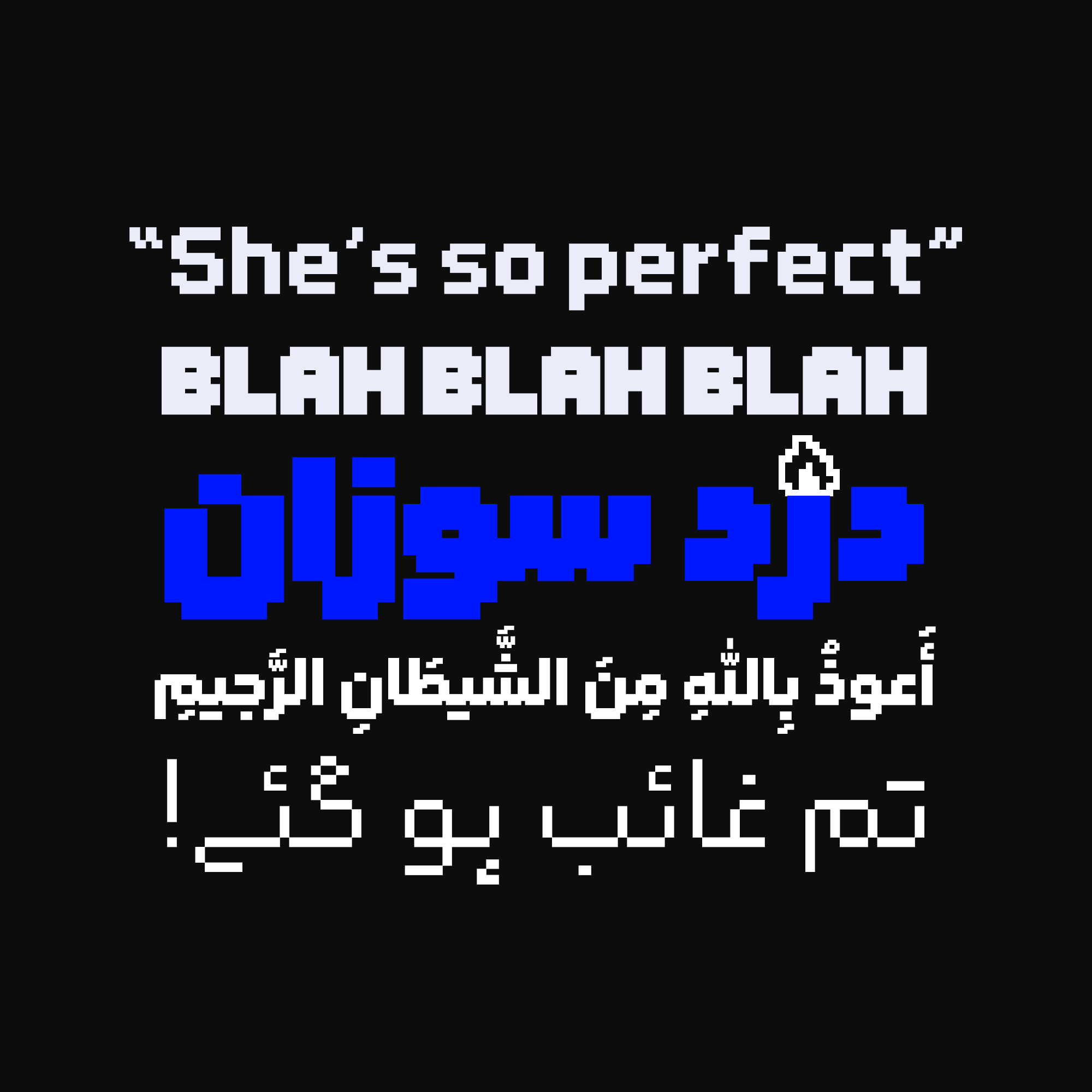
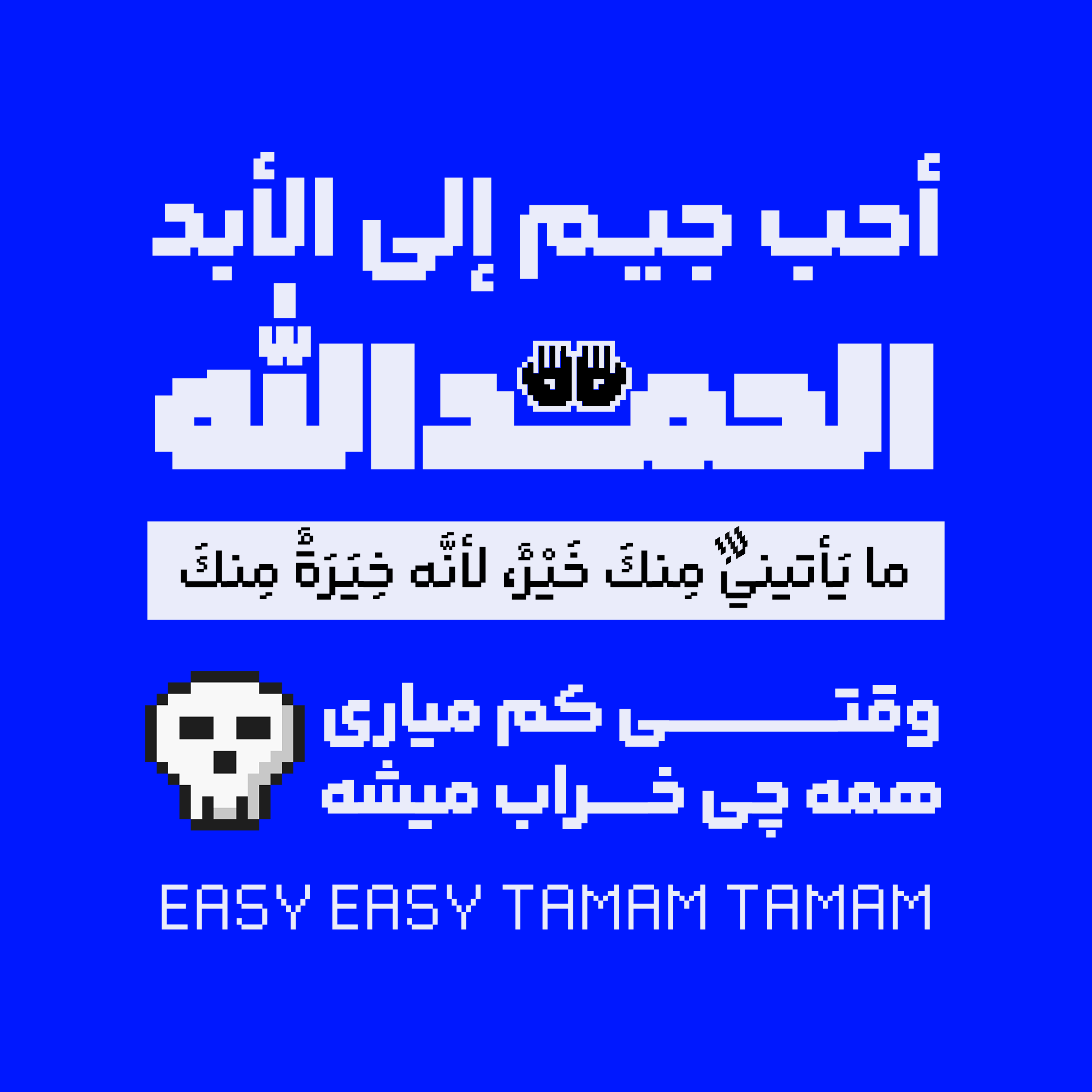
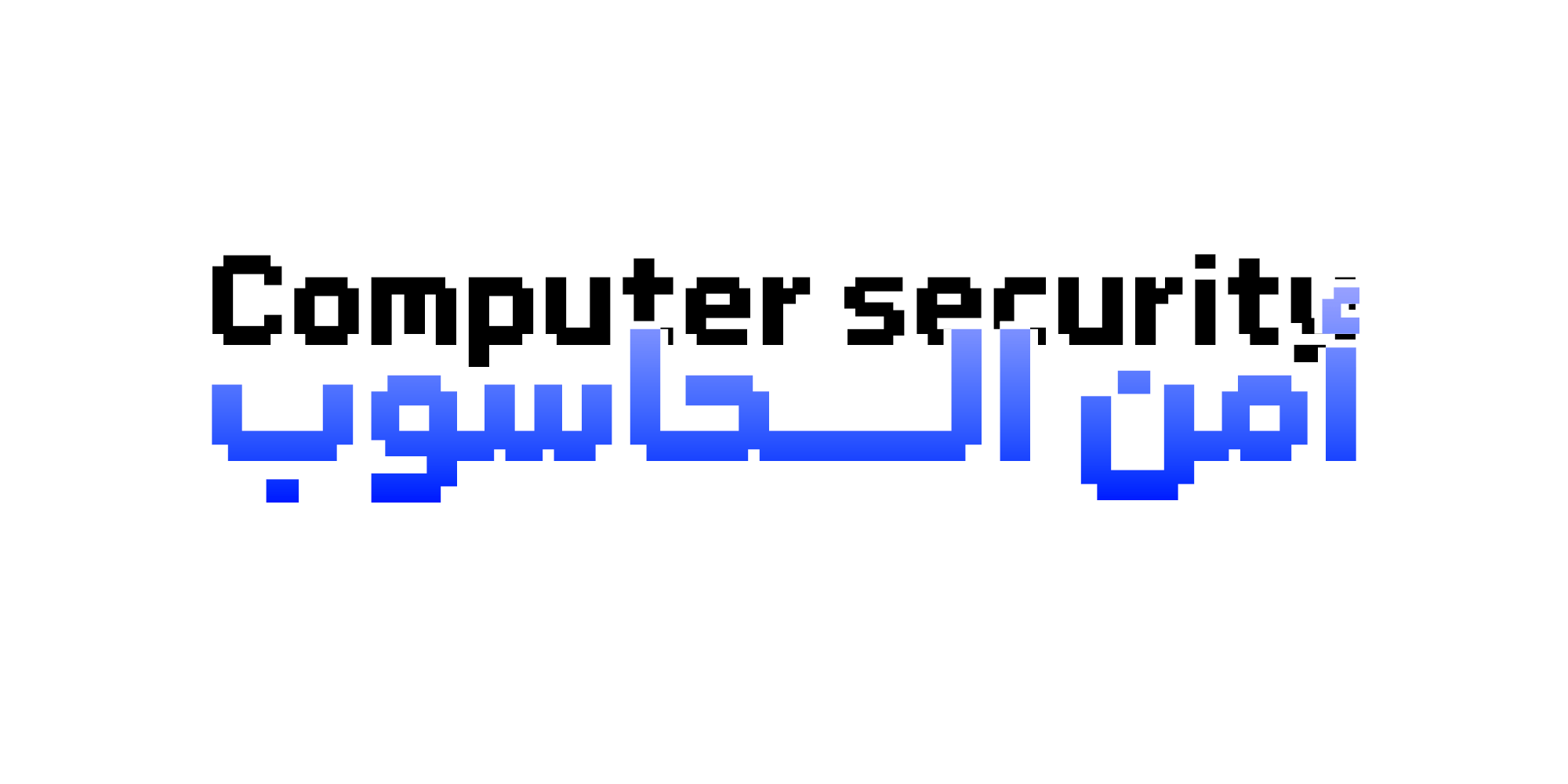
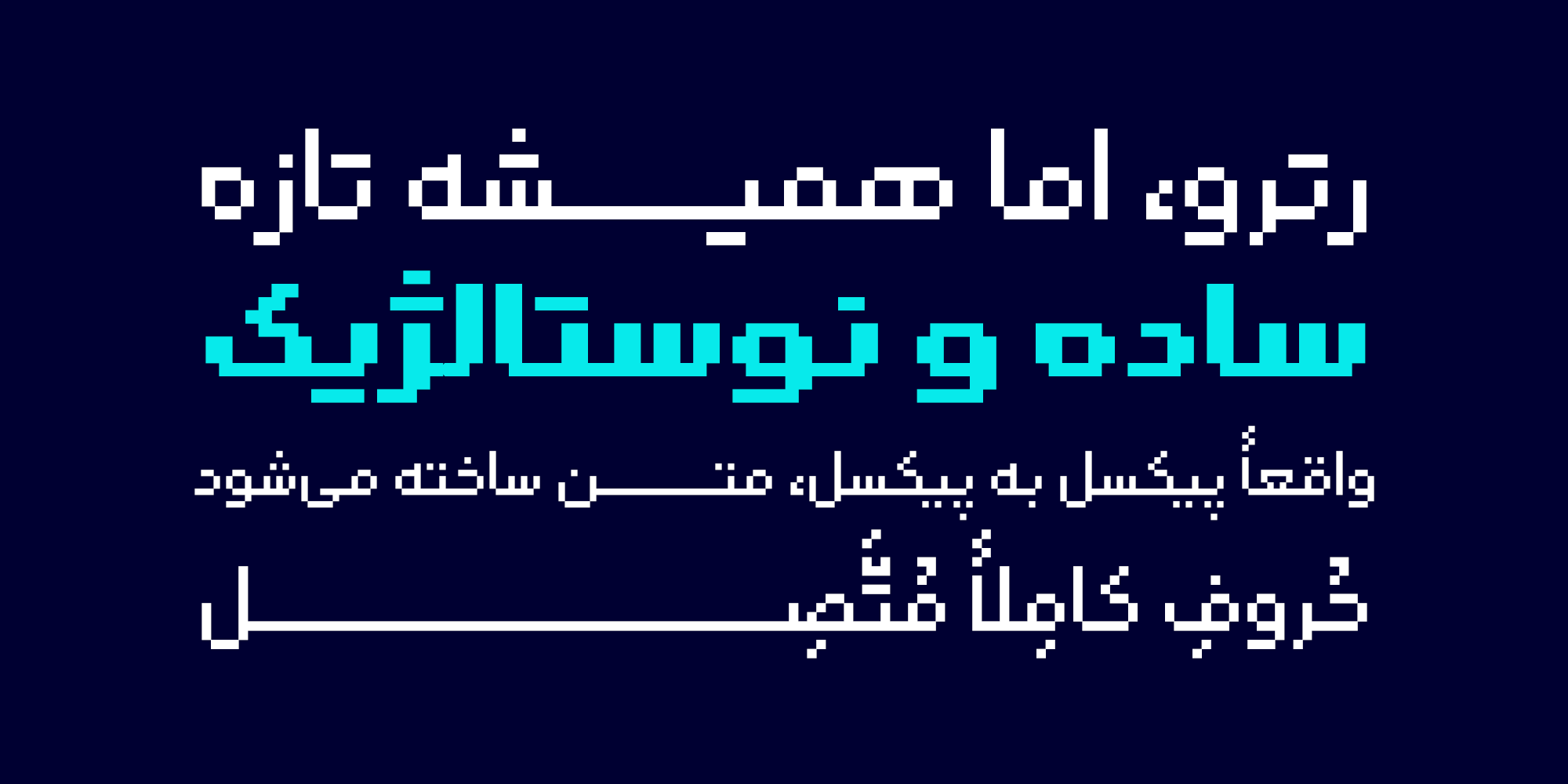
Rooyin is a Persian pixel typeface with a strong focus on readability and familiar letterforms. Its combination of visual and technical features gives Rooyin a serious, modern, and contemporary tone. While it is well-suited for pixel-based designs, Rooyin also works effectively in projects aimed at teenagers and young audiences. Additionally, it can be used in certain computer- and technology-related contexts.
The name Rooyin originates from the Shahnameh and means “strong”.
Variable Axes
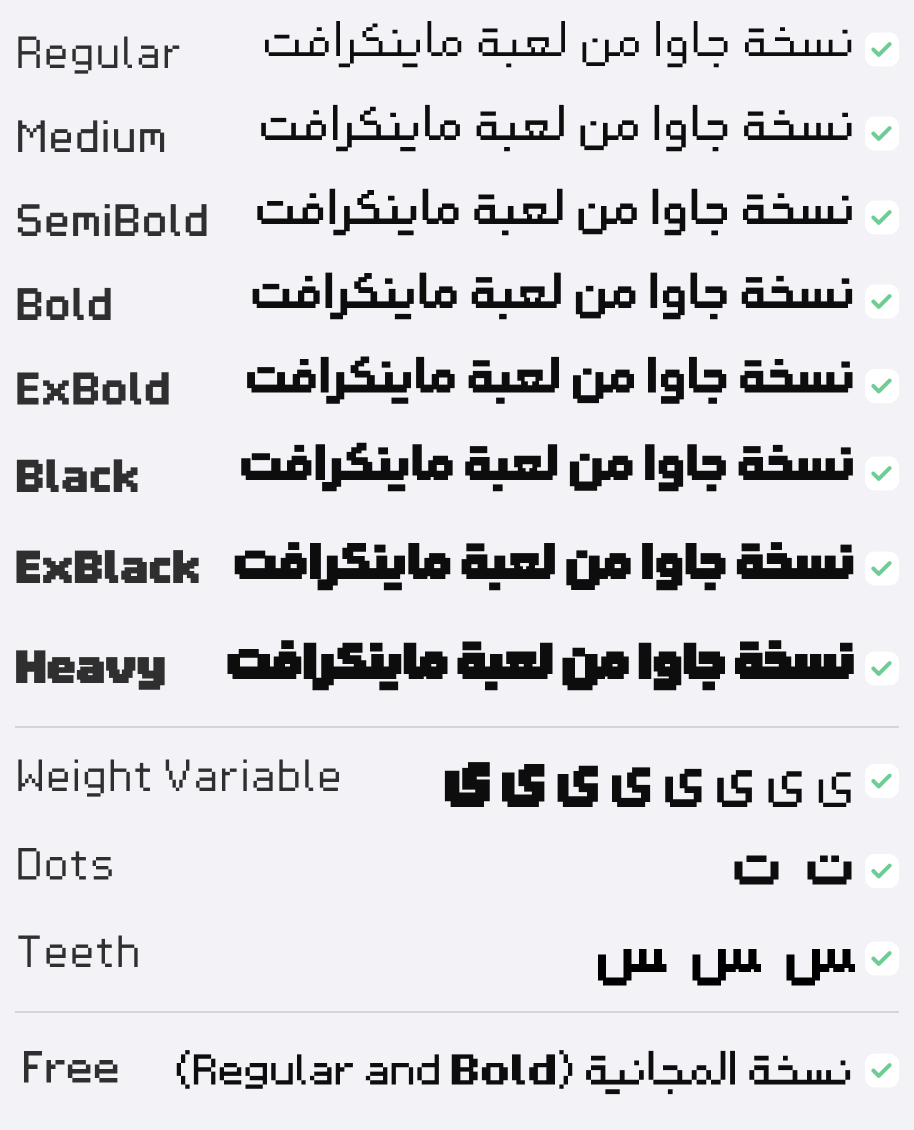
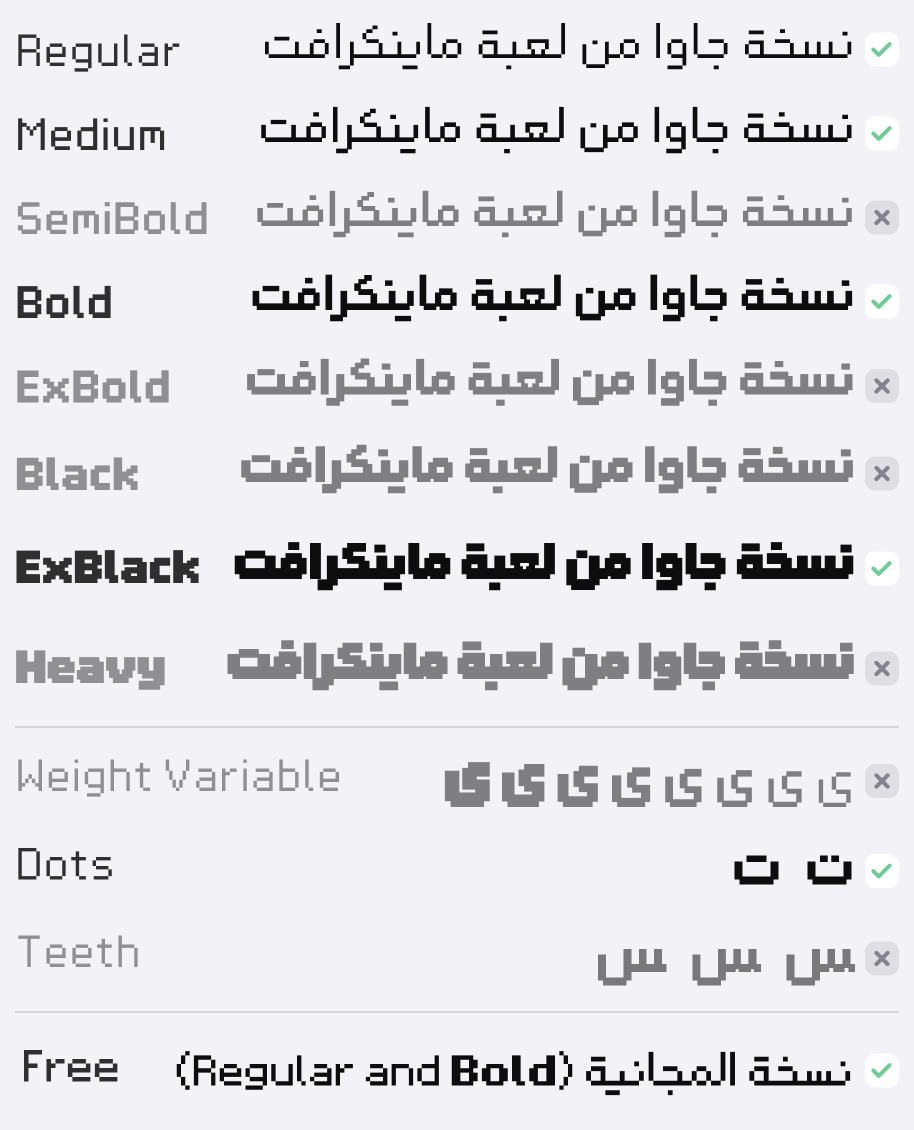
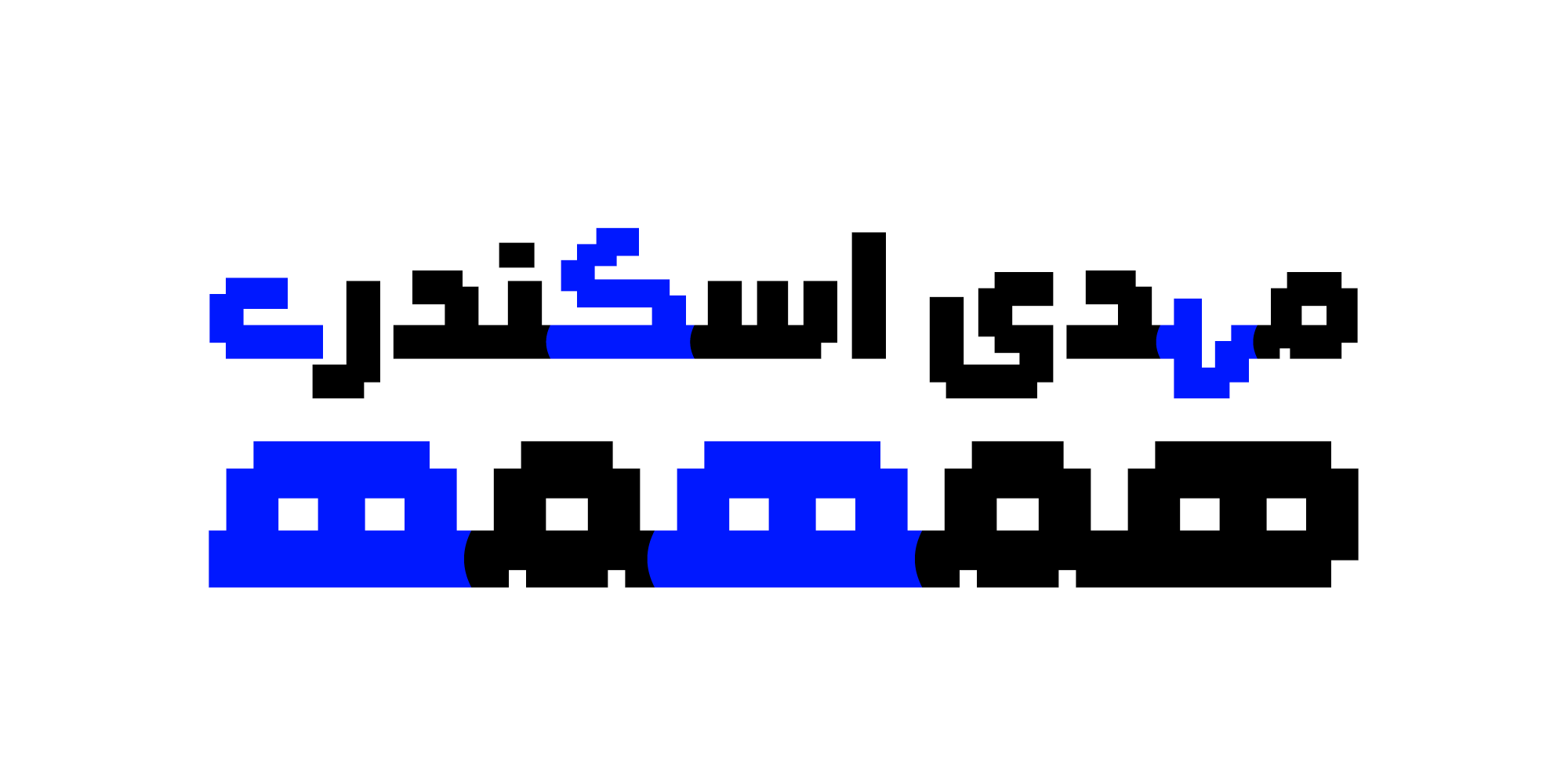
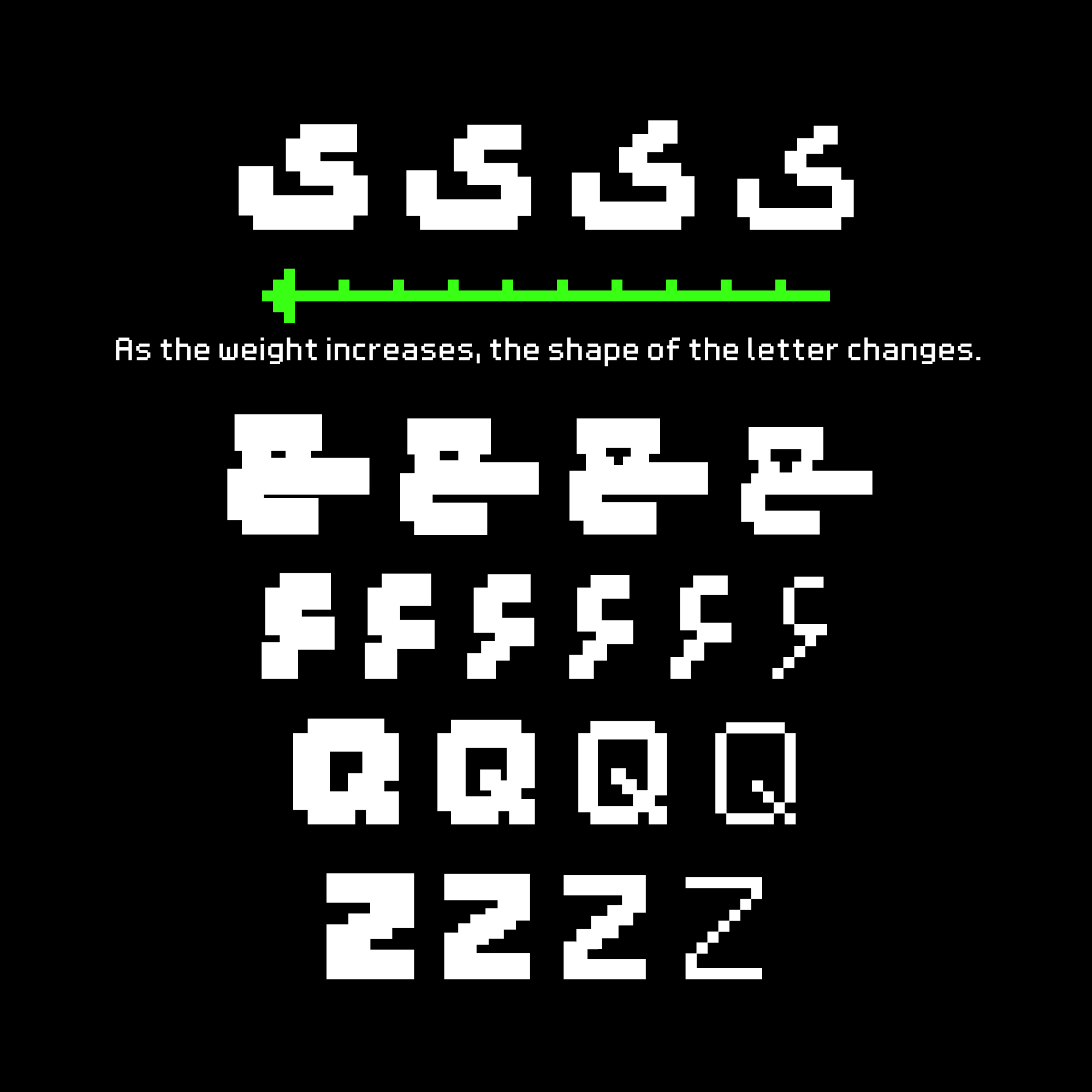
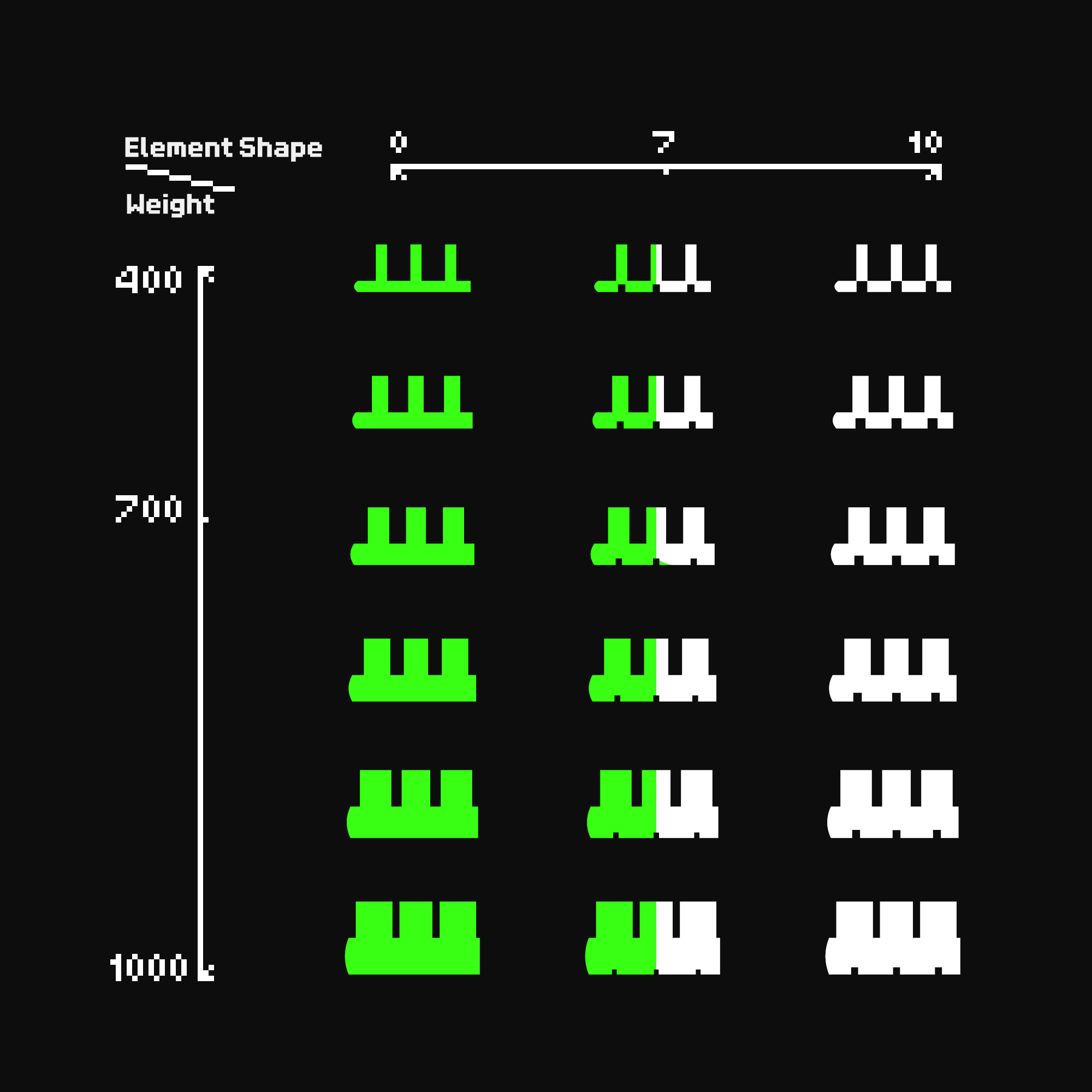
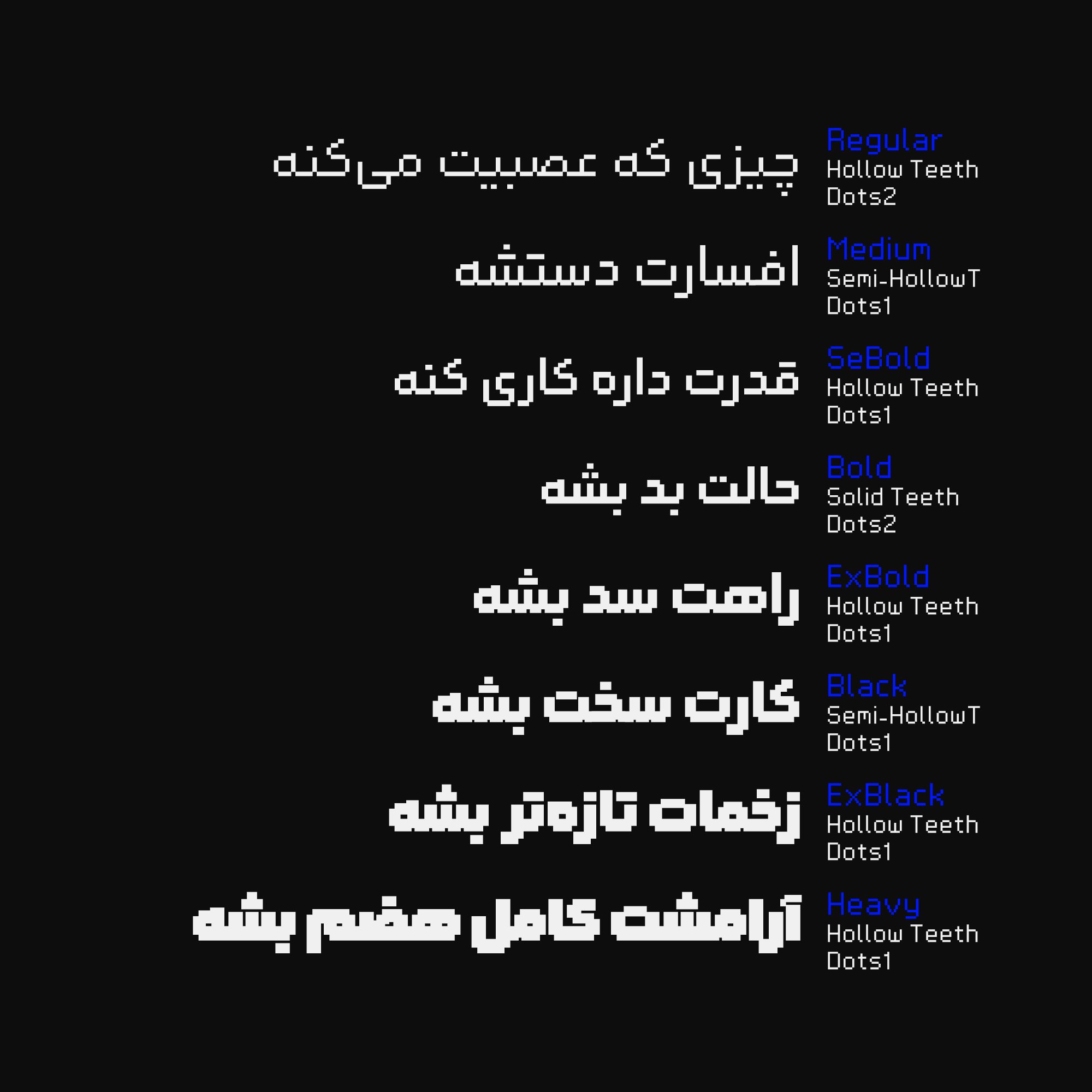
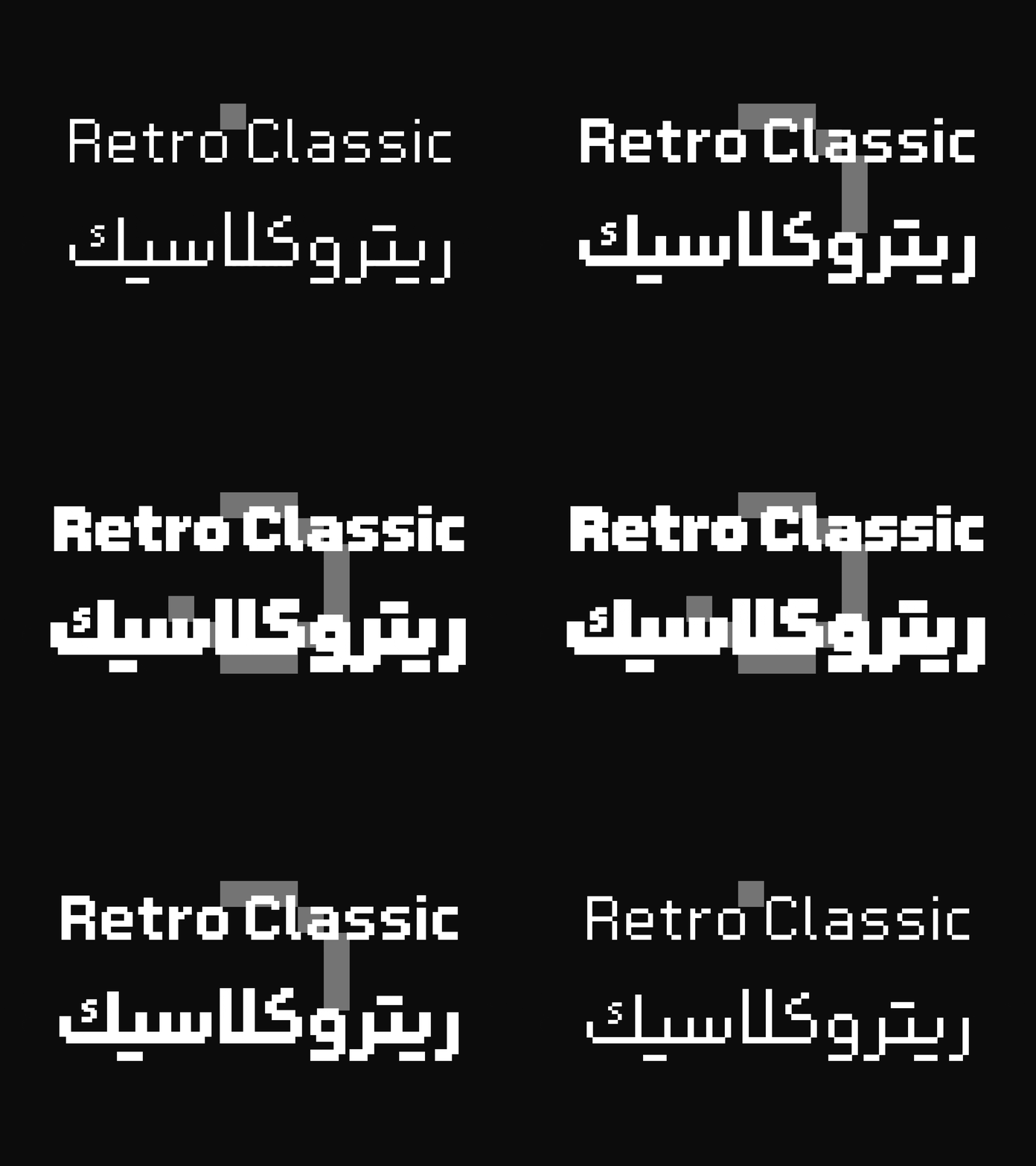
Rooyin includes multiple weights, ranging from Regular to ExtraBlack, allowing it to adapt to a wide variety of use cases.
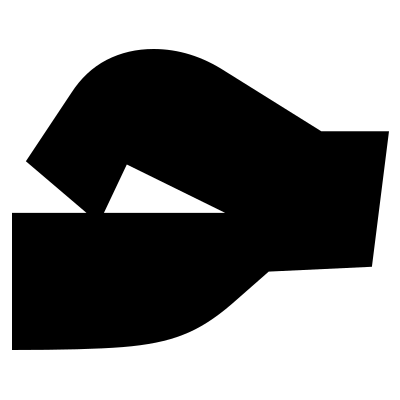
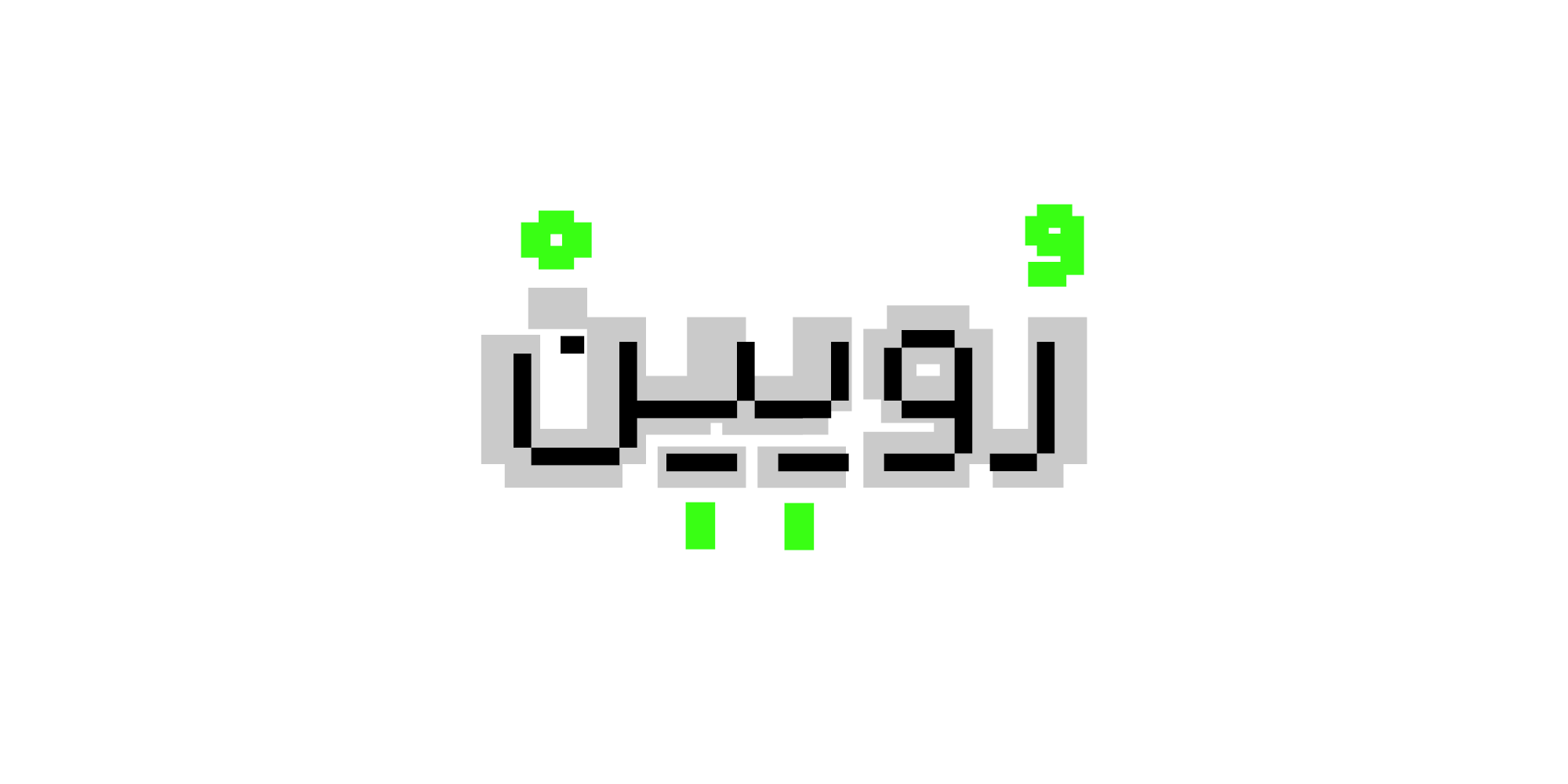
A new custom variable axis has also been introduced, enabling the pixel “teeth” to switch between Hollow and Solid styles. When the teeth are solid, the typeface appears more serious and firm; when hollow, it becomes more playful and dynamic.
Rooyin features a dot style variation axis.
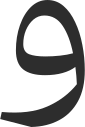
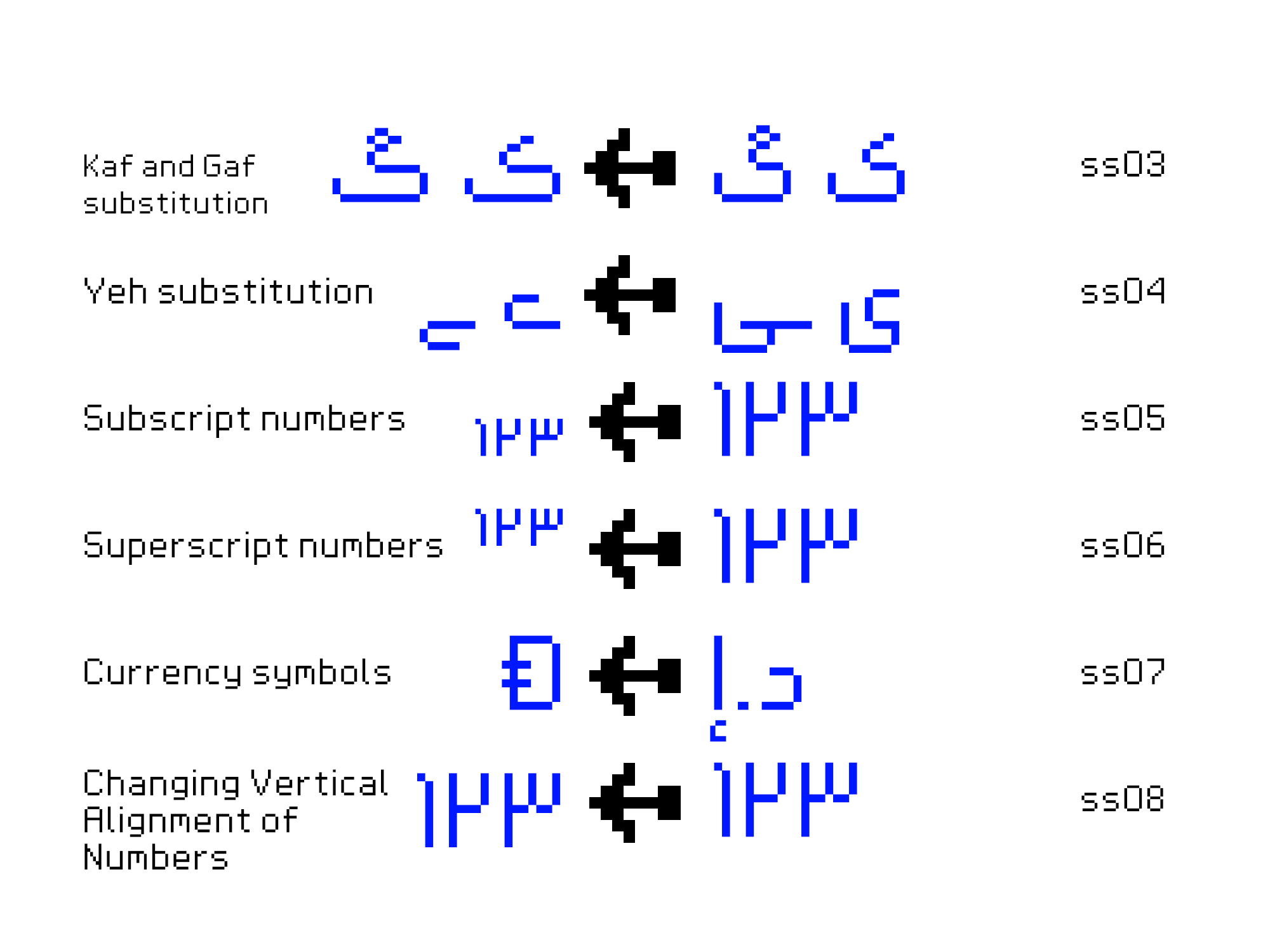
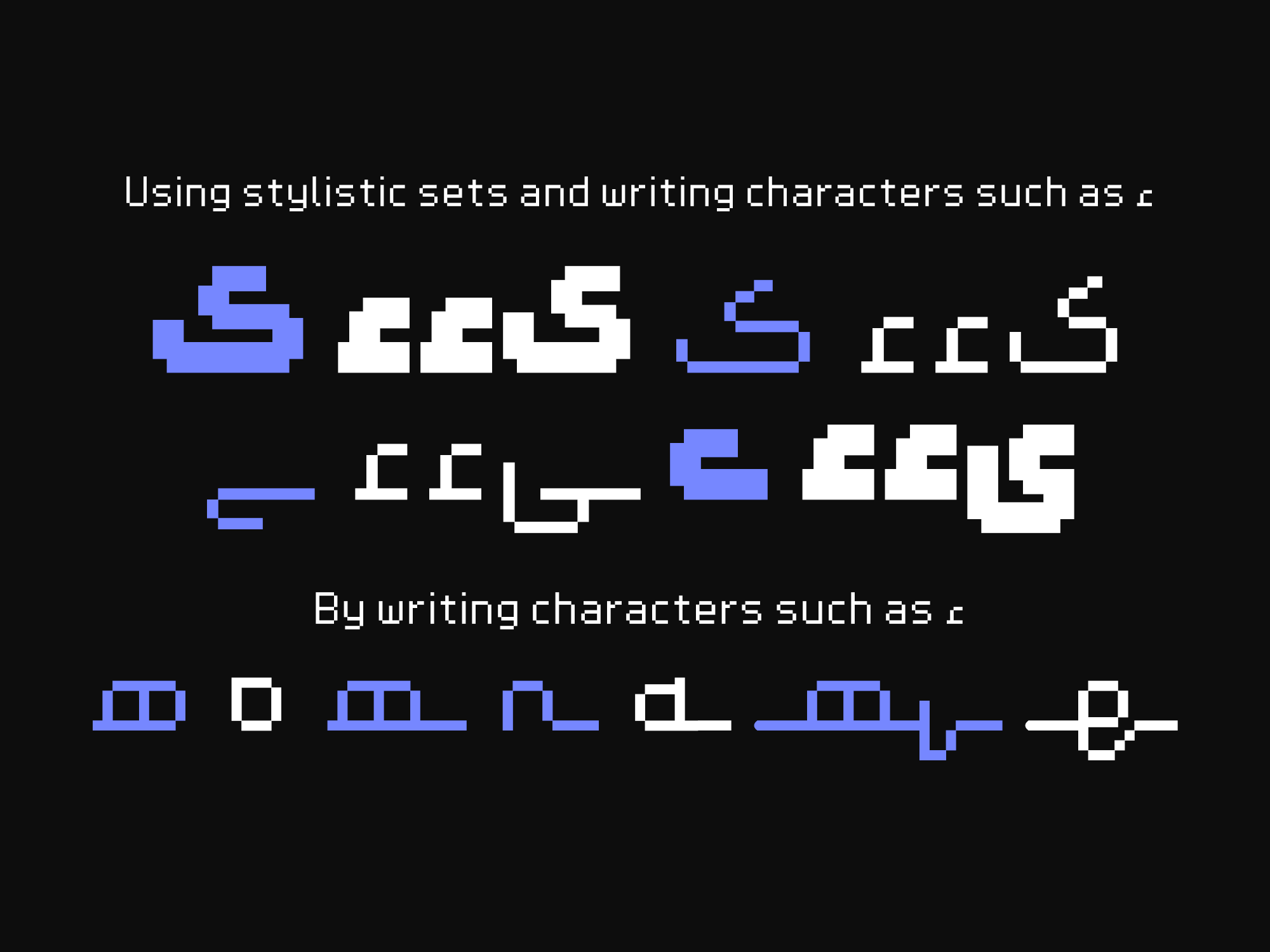
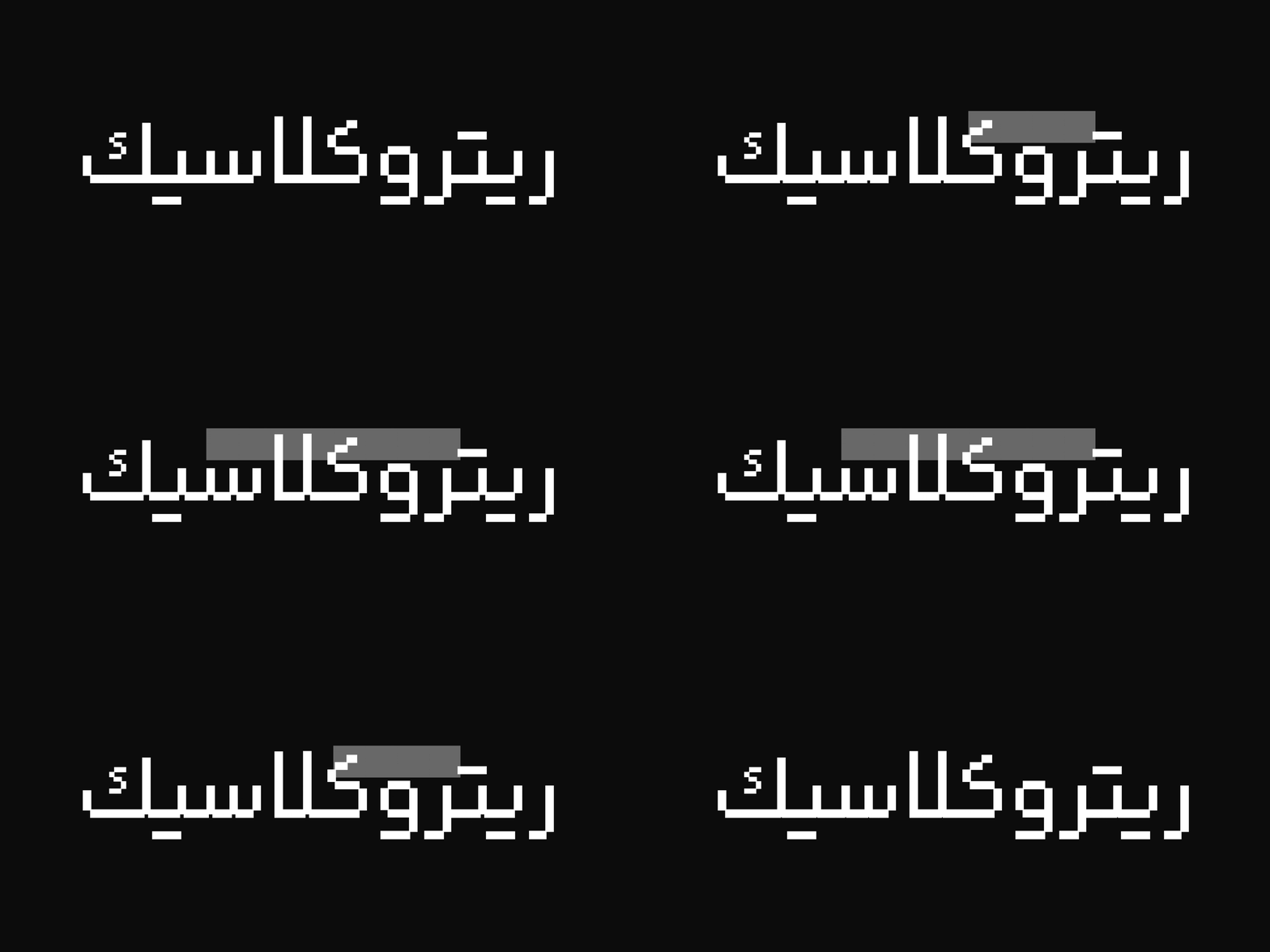
Due to the inherent limitations of pixel-based design and careful attention to letter aesthetics, Rooyin intelligently applies contextual alternates to many letters, symbols, and numerals. These alternates do not affect text spacing and do not disrupt the overall texture of the text.
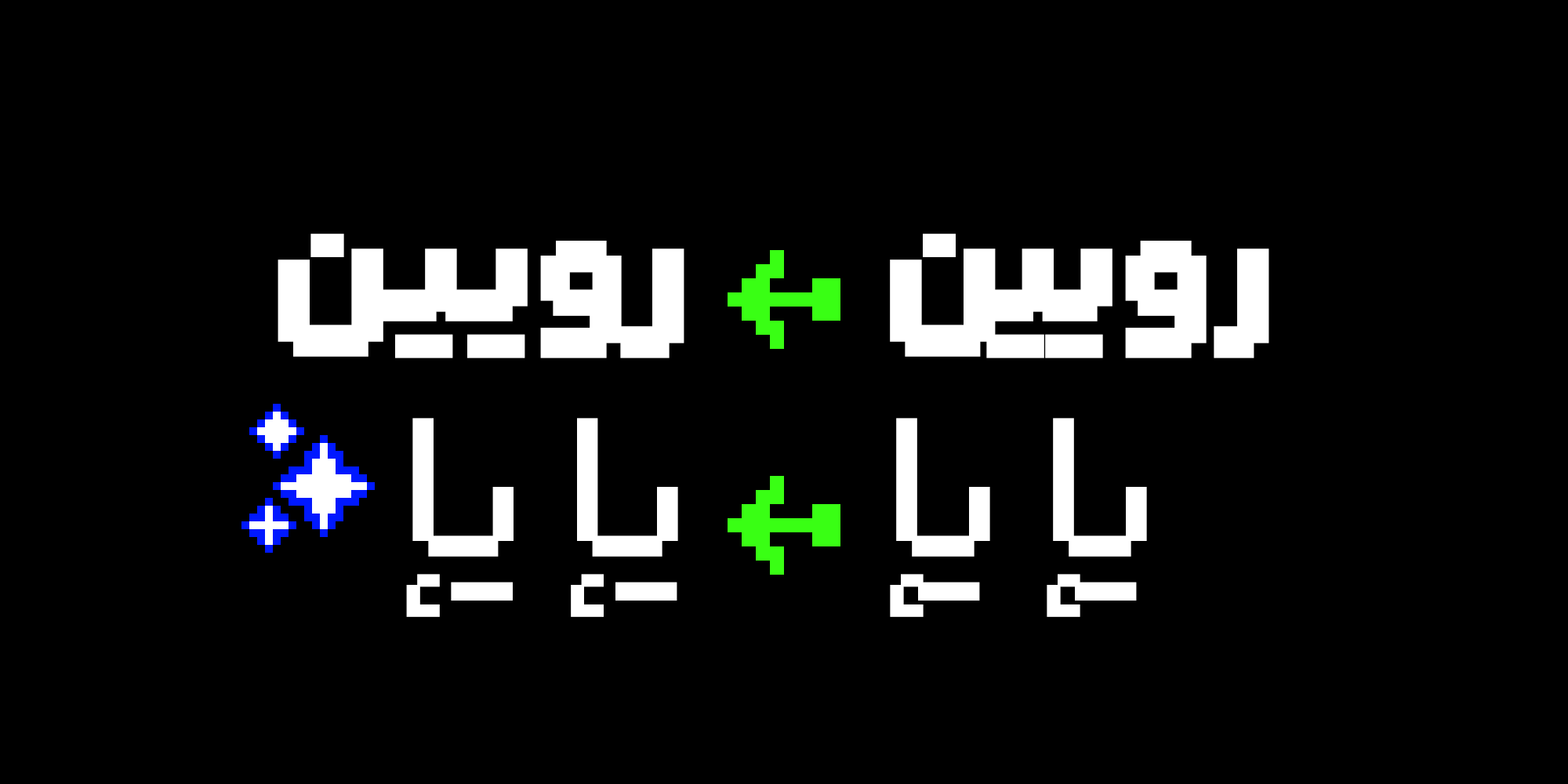
Like other modern standard typefaces, Rooyin uses required substitutions for certain dotted letters to properly manage their interaction with surrounding characters.
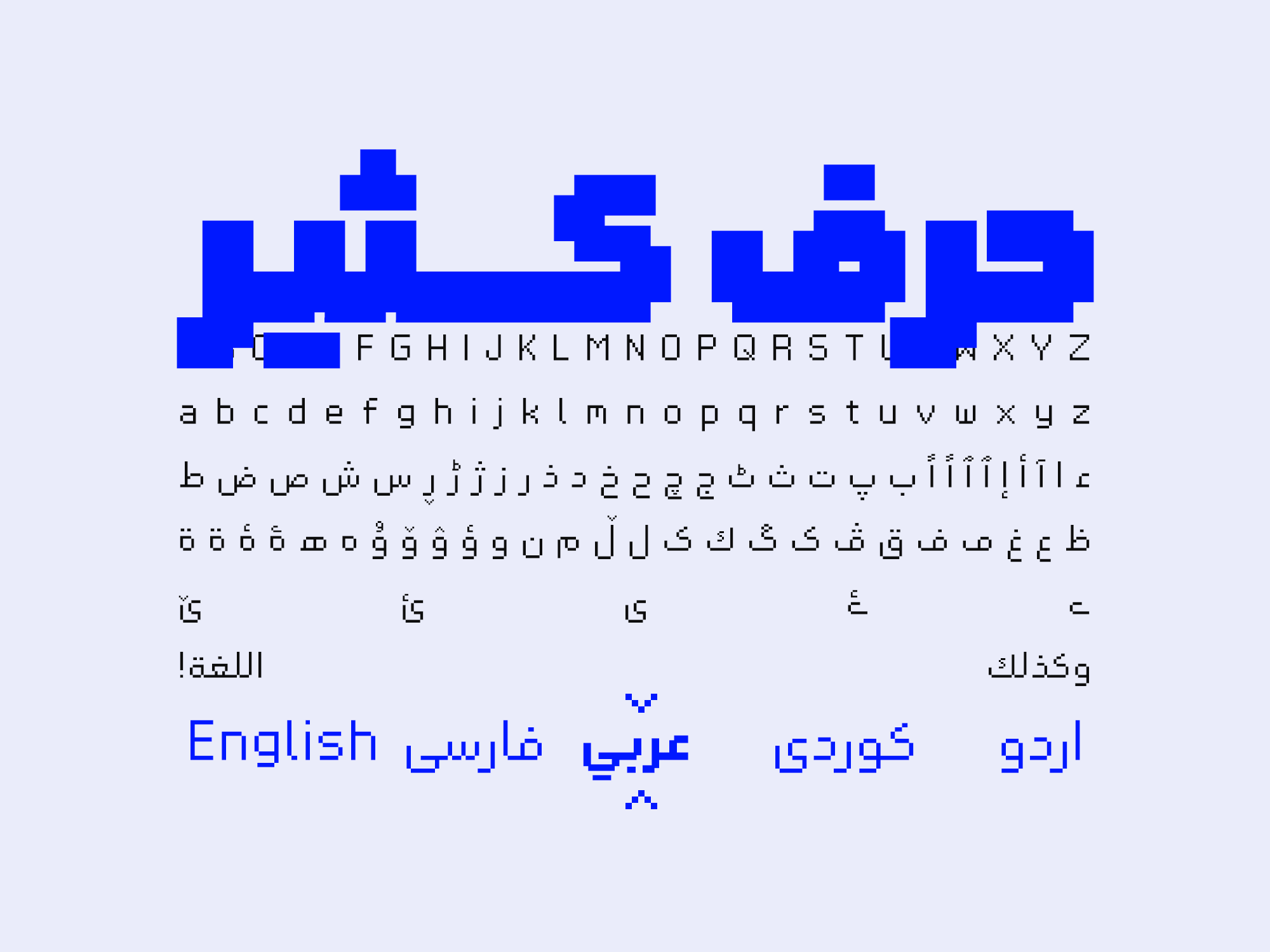
Language Support: English, Arabic, Kurdish, and Urdu
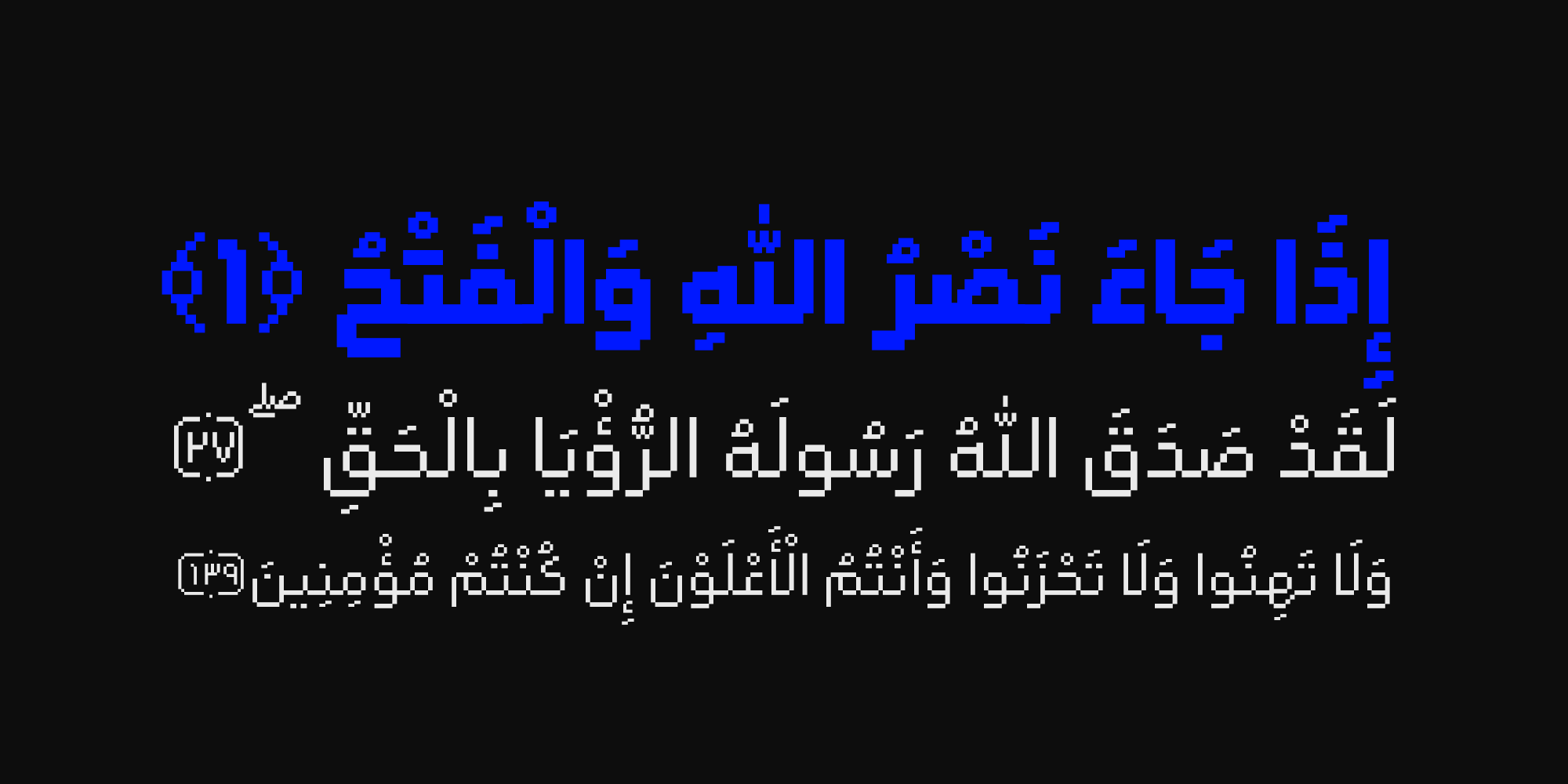
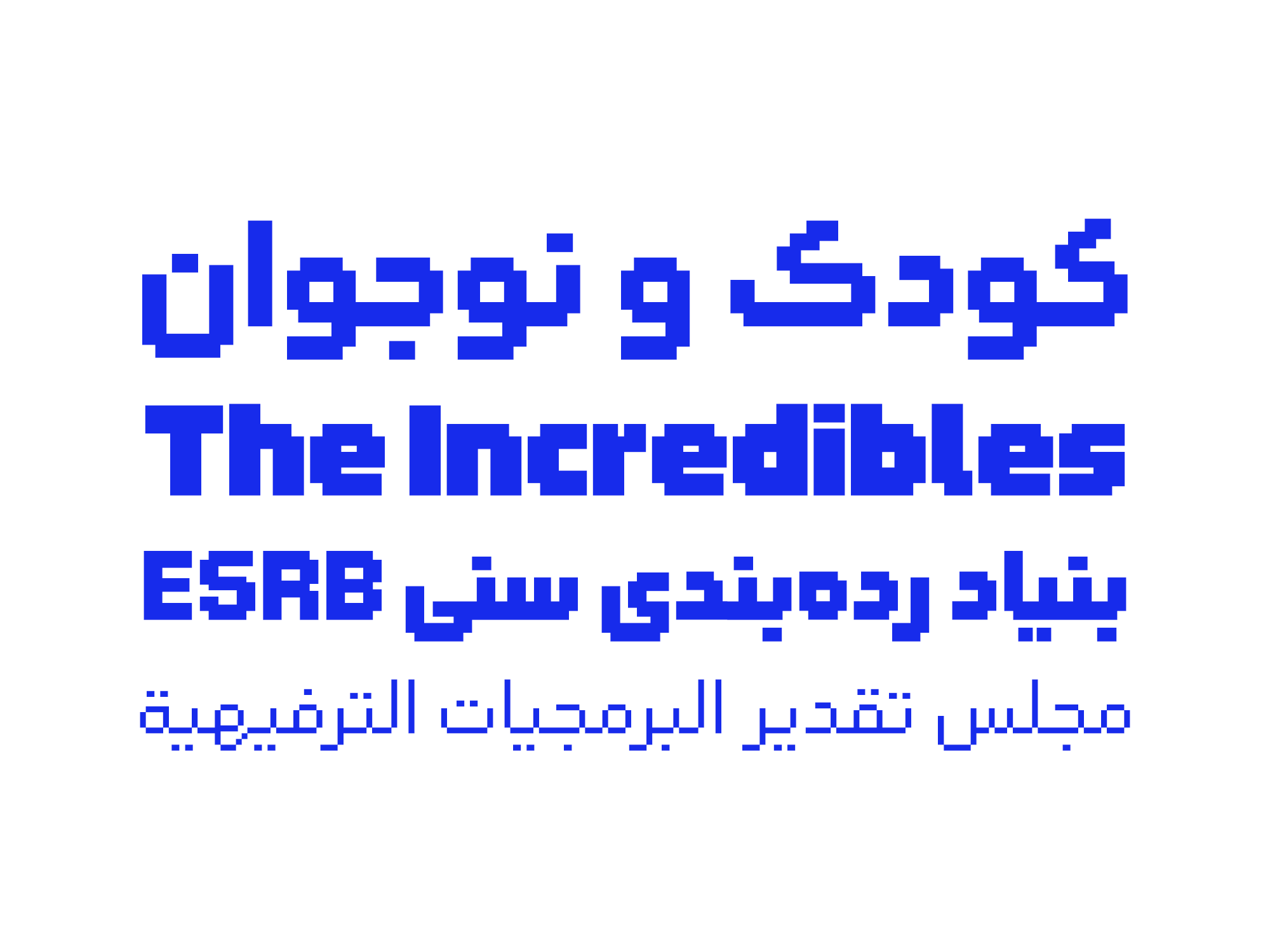
Rooyin supports Arabic, Kurdish, and Urdu languages. In addition, a complete set of custom-designed Latin (English) characters has been created exclusively for Rooyin. The typeface also fully supports Arabic diacritics.
Special Features for Numerals, Currency, and Quranic Symbols
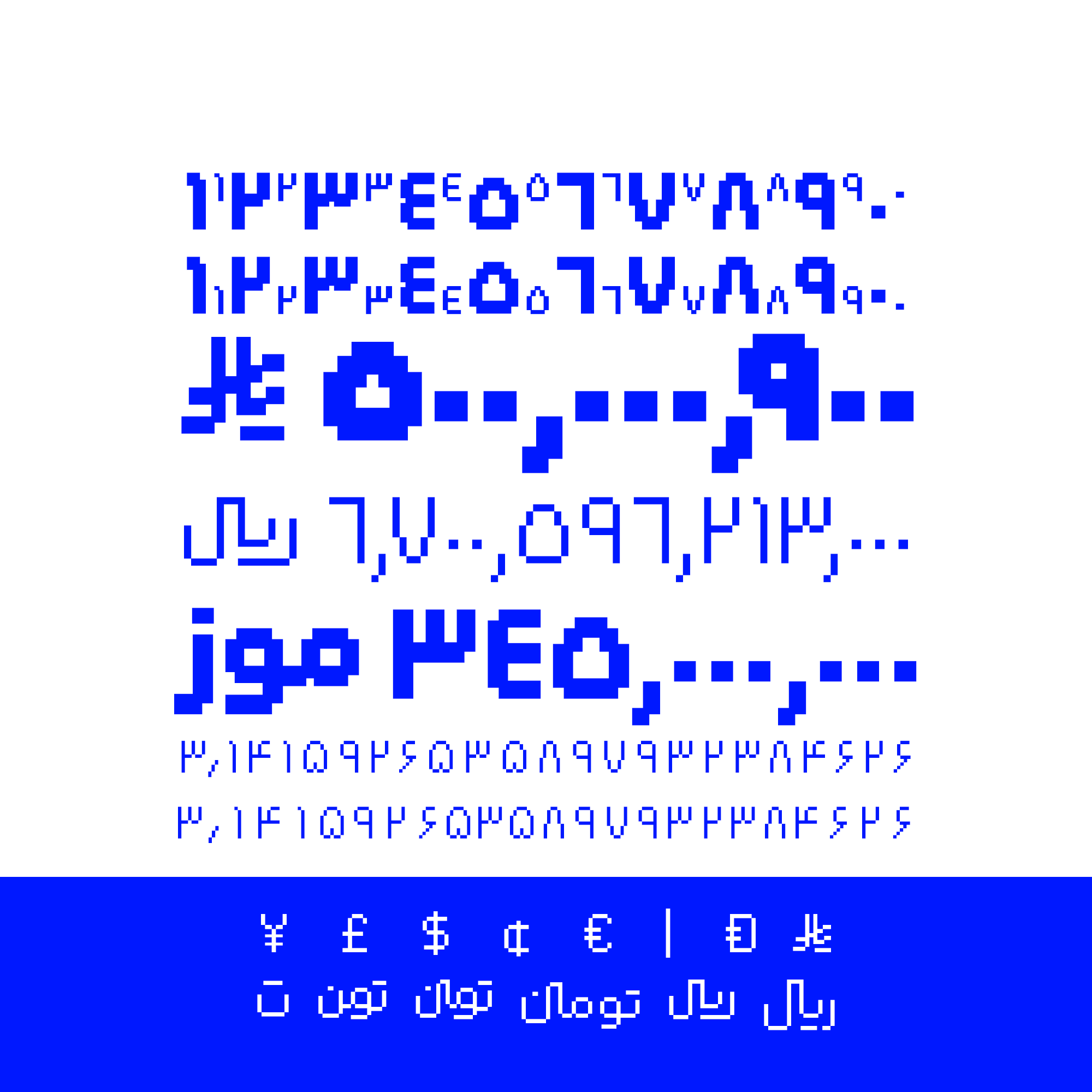
Numerals have been given special attention in Rooyin, resulting in a wide range of advanced numeric features:
Superscript numerals: small numerals aligned to the upper baseline.
Subscript numerals: small numerals aligned to the middle baseline.
Currency symbols: Rooyin includes multiple currency symbols for international, Arabic, and Iranian monetary units.
Tabular (vertically aligned) numerals: This feature is essential for UI design, ensuring that numerals align perfectly at the center.
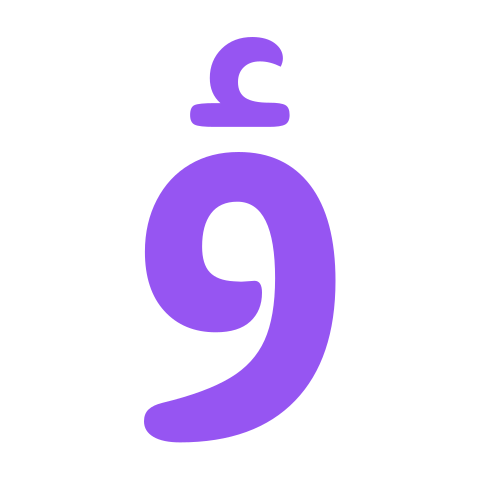
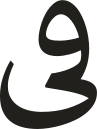
Quranic verse markers: Alongside standard verse-numbering methods, Rooyin supports a special Quranic-style verse marker used in traditional Quran samples. That said, I do not recommend using Rooyin for setting Quranic text.
Other features include:
Tabular figures
For instructions on activating these features in Adobe software and on the web, please refer to the Rooyin Typeface Manual.
Alternate Glyphs
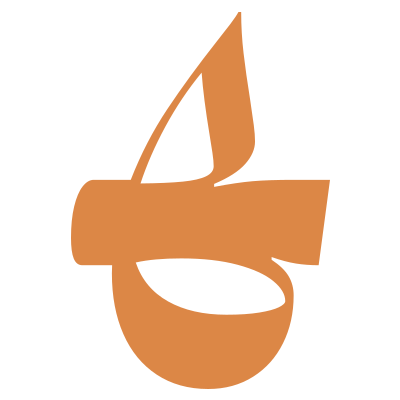
To add visual variety and enhance headline design, Rooyin includes alternate glyphs for selected characters, allowing for more expressive typography.
Rooyin Free version
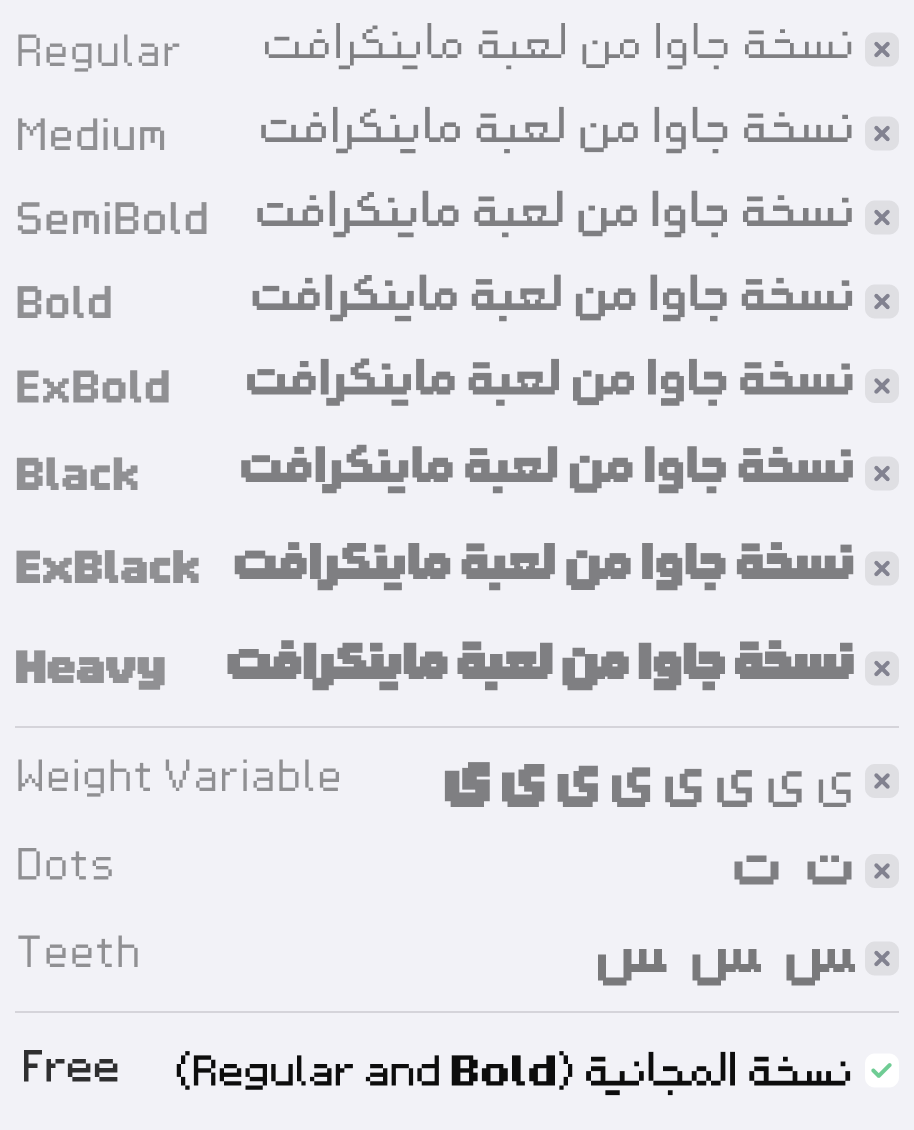
A special version called Rooyin Free has been designed and released as a free version of the typeface. In this mode, all glyphs are strictly pixel-perfect. Spacing including diacritics is also fully pixel-aligned, making it ideal for pixel art and low-resolution displays. Although this version is free, it is not recommended for use in all environments.
Rooyin Free retains most of the features available in the main version of the typeface.
In the Rooyin (Pro) font package:
Main Fonts: 8 weights available in TTF format, 2 Dots Style
Variable Font: 3 axes
Web Fonts: WOFF and WOFF2 formats
Free Version Fonts: 2 weights available in TTF format
Help: Guide file with instructions on alternate characters, ligatures, and aligning numerals.
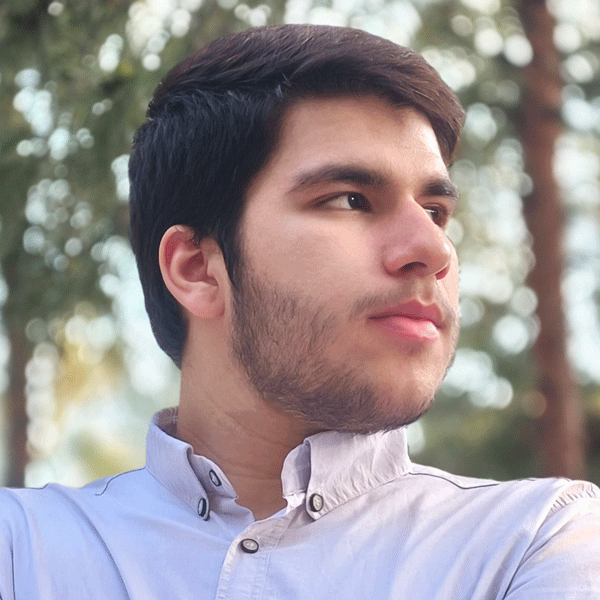


Mohammad Darvishi is a graphic designer and type designer. Born in 2006, he has been professionally engaged in Persian type design since 2022. In his early years, his focus was on graphic design, but gradually, with a deeper involvement in typeface design, he shaped his professional path. He is the designer of the free fonts Havosh, Rooyin, Sorena, and Ario, which reflect his approach to simplicity, readability, and the contemporary needs of Arabic typography.













Comments
Recommended Posts
Meeting with Karim Shahin, Designer of the Narengi Typeface
Nostalgic Arabic Fonts: Reviving the Beauty of the Past
Top Arabic Fonts for Ramadan and Eid Design
Arabic Fonts for Books & Magazines: From Print to Digital
Techno Typeface; A Look at the Design Process and Logic
What features does an ideal subtitle font have?
Selected Fonts of 2025 in the TDC Competition
13th GRANSHAN Type Design Competition